What Is the BSL Sign for "workbench"?
Discovering the visual language behind everyday objects enriches your communication, and understanding the BSL sign for workbench opens up a world of practical discussion. This foundational sign visually represents the sturdy, flat surface used for manual work, offering a clear and immediate connection to its function within British Sign Language. Mastering the British Sign Language workbench sign allows you to articulate concepts related to crafting, building, and repair with precision. Learning how to sign workbench in BSL is more than just memorising a gesture; it's about grasping how the Deaf community conveys an essential element of workshops and creative spaces.
How to Sign "workbench" in British Sign Language - Step-by-Step
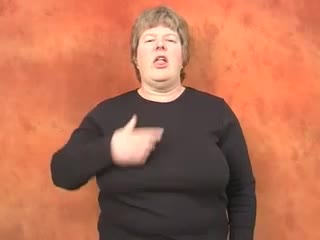
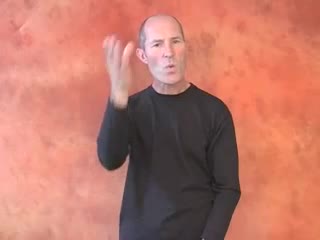
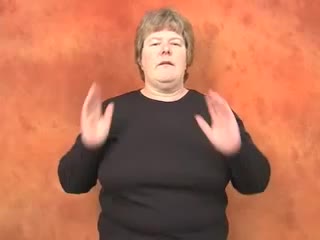
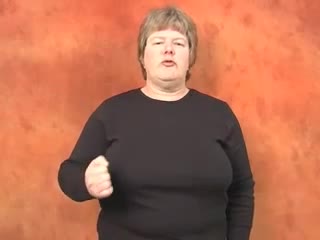
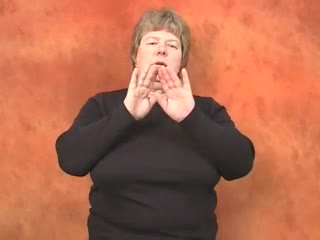
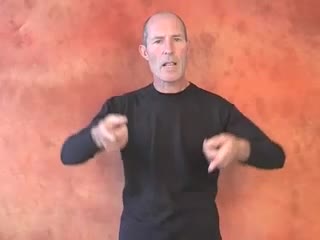
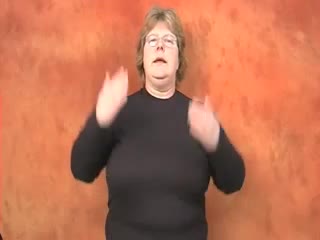
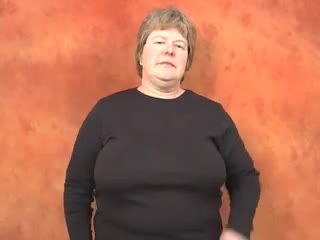
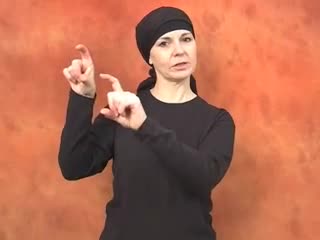
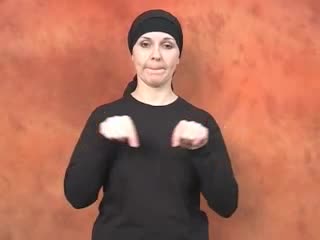
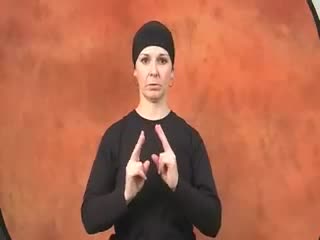
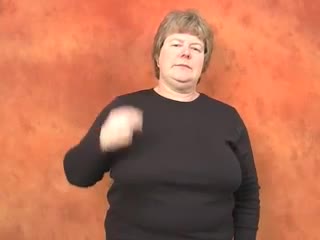
This sign effectively conveys the concept of a stable work surface through a series of precise hand movements, creating a clear visual analogue for the object.
Step 1: Handshape
Initiate this sign with both hands adopting a flat, open 'B' handshape. Ensure all four fingers on each hand are pressed together firmly, fully extended, and held straight. Your thumbs should be tucked neatly alongside the palms, resting gently against the side of your index fingers, maintaining a smooth, flat plane for both hands. This configuration establishes the primary shape representing a solid, level surface.
Step 2: Hand Placement and Location
Position both hands in front of your torso, roughly at waist height, with the fingertips pointing directly forward, away from your body. The hands should be held parallel to each other, separated by a comfortable distance – perhaps twelve to fifteen centimetres – maintaining a gap that suggests the width of a typical work surface. This neutral signing space allows for clear visibility and natural movement.
Step 3: Movement
From their initial parallel position, simultaneously move both hands outwards away from each other, in a controlled, straight line, for a short distance of about ten centimetres. The movement should be deliberate and horizontal, as if outlining the edges or extending the length of a flat surface. Complete this action with a single, smooth motion, avoiding any jerking or sudden stops.
Step 4: Facial Expression and Mouthing
The BSL sign for "workbench" typically requires a neutral facial expression, reflecting the objective nature of a noun. However, mouthing the English word "workbench" concurrently with the sign is linguistically crucial in BSL. This non-manual feature helps disambiguate the sign from others with similar manual components, clearly specifying the intended English equivalent and enhancing comprehension for both signers and viewers.
Step 5: Palm Orientation
Maintain a consistent palm-down orientation for both hands throughout the entire execution of the sign. The palms should face directly towards the floor from the start to the finish of the movement. This downward orientation is fundamental to conveying the flat, horizontal surface of a workbench, differentiating it from signs depicting vertical objects or those with different spatial properties.
"workbench" in BSL - Quick Reference Snapshot
- Handshape: Both hands flat, fingers extended and together, thumbs tucked.
- Location: In front of the torso, at waist height.
- Movement: Hands move horizontally outwards, away from each other.
- Facial Expression: Neutral, accompanied by mouthing "workbench".
- Dominant Hand: Both hands perform the movement simultaneously.
- Palm Orientation: Palms consistently face downwards.
5 Memorisation Tricks for the BSL Sign "workbench"
- Visualise your hands as the actual flat top of a workbench. Imagine you are visually drawing the expansive surface with your hands, extending them outwards as if showing someone the generous space available for projects. This direct iconic connection makes the sign's form instantly intuitive.
- Engage in a muscle-memory drill by repeatedly performing the outward sweeping motion with your flat hands, pretending to clear a space on a workbench. Focus on the sensation of your arms moving smoothly and horizontally, reinforcing the physical action associated with the sign's movement.
- Connect the sign directly to the word's meaning: a "bench" for "work." The flat handshape unequivocally represents the sturdy, level surface, while the outward movement signifies its breadth, solidifying the conceptual link between the visual representation and its purpose.
- To avoid confusing this with other flat-surface signs like 'table' or 'shelf', remember that 'workbench' often implies a specific, heavy-duty, fixed structure. The outward movement specifically emphasizes its solid, immovable nature, distinguishing it from a movable 'table' or a lighter 'shelf'.
- Integrate this sign into your daily thought process by mentally signing "workbench" whenever you encounter one in real life, or even when you see tools that would typically sit upon one. This constant, contextual reinforcement builds a strong association between the object and its BSL representation.
Real-Life Situations to Use the BSL Sign for "workbench"
- When describing a new project you're starting, you might sign, "NEW PROJECT START, WORKBENCH THERE," indicating where you'll be undertaking the task, utilising spatial grammar to point to its location.
- If someone asks where to place a tool, you could respond with a directive: "TOOL, WORKBENCH ON PLACE," using the BSL structure of object-location-verb to give a clear instruction.
- Discussing the organisation of a workshop, one might sign, "WORKSHOP TIDY, WORKBENCH CLEAR MUST," embedding the sign within a statement about necessary actions, with the non-manual feature of a serious facial expression reinforcing the "must."
- Asking about the availability of a specific work area could involve, "WORKBENCH HAVE YOU?" where the raised eyebrows and slight lean forward characteristic of BSL questions transform the statement into an inquiry.
Top 3 Mistakes Learners Make Signing "workbench" in BSL
- **Incorrect Handshape:** A common error involves learners curling their fingers slightly or separating them, resulting in a handshape that resembles a claw or a scoop rather than a flat surface. This happens because the exact straightness of the fingers isn't fully internalised. The precise correction is to consciously ensure all four fingers on each hand are pressed tightly together, fully extended, and held as flat as possible, mimicking a solid, unyielding surface.
- **Insufficient Outward Movement:** Beginners sometimes perform the movement too subtly, or they move their hands up and down instead of strictly horizontally. This mistake often stems from not fully grasping the sign's iconic representation of extending a surface. To rectify this, learners should focus on a clear, deliberate, and linear outward sweep from the initial position, ensuring the hands remain level and parallel throughout the entire motion.
- **Neglecting Mouthing:** Many new signers overlook the critical role of mouthing the English word "workbench" during the sign's execution, believing the manual component is sufficient. However, for many BSL nouns, mouthing is an integral part of the sign's identity, preventing ambiguity with visually similar signs. The correct approach is to consistently mouth "workbench" clearly and naturally as the hands perform their movement, integrating both manual and non-manual features seamlessly.
Fascinating Facts About the BSL Sign for "workbench"
- The BSL sign for "workbench" is highly iconic, meaning its form directly resembles the physical object it represents. The flat hands and outward motion visually mimic the expansive, flat surface of a work bench, making it relatively intuitive for new learners.
- Unlike some BSL signs that derive from older manual alphabet letters, this sign appears to be primarily motivated by its physical characteristics, with no direct historical link to a specific letter of the two-handed BSL alphabet.
- While the core handshape and movement are consistent across the BSL-using community, slight regional variations might exist in the exact length of the outward sweep or the initial distance between the hands, reflecting minor localised stylistic preferences.
- The sign's clear spatial representation highlights a fundamental aspect of BSL grammar, where the signing space is actively used to depict objects and their properties, rather than relying solely on abstract symbols.
- Its structure is a perfect example of how BSL efficiently conveys complex concepts; a multi-word English term like "workbench" is rendered into a single, cohesive, and easily understood sign.
"workbench" in Deaf Culture - Community and Identity
The concept of a workbench resonates deeply within Deaf culture, symbolising creativity, self-sufficiency, and practical skill. Many Deaf individuals have historically found fulfilling careers and hobbies in trades and crafts, often involving hands-on work where a workbench is central. Workshops and vocational training centres within the Deaf community frequently serve as vital hubs for learning, sharing skills, and fostering a sense of camaraderie and shared identity. The workbench, therefore, represents not just a piece of furniture, but a place of empowerment, where ideas take shape, problems are solved through ingenuity, and independence is forged. It embodies a spirit of making and doing, skills highly valued and celebrated across generations within the Deaf community, reinforcing a collective pride in tangible achievements.
Example Conversations Using "workbench" in BSL
English: My dad built a new workbench in the garage last weekend. - BSL structure: DAD NEW WORKBENCH GARAGE LAST WEEKEND BUILD FINISH.
English: Could you please move those tools off the workbench? - BSL structure: TOOLS WORKBENCH OFF MOVE PLEASE.
English: Is this workbench sturdy enough for heavy-duty projects? - BSL structure: THIS WORKBENCH STRONG ENOUGH HEAVY PROJECT? (with question facial expression)
English: We need to clear space on the workbench before we start the assembly. - BSL structure: ASSEMBLE START BEFORE, WORKBENCH SPACE CLEAR NEED.
English: He spends hours at his workbench, always tinkering with something. - BSL structure: HE WORKBENCH AT HOURS SPEND, ALWAYS SOMETHING TINKER (repeated movement).
Frequently Asked Questions: The BSL Sign for "workbench"
Are there regional variations for the BSL workbench sign?
While the core elements of the BSL sign for "workbench" – flat hands, palms down, outward movement – are widely recognised across the UK, minor regional nuances might appear. These differences are typically subtle, perhaps varying in the precise extent of the outward sweep or the initial spacing between the hands, but the sign's meaning remains consistently understood. Such slight variations are a natural part of BSL's organic evolution within different local Deaf communities.
How does the BSL sign for workbench differ from 'table' or 'desk'?
The BSL sign for "workbench" distinguishes itself from 'table' or 'desk' primarily through its specific movement and implied context. While 'table' often involves hands moving in a circular or outlining motion to depict a broader, perhaps less sturdy surface, 'workbench' uses a more direct, outward sweep, emphasizing its solid, fixed, and often heavier-duty nature. The handshape might be similar (flat hands), but the dynamic movement and the mouthing play a crucial role in clarifying the specific type of flat surface.
Is the BSL workbench sign easy for beginners to learn?
Yes, the BSL sign for "workbench" is generally considered quite accessible for beginners due to its high iconicity. The sign visually represents the object very clearly, making it intuitive to grasp the connection between the hand movements and the concept. Its straightforward handshape and movement pattern contribute to its ease of memorisation, providing a satisfying early success for new learners.
Can children use the BSL workbench sign effectively?
Absolutely, children can use the BSL sign for "workbench" effectively and often pick it up quickly because of its visual nature. Its clear representation of a flat surface is easily understood by young learners, making it a valuable addition to their vocabulary, especially when discussing playtime, crafts, or helping out with household tasks. Encouraging children to use this sign helps build their descriptive BSL skills.
How does the BSL sign for workbench compare to the American Sign Language equivalent?
When comparing the BSL sign for "workbench" to its counterpart in American Sign Language, one finds distinct differences in their manual execution, even though both aim to represent a flat work surface. The BSL sign uses two flat hands moving outwards, creating an expansive visual. In contrast, American Sign Language often depicts "workbench" by first signing 'WORK' and then a flat surface, or by using a specific two-hand shape that outlines the top and side of the bench, highlighting how different sign languages develop unique forms to convey the same concept.
Signs That Pair Naturally with "workbench" in BSL
- TOOL: Often found on a workbench, this sign (dominant 'T' hand tapping non-dominant palm) naturally follows when discussing items for work.
- BUILD: The act of construction frequently happens at a workbench, making this sign (hands stacking upwards) a logical companion for practical discussions.
- REPAIR: Mending objects is a common activity performed on a workbench, so this sign (hands twisting together) fits well into a related vocabulary cluster.
- WOOD: As a primary material for many workbench projects, the sign for 'wood' (dominant 'W' hand tapping non-dominant palm) shares a strong conceptual link.
- WORK: The overarching activity for which a workbench is used, the sign for 'work' (two 'F' hands tapping wrists) provides a fundamental connection.
- GARAGE/WORKSHOP: These locations are where one typically finds a workbench, making the signs for these spaces (often descriptive of the building) highly relevant.
Building Fluency: How to Practise "workbench" in BSL
Achieving fluency with the BSL sign for "workbench" requires dedicated practice and contextual application. Begin by using a mirror to meticulously refine your handshape, ensuring your fingers are consistently flat and together, and that your palm orientation remains perfectly downward throughout the movement. Integrate this sign into your daily BSL conversations by actively seeking opportunities to describe work areas or tools, reinforcing its natural usage. A powerful technique involves filming yourself signing "workbench" and then reviewing the footage critically, comparing it against expert demonstrations to identify and correct any subtle discrepancies in movement or hand placement. Whenever possible, engage with a Deaf conversation partner; their feedback on your signing technique and clarity will be invaluable for true improvement. Finally, implement spaced repetition by practising the sign for "workbench" for short bursts each day over several days, solidifying its place in your active BSL vocabulary.