What Is the BSL Sign for "wood oil"?
Ever wondered how to talk about preserving those beautiful wooden surfaces in British Sign Language? Here's how you'd express that specific substance. The BSL sign for wood oil isn't just a simple gesture; it vividly captures the essence of what this product does, blending the tactile sensation of wood with the smooth application of oil. Mastering this sign allows you to describe a common household item or a crucial material for crafts, connecting you directly to everyday conversations within the Deaf community. It's a fantastic example of BSL's descriptive power, making something quite abstract feel very concrete through movement and form.
How to Sign "wood oil" in British Sign Language - Step-by-Step
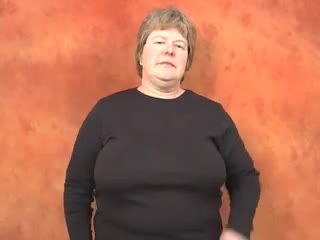
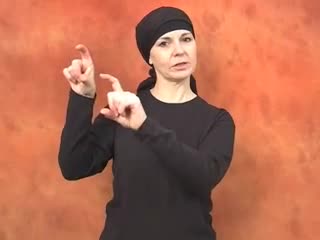
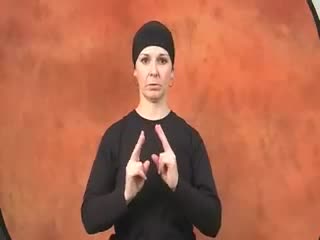
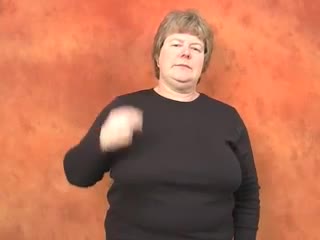
Let's break down the precise movements and forms that bring the concept of "wood oil" to life in BSL.
Step 1: Handshape
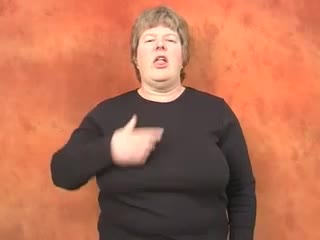
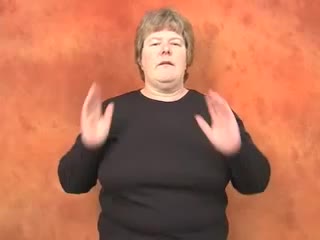
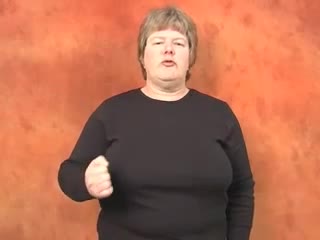
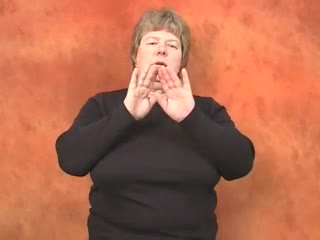
You'll begin with both hands. Your non-dominant hand should form a flat handshape, often referred to as a "flat B" or "5" handshape, with all fingers extended straight and pressed together, and your thumb tucked alongside your palm. Your dominant hand will also start in a flat handshape, mirroring your non-dominant hand. Then, for the second part of the sign, your dominant hand will transition into a slightly cupped handshape, where your fingers are gently curved and slightly spread, as if you're holding a small amount of liquid or a soft sponge.
Step 2: Hand Placement and Location
Position your non-dominant hand horizontally in front of your body, usually around your chest or waist height, with your palm facing slightly upwards or inwards. This hand acts as the surface of the "wood." Your dominant hand starts by resting flat against the back of your non-dominant hand. For the "oil" portion, your dominant hand will then move to your non-dominant palm, which remains in the same stable position, offering a clear area for the subsequent action.
Step 3: Movement
Initiate the sign by taking your dominant flat hand and gently rubbing it horizontally back and forth across the back of your non-dominant flat hand a couple of times. This motion visually represents the grain or texture of wood. Immediately following this, transition your dominant hand into that slightly cupped shape and move it to the palm of your non-dominant hand. Perform a small, soft circular rubbing motion on your non-dominant palm, as if you're gently spreading or applying a liquid, completing one or two small circles before relaxing your hand.
Step 4: Facial Expression and Mouthing
Non-manual features are absolutely vital in BSL, adding grammatical and emotional layers to your signs. For "wood oil," you'll want a neutral, perhaps slightly contemplative, facial expression, reflecting the action of careful application or observation. There's no specific strong emotion typically associated with this sign, so keeping your face relaxed is appropriate. Mouthing the English word "wood oil" silently or with a very slight articulation helps clarify the specific meaning, especially for signs that might have similar manual components, aiding comprehension for your conversational partner.
Step 5: Palm Orientation
Throughout the first part of the sign, your non-dominant palm faces slightly upwards or inwards, providing a stable surface. Your dominant hand's palm will initially face downwards as it rubs the back of your non-dominant hand. When you transition to the "oil" part, your dominant hand's palm will face downwards as it performs the circular rubbing motion on your non-dominant palm. This consistent downward orientation for the dominant hand reinforces the action of applying something onto a surface, clearly conveying the direction of the interaction.
"wood oil" in BSL - Quick Reference Snapshot
- Handshape: Non-dominant flat hand; Dominant flat hand then transitions to a slightly cupped hand.
- Location: Dominant hand rubs back of non-dominant hand, then rubs non-dominant palm.
- Movement: Horizontal rub on back of hand, followed by circular rub on palm.
- Facial Expression: Neutral, relaxed, possibly thoughtful; mouth "wood oil" softly.
- Dominant Hand: Performs both rubbing movements.
- Palm Orientation: Non-dominant palm slightly up/in; Dominant palm initially down, then down for circular rub.
5 Memorisation Tricks for the BSL Sign "wood oil"
- Visual Mnemonic: The Wood Grain & The Polish: Picture your non-dominant hand as a plank of wood. When your dominant hand rubs the back, visualise feeling the wood grain. Then, as your dominant hand cups and rubs your palm, imagine applying a thin layer of protective oil, making the surface shine. This two-part imagery strongly links the physical action to the item itself.
- Muscle-Memory Drill: Repetitive Application: Take a moment each day to practice the sign slowly, focusing on the smooth transition from the "wood" part to the "oil" part. Repeat the full sequence ten times, feeling the distinct sensations of rubbing the back of your hand and then your palm; this physical repetition helps cement the movement in your memory.
- Connection to Meaning: Iconic Representation: Think about the core purpose of wood oil: to treat and protect wood. The sign beautifully reflects this; the first part signifies the wood itself, and the second movement embodies the act of applying a liquid protectant. Understanding this iconic connection makes the sign much more intuitive and less arbitrary.
- Common-Confusion Tip: Not Just "Oil": Remember this sign isn't just for general "oil." If you just use the circular rubbing motion on your palm, people might think you mean cooking oil or just "rubbing." The crucial preceding movement on the back of your non-dominant hand is what specifies "wood," so always include both parts for clarity.
- Daily-Life Practice: Spot the Wood: Whenever you see a wooden table, a wooden floor, or a wooden piece of furniture in your home or out and about, mentally or physically practice the sign for "wood oil." This constant, real-world association will naturally reinforce the sign's meaning and help you recall it quickly in conversation.
Real-Life Situations to Use the BSL Sign for "wood oil"
You'll find yourself reaching for this sign in many practical contexts, from home improvement to art projects.
- Imagining you're asking a friend for advice: "English: Do you have any wood oil I could borrow? - BSL structure: YOU HAVE WOOD-OIL? I BORROW?" (Here, the question is marked by raised eyebrows and a forward lean, with the sign for "wood oil" fitting naturally into the object slot.)
- Explaining a task to someone: "English: I need to apply wood oil to this table. - BSL structure: THIS TABLE, I NEED WOOD-OIL APPLY." (This demonstrates a topic-comment structure, placing the object first, with the sign for "apply" often a simple spreading motion.)
- Describing a product in a shop: "English: This wood oil is very good for outdoor furniture. - BSL structure: THIS WOOD-OIL, OUTDOOR FURNITURE VERY GOOD." (You're using classifiers for "outdoor furniture" and the sign for "very good" to describe the oil's quality.)
- Discussing restoration with a craftsperson: "English: What kind of wood oil did you use for this antique? - BSL structure: THIS ANTIQUE, WOOD-OIL WHAT KIND YOU USE?" (The specific question word "what kind" comes at the end, as is common in BSL grammar, with the sign for "wood oil" preceding it.)
Top 3 Mistakes Learners Make Signing "wood oil" in BSL
- Omitting the "Wood" Component: Many beginners skip the initial rubbing on the back of the non-dominant hand, directly going into the circular motion on the palm. This makes the sign ambiguous, potentially meaning just "oil" or "rub." The correction is to always include that distinct horizontal back-and-forth rub across the back of the non-dominant hand first, clearly establishing the "wood" aspect before moving to the "oil" application.
- Incorrect Handshape for the "Oil" Part: Sometimes learners maintain a flat handshape or use a fist for the second part of the sign instead of the slightly cupped hand. This changes the visual meaning from applying a liquid to something like pushing or pressing. To fix this, ensure your dominant hand forms a gentle curve, with fingers slightly spread, truly mimicking the action of spreading or holding a small amount of liquid, which is essential for conveying "oil."
- Lack of Smooth Transition: Learners might perform the "wood" part, pause, and then do the "oil" part as two separate, disconnected signs. This breaks the flow and makes the compound meaning less clear. The correct approach involves a fluid, seamless transition from rubbing the back of the hand to moving the dominant hand to the palm and immediately starting the circular motion, ensuring the whole sign feels like one continuous, integrated action.
Fascinating Facts About the BSL Sign for "wood oil"
- The sign for "wood oil" exemplifies BSL's iconic nature, where the form of the sign directly reflects its meaning. You're literally showing the texture of wood and the application of oil in one fluid motion, making it highly intuitive.
- Unlike some signs with ancient roots, many signs for specific modern materials like "wood oil" have evolved more recently, often through consensus within the Deaf community as new products and concepts emerge. It's a testament to BSL's dynamic and evolving nature.
- Regional variations for specific terms like "wood oil" can exist within the BSL-using community, although the core iconic elements often remain consistent. Some areas might have a slightly different movement for "wood" or "oil" that still conveys the same general idea.
- The sequential nature of this sign, combining two distinct concepts ("wood" and "oil") into one compound meaning, is a common linguistic feature in BSL for creating new vocabulary. It's like building a new word from two existing ones.
- While not directly related to the manual alphabet, the handshapes used for "wood oil" are fundamental BSL handshapes, allowing for a clear and unambiguous representation that is easily distinguished from other signs.
"wood oil" in Deaf Culture - Community and Identity
Understanding a sign like "wood oil" isn't just about the mechanics; it's about connecting with the practicalities of Deaf life and communication. Whether discussing home renovations, carpentry, or simply maintaining cherished belongings, having a clear and established sign for such a specific item enables seamless conversation. It reflects how BSL constantly adapts to encompass all aspects of daily experience, ensuring Deaf individuals can fully participate in discussions about any topic. The shared vocabulary for these specific concepts builds a stronger sense of community, ensuring that everyone can communicate their needs, interests, and knowledge effectively without relying on fingerspelling every single time. It truly empowers independent and rich communication.
Example Conversations Using "wood oil" in BSL
English: Can you recommend a good wood oil for kitchen counters? - BSL structure: KITCHEN COUNTER, WOOD-OIL GOOD, YOU RECOMMEND?
English: We ran out of wood oil for the decking. - BSL structure: DECKING, WOOD-OIL FINISH, WE.
English: This antique cabinet needs a fresh coat of wood oil. - BSL structure: THIS ANTIQUE CABINET, NEED WOOD-OIL NEW COAT.
English: Is this wood oil safe for children's toys? - BSL structure: THIS WOOD-OIL, CHILDREN TOYS SAFE? (Facial expression for question is key here).
English: I prefer natural wood oil over synthetic sealants. - BSL structure: I PREFER WOOD-OIL NATURAL, OVER SEALANTS SYNTHETIC.
Frequently Asked Questions: The BSL Sign for "wood oil"
Is the BSL sign for "wood oil" easy for beginners to learn?
Yes, it's quite accessible for beginners because its iconic nature makes it very intuitive. The actions of rubbing wood and applying oil are directly represented, helping learners connect the movement to the meaning quickly. Focusing on the distinct two-part movement and the correct handshapes will make it easy to grasp.
Are there any regional variations for the BSL sign for "wood oil"?
While the core concept and iconic representation tend to be consistent across the BSL-using community, you might encounter minor stylistic differences. Some signers might use a slightly different "wood" sign or a variation in the "oil" application, but the overall message for "wood oil" typically remains clear. Always observe local signers if you're in a new area.
What signs are commonly confused with the BSL sign for "wood oil"?
A common point of confusion arises if you only perform the "oil" part of the sign without the initial "wood" component; that could be mistaken for general "oil" or simply "rub." Another potential mix-up could happen if the handshapes aren't precise, leading to it resembling signs for "clean" or "polish" if not performed with the correct cupped hand for the oil.
Can children easily learn the BSL sign for "wood oil"?
Absolutely! Children often pick up iconic signs like "wood oil" very quickly because they can easily visualise the actions. Encouraging them to practice by "oiling" their toy wooden blocks or furniture can make learning fun and reinforces the meaning through play. Visual and tactile learning is very effective for younger learners.
How can I modify the BSL sign for "wood oil" to show intensity or amount?
You can subtly modify the sign to convey intensity or amount. For a large quantity or extensive application, you might use a slightly larger or more emphatic circular rubbing motion for the "oil" part. If it's just a tiny amount, the movement could be smaller and more delicate. Non-manual features, like a slightly exaggerated mouthing of "lots" or "little," also play a role.
Signs That Pair Naturally with "wood oil" in BSL
- WOOD: This is a foundational sign, often represented by rubbing the back of one hand with the other, making it a natural companion to "wood oil" for broader discussions about materials.
- FURNITURE: When talking about items that need wood oil, the sign for "furniture" (often a sweeping movement indicating many items) frequently appears in the same context, helping to specify the object.
- CLEAN: Before applying wood oil, you often need to "clean" a surface (a wiping motion), making this a logical preceding action in conversation sequences.
- RESTORE: If you're using wood oil to bring an item back to its original condition, the sign for "restore" (often showing something coming back to life or being rebuilt) will naturally follow.
- SHINE: After applying wood oil, the desired effect is often a "shine" (a hand reflecting light), linking directly to the outcome of using the product.
- PAINT: While distinct, "paint" (brushing motion) and "wood oil" fall under the same umbrella of surface treatments, so discussions about one might lead to the other as alternative options.
Building Fluency: How to Practise "wood oil" in BSL
To truly embed the BSL sign for "wood oil" into your active vocabulary, consistent and varied practice is key. Start by using a mirror; observe your handshapes, movements, and facial expression closely, making sure each component is precise. Integrate the sign into short, imagined BSL sentences about household tasks or crafts every day, even if it's just a quick thought while you're looking at a wooden item. You might find it incredibly helpful to film yourself signing, then watch it back to spot areas for improvement, particularly the seamless flow from the "wood" part to the "oil" part. The ultimate step for fluency involves finding opportunities to use "wood oil" in actual conversations with Deaf individuals. Don't be afraid to try it out; real-world interaction solidifies your learning like nothing else, and remember, practice, spaced out over days, builds lasting memory.