What Is the BSL Sign for "volume"?
Are you ready to dive into one of BSL's most intuitive signs? Understanding how to sign "volume" in British Sign Language unlocks conversations about everything from your favourite music to the chatter in a busy room. This particular sign beautifully captures the essence of adjusting sound, making it instantly recognisable for many learners. You'll find the British Sign Language volume sign remarkably straightforward to learn, embodying a common action we all perform. Mastering this gesture means you're well on your way to discussing sound levels with greater clarity and connection within the Deaf community.
How to Sign "volume" in British Sign Language - Step-by-Step
Let's break down the sign for "volume" into manageable parts, ensuring you grasp each detail with confidence.
Step 1: Handshape
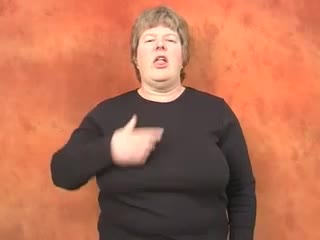
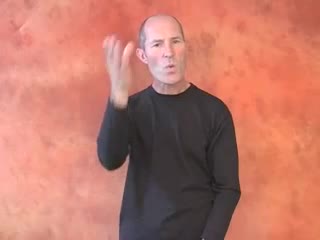
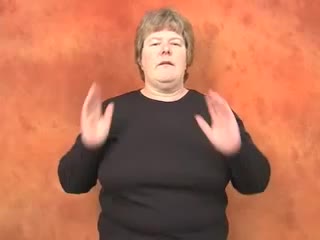
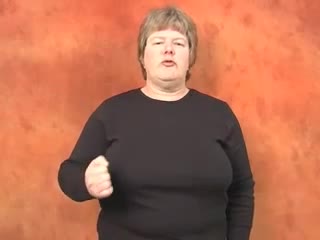
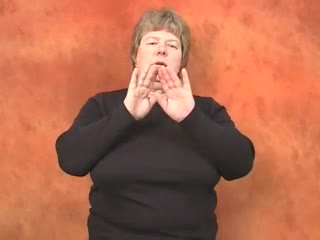
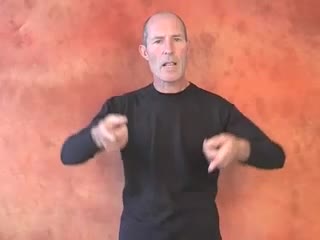
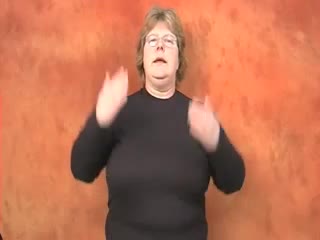
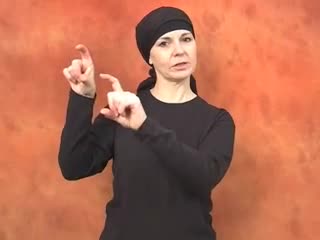
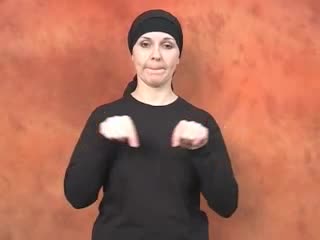
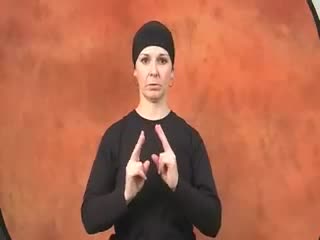
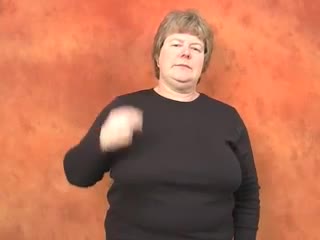
Begin by forming a closed fist with your dominant hand. Your thumb should be tucked snugly against the side of your index finger, essentially resting on the second knuckle. All other fingers remain tightly curled into your palm, keeping your knuckles facing forward, ready for action.
Step 2: Hand Placement and Location
Now, bring your dominant hand up towards your head. Position your fisted hand so it's quite close to your ear, specifically just behind or slightly below your earlobe. It should feel natural, as though you're preparing to interact with something near your ear.
Step 3: Movement
With your hand placed correctly, execute a gentle, repetitive twisting motion using your wrist. Imagine you're turning a small, imaginary dial or knob. The movement isn't large; it's subtle, a rotation back and forth or in small circles, performing this action two or three times. This continuous movement signifies the ongoing adjustment of sound.
Step 4: Facial Expression and Mouthing
Non-manual features are absolutely vital in British Sign Language, and "volume" is no exception. While a neutral facial expression is fine for simply stating "volume," your expression will naturally adapt to convey *how much* volume. For instance, raising your eyebrows slightly might indicate a question about volume, or a slight widening of the eyes could suggest "loud." You should also mouth the word "volume" as you sign, or alternatively, mouth "loud" or "quiet" if you're specifying the intensity, which adds clarity and reinforces your message.
Step 5: Palm Orientation
Throughout the signing of "volume," your palm generally faces inwards towards your head and ear. As your wrist performs its twisting movement, the palm orientation will naturally shift slightly, rotating a little in and out. Maintaining this inward-facing orientation helps to reinforce the concept of an action happening at your ear, directly relating to sound reception.
"volume" in BSL - Quick Reference Snapshot
- Handshape: Dominant hand in a closed fist, thumb tucked against index finger.
- Location: Near the ear, slightly behind or below the earlobe.
- Movement: Small, repetitive wrist rotation, like turning a dial.
- Facial Expression: Neutral, but adjustable for emphasis (e.g., questioning, loud, quiet).
- Dominant Hand: Always your dominant hand performs the sign.
- Palm Orientation: Generally faces inwards towards the head, rotating with movement.
5 Memorisation Tricks for the BSL Sign "volume"
Here are some clever ways to really embed the sign for "volume" into your BSL repertoire.
- **Visual Mnemonic: The Invisible Dial:** Picture yourself physically adjusting a small radio dial right next to your ear. This iconic image perfectly matches the handshape and movement, making the BSL sign for volume instantly recallable. Thinking of it as a physical interaction with sound control really helps solidify the motion.
- **Muscle-Memory Drill: Shadowing Your Stereo:** Whenever you actually adjust the volume on your radio, television, or phone, consciously perform the BSL sign alongside the physical action. This builds a strong muscle memory connection, associating the feeling of turning up or down with the specific BSL movement. You'll find your hand naturally wants to make the sign after just a few repetitions.
- **Meaning Association: Sound Control at Your Fingertips:** Remember that the sign directly represents controlling sound level. Connect the fisted hand by your ear to the idea of "my ear is receiving sound, and I'm actively managing its intensity." This direct link to the word's primary meaning for sound ensures you won't confuse it with other concepts.
- **Common-Confusion Tip: Not a "Hear" Sign:** A lot of new learners might initially confuse this with signs related to "hear" or "listen." The crucial distinction is the fisted handshape and the specific twisting motion; "hear" often involves an open hand or a different trajectory. Always remember the "dial" action for volume, which helps prevent misinterpretation.
- **Daily-Life Practice: Narrate Your World:** As you go about your day, mentally or physically sign "volume" whenever you encounter sounds. Whether it's the doorbell ringing loudly, the low hum of the fridge, or the varying tones of a conversation, practising this sign in context reinforces its usage. You'll start noticing "volume" everywhere!
Real-Life Situations to Use the BSL Sign for "volume"
Understanding how to use "volume" in practical scenarios will truly bring your BSL learning to life. Here are a few examples:
- Imagine you're watching television with a Deaf friend. You might sign "TV VOLUME HIGH?" (with a questioning facial expression) to ask if the sound is too loud for them, or "VOLUME DOWN" if you're making a suggestion.
- Perhaps you're at a gathering, and the background music is distracting. You could sign "MUSIC VOLUME TOO LOUD" to express your discomfort, using an appropriate facial expression to convey your feeling.
- If someone is speaking very softly, you could politely sign "YOUR VOICE VOLUME LOW" to indicate you're struggling to hear them, perhaps with an inquisitive or slightly concerned look.
- When discussing a new hearing aid or cochlear implant, a person might sign "MY VOLUME NEW HEARING AID GOOD" to describe their experience with the sound levels.
Top 3 Mistakes Learners Make Signing "volume" in BSL
Everyone makes errors when learning a new language, and that's perfectly normal! Being aware of common pitfalls with the sign for "volume" can help you avoid them.
- **Mistake 1: Incorrect Handshape:** Many beginners will inadvertently use an open hand or splayed fingers instead of a closed fist. This changes the entire meaning and can lead to confusion with other signs like "listen" or "sound." The correct form requires a tight fist, with your thumb pressed against your index finger's side, essential for portraying the "dial" action.
- **Mistake 2: Wrong Location or Large Movement:** Sometimes learners position the hand too far from the ear, perhaps near the shoulder or chest, or they make the twisting motion too broad and sweeping. The sign for "volume" is specific to the ear area, indicating sound input. The movement should be small, contained, and precise, resembling the subtle turn of a small knob, not a grand gesture.
- **Mistake 3: Neglecting Non-Manual Features:** A common oversight involves signing "volume" without any accompanying facial expression or mouthing. BSL is a visual-gestural language where non-manual features are integral to meaning and grammar. Omitting these elements can make your sign appear flat or ambiguous; remember to incorporate mouthing "volume" or expressing the intensity (e.g., "loud" or "quiet") through your face.
Fascinating Facts About the BSL Sign for "volume"
Delving into the nuances of a sign reveals so much about British Sign Language itself. Here are some intriguing insights regarding "volume."
- This sign for "volume" is a wonderfully iconic sign, meaning its form directly mimics the action it represents. It visually captures the act of turning a control knob, which makes it highly intuitive and memorable for new learners.
- While the core sign for "sound volume" is widely understood across the BSL-using community, different BSL regions might have slight variations in the exact placement or the subtlety of the wrist movement. These minor regional differences are a rich part of BSL's linguistic tapestry.
- It's crucial to recognise that "volume" in BSL primarily refers to *sound intensity*. If you're talking about the "volume" of a book (like one of a series), or the "volume" of space (like capacity), entirely different BSL signs would be employed, demonstrating how BSL differentiates homonyms through distinct visual representations.
- The strength and speed of the twisting movement can inherently modify the meaning of the sign. A quick, energetic twist might imply a sudden increase in volume, while a slow, deliberate motion could suggest careful adjustment.
- This sign's reliance on the dominant hand near the ear highlights the importance of spatial grammar in BSL. The proximity to the ear spatially anchors the sign's meaning to the concept of hearing and sound perception, a common feature in many BSL signs related to sensory input.
"volume" in Deaf Culture - Community and Identity
The concept of "volume" holds a unique place within Deaf culture, often viewed through a lens different from hearing individuals. For many Deaf people, the experience of sound, or its absence, shapes their identity and how they interact with the world. While the BSL sign for "volume" directly relates to sound adjustment, it's often used in contexts that reflect a hearing person's experience of sound, or to communicate about sound in environments shared with hearing people. Conversations around "volume" might concern assistive technologies like hearing aids or cochlear implants, or managing sound levels for hearing friends and family in shared spaces. It's a pragmatic sign, bridging communication about a sensory experience that is often perceived differently but universally understood in its impact.
Example Conversations Using "volume" in BSL
Let's see "volume" in action with some example sentences, giving you a feel for its natural flow within BSL grammar.
English: Can you turn the volume up, please? - BSL structure: YOU VOLUME UP PLEASE?
English: The television volume is too loud. - BSL structure: TV VOLUME LOUD TOO-MUCH.
English: I prefer the volume to be low. - BSL structure: ME PREFER VOLUME LOW.
English: What volume setting do you usually have? - BSL structure: YOU VOLUME SETTING USUALLY WHAT?
English: Don't make the music volume so high. - BSL structure: MUSIC VOLUME HIGH NOT.
Frequently Asked Questions: The BSL Sign for "volume"
Is the BSL sign for volume the same across all regions of the UK?
While the core concept and iconic movement for the BSL sign "volume" are broadly understood across the UK, you might encounter very minor regional variations in the exact placement or the subtlety of the wrist rotation. These small differences are typical of spoken and signed languages, reflecting the rich diversity within British Sign Language. The fundamental meaning, however, remains consistent.
Are there any similar BSL signs I might confuse with "volume"?
Yes, learners sometimes initially confuse "volume" with signs for "hear" or "sound" due to their proximity to the ear. The key differentiator is the handshape (a closed fist for "volume") and the specific, repetitive twisting movement, which is distinct from the typically more open hand or different motion used for "hear" or "sound." Paying close attention to these details will prevent misinterpretations.
Is "volume" a suitable sign for BSL beginners to learn early on?
Absolutely! The sign for "volume" is an excellent sign for beginners. It's highly iconic, meaning it looks like what it means, which makes it easy to remember and relatively simple to execute. Its practical application in daily communication about sound levels also makes it a valuable early addition to any BSL learner's vocabulary.
How do BSL users differentiate between "sound volume" and other meanings of "volume," like book volume?
BSL employs entirely different signs for different meanings of "volume." The sign we're discussing is specifically for "sound volume." If you were referring to a "volume" of a book (as in, one part of a series), you would use a sign that indicates a book or a section. Similarly, the "volume" of space or capacity would have its own distinct BSL representation, showcasing BSL's precise way of distinguishing homonyms.
Can children easily learn the BSL sign for "volume"?
Children often pick up iconic signs like "volume" very quickly due to their visual and imitative nature. The action of turning a dial is something many children understand from interacting with toys or household items. Teaching them this sign can be a fun and practical way to introduce BSL, especially when discussing things like TV shows, music, or even their own voices.
Signs That Pair Naturally with "volume" in BSL
Building your vocabulary around thematic clusters helps you communicate more effectively. Here are some signs that naturally complement "volume" in British Sign Language:
- LOUD: This sign, often a sharp, outward movement from the ear, directly describes the intensity of high volume. Learning them together helps you discuss extreme sound levels.
- QUIET: Typically signed by bringing hands together or a hand down gently, this sign contrasts perfectly with "volume" and "loud," allowing for a full range of sound description.
- SOUND: Usually a more general sign indicating the presence of auditory input, it provides the broader category that "volume" then modifies or describes.
- MUSIC: When discussing the volume of specific auditory content, "music" is a perfect companion, letting you ask, "MUSIC VOLUME UP?"
- TV: Similar to "music," signing "TV" then "volume" allows you to specifically refer to the sound level of a television programme.
- HEAR: While distinct, understanding "hear" helps in context, as "volume" often relates to someone's ability or desire to hear something.
Building Fluency: How to Practise "volume" in BSL
Becoming truly fluent in BSL, even with a single sign like "volume," involves consistent, thoughtful practice. First, stand in front of a mirror and watch yourself sign "volume." Pay close attention to your handshape, placement, and the subtlety of your wrist movement, making sure it's precise and consistent. Then, try integrating "volume" into short, simple BSL sentences throughout your day; don't just sign the word in isolation, use it in context. Grab your phone and record yourself signing, then play it back; this allows you to catch any areas needing refinement that you might miss in the moment. The ultimate step is to find opportunities to practise with Deaf individuals or experienced BSL signers; their feedback is invaluable for truly authentic communication. Remember, repetition spaced out over days and weeks is far more effective than cramming, ensuring that "volume" becomes a natural part of your BSL vocabulary.