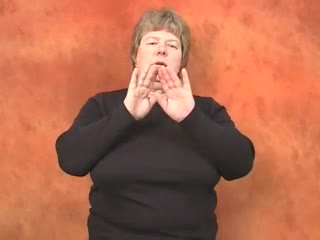
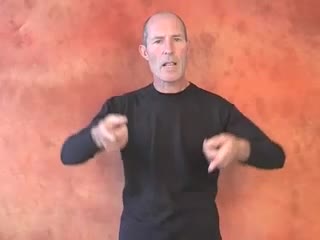
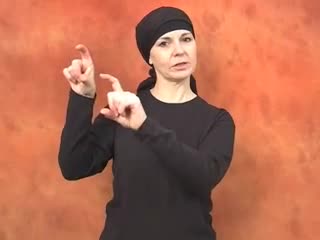
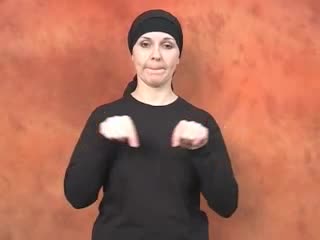
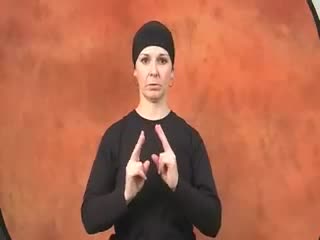
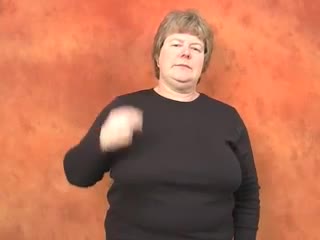
What Is the BSL Sign for "sting"?
Ever felt that sudden, sharp jolt when an insect gets a bit too close? That distinct sensation has a powerful visual counterpart in British Sign Language. Unlocking the BSL sign for sting lets you convey that very specific feeling, whether you're talking about a bee, a nettle, or even a metaphorical jab. Here at SignDeaf.com, we're diving deep into this particular sign, helping you grasp its nuances and integrate it smoothly into your signing vocabulary. You'll find mastering the British Sign Language sting sign incredibly useful for everyday conversations about nature, discomfort, or unexpected surprises.
How to Sign "sting" in British Sign Language - Step-by-Step
Let's get your hands moving and explore the precise actions involved in forming this vivid sign.
Step 1: Handshape
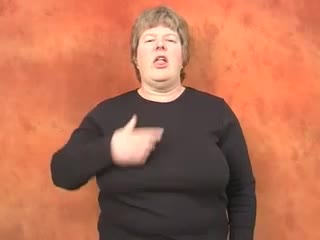
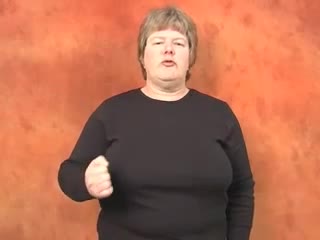
Begin by forming a '1' handshape with your dominant hand. Extend your index finger straight upward, keeping it firm and pointed. Your thumb should rest across your palm, lightly touching the base of your middle finger, while your remaining three fingers are curled tightly into your palm. This creates a sharp, precise point, much like the tip of an insect's stinger or a sharp prick.
Step 2: Hand Placement and Location
Position your dominant hand, maintaining that '1' handshape, in a neutral signing space directly in front of your chest. Alternatively, if you're describing a specific location on your body where a sting occurred, you'd direct the sign towards that spot. For instance, if you were stung on the arm, you'd bring your dominant hand to your non-dominant arm. When conveying the general noun "a sting," the neutral space in front of your upper torso works perfectly.
Step 3: Movement
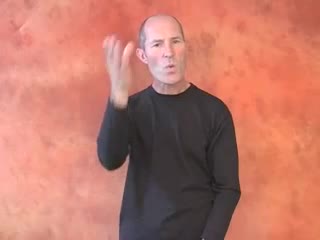
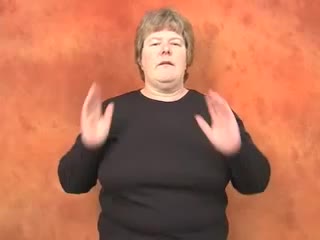
Execute a single, quick, and sharp jabbing motion with your extended index finger. Your hand should move forward slightly, as if poking an invisible surface, before immediately retracting back to its starting position. This movement is decisive and brief, mimicking the sudden, fleeting nature of a sting. There's no lingering or repetition for the noun form of this sign; it's a singular, impactful action.
Step 4: Facial Expression and Mouthing
Non-manual features are absolutely crucial for giving this sign its full meaning. When you sign "sting," you'll want to accompany it with a subtle facial expression that conveys a sudden, brief discomfort or surprise. A slight wince, perhaps a quick furrow of the brow, or even a slight intake of breath can communicate the feeling effectively. Many signers also mouth the word "sting" or "ouch" silently, adding another layer of clarity and emphasis, particularly for hearing learners or those who are new to BSL.
Step 5: Palm Orientation
Throughout the movement, your palm will generally face downwards or slightly towards the area you're indicating. If you're signing in neutral space, your palm might face slightly towards the floor, or slightly inward towards your body, with your index finger pointing forward. This orientation helps reinforce the idea of something coming *down* or *into* a surface, giving the sign a more grounded and realistic feel. The direction your palm faces helps define the vector of the implied action, clearly showing where the "sting" is directed.
"sting" in BSL - Quick Reference Snapshot
- Handshape: Dominant hand forms a '1' (index finger extended, others curled).
- Location: Neutral space in front of the chest, or directly at the specific body part affected.
- Movement: A single, quick, sharp forward jab with the index finger, then immediate retraction.
- Facial Expression: Slight wince, furrowed brow, or subtle expression of discomfort.
- Dominant Hand: The hand performing the '1' handshape and jabbing motion.
- Palm Orientation: Generally faces downward or slightly inward, index finger pointing forward.
5 Memorisation Tricks for the BSL Sign "sting"
Here are some clever ways to really make the BSL sting sign stick in your memory.
- Visual Mnemonic: The Needle's Point. Picture your extended index finger as the sharp point of a needle or an insect's stinger. Imagine it making a quick, precise poke. This visual link directly connects the handshape and movement to the concept of a sting, making it easier to recall.
- Muscle-Memory Drill: The "Ouch!" Poke. Practice the quick jabbing motion by gently poking your non-dominant arm or a soft surface. Focus on the swift, singular action and the immediate retraction. This repetitive physical engagement helps build muscle memory, so your hand naturally forms the correct sign when you need it.
- Connection to Meaning: Sudden Discomfort. Think about the suddenness of a sting. It's not a prolonged pain, but a sharp, immediate shock. The sign's quick, single movement perfectly embodies this sudden onset, linking the physical act of signing to the emotional and physical experience of a sting.
- Common-Confusion Tip: Not "Point." While it uses a similar handshape to "point," remember that the BSL sign for sting has a unique, sharp, and brief jabbing movement, often accompanied by a wince. The sign for "point" is usually a more sustained direction or indication, lacking that sudden impact. Pay attention to the speed and facial expression to differentiate these.
- Daily-Life Practice: Bee Watch. Whenever you see a bee, wasp, or even a nettle in your daily life, pause for a moment and mentally (or physically, if appropriate) sign "sting." Associating the sign with real-world triggers helps solidify its place in your active vocabulary, making it second nature for future conversations.
Real-Life Situations to Use the BSL Sign for "sting"
Understanding the practical applications of this sign will significantly boost your fluency.
- Describing an Insect Encounter: Imagine you're out in the garden, and a friend asks why you suddenly recoiled. You could sign, "BEE, ME STING!" to quickly convey what happened, using the sign "sting" directly on the affected area of your body.
- Warning Someone About a Hazard: If you see a wasp nest nearby and want to alert someone, you might sign, "CAREFUL, WASP STING YOU," pointing to the nest, then signing "sting" with a warning facial expression. This uses spatial grammar to indicate potential harm.
- Discussing a Sharp Sensation: Perhaps you're talking about a plant with thorns or a very spicy chilli. You could sign, "PLANT HAS THORNS, VERY STING-LIKE FEELING," using the sign for "sting" to describe the sharp, pricking sensation, even if it's not an actual insect bite.
- Expressing Emotional Pain (Metaphorical): While primarily physical, the sign can sometimes be used metaphorically in context. If someone made a cutting remark, you might sign, "WORDS, THEY STING MY HEART," adapting the sign slightly to convey emotional impact rather than physical.
Top 3 Mistakes Learners Make Signing "sting" in BSL
It's completely normal to make a few errors when you're first learning, but knowing what to watch out for can speed up your progress.
- Overly Slow or Repeated Movement: A common mistake is signing "sting" with a slow, deliberate poke or repeating the jabbing motion several times. The correct sign requires a single, very quick, and decisive forward and back movement. Learners should focus on making the action sharp and immediate, mirroring the abruptness of a real sting.
- Incorrect Handshape or Finger Extension: Sometimes, learners might not curl their other fingers tightly enough or might let their thumb drift away from the palm, making the '1' handshape less precise. Ensure your index finger is firmly extended and isolated, creating that clear, sharp point crucial for the sign's integrity. Keeping those other fingers tucked away is key to clarity.
- Neglecting Facial Expression: Many beginners focus solely on the hand movements and forget that non-manual features are integral to BSL. Signing "sting" with a neutral face significantly diminishes its meaning and impact. Remember to add that subtle wince or expression of discomfort; it communicates the feeling just as much as your hand does.
Fascinating Facts About the BSL Sign for "sting"
Delving into the background of signs often reveals their rich linguistic and cultural layers.
- The BSL sign for sting is highly iconic, meaning its form directly resembles the action or object it represents. Your extended index finger physically embodies the sharp point of a stinger, and the jabbing motion clearly mimics the act of stinging itself.
- While the core handshape and movement are widely understood across the BSL-using community, you might observe subtle regional variations in the intensity or exact location of the sign. Some areas might perform it with a slightly stronger wince, others with a marginally different angle of the index finger, but the core meaning remains clear.
- This sign's direct visual motivation makes it relatively easy for new learners to grasp, as it doesn't rely on abstract concepts. It's an example of how BSL often uses visual representation to create vivid and immediately understandable vocabulary.
- The BSL sign for sting is distinct from signs for "prick" (like from a needle for an injection) or "poke," even though they might share similar handshapes. The context, specific movement, and accompanying non-manual features always differentiate these related concepts.
- Linguistically, the sign functions as a direct noun when referring to the act or result of a sting, but it can also be used somewhat verbally or adjectivally in BSL grammatical structures to describe something that 'stings' or 'is stinging,' showcasing its versatility within sentences.
"sting" in Deaf Culture - Community and Identity
The way we communicate about shared experiences, like a "sting," often highlights deeper connections within a community. In Deaf culture, signs like "sting" aren't just vocabulary; they're part of a shared visual language that strengthens bonds and facilitates rich storytelling. Imagine a group of Deaf friends at a picnic, and someone gets stung by a bee. The immediate, clear, and visually expressive sign for "sting," accompanied by a natural wince, instantly conveys the incident to everyone present, fostering shared empathy and quick understanding. This directness in BSL allows for vivid recounting of events, making conversations about outdoor adventures or minor mishaps incredibly engaging. It's a testament to how BSL allows for a rapid, clear, and universally understood exchange of information and emotion within the Deaf community, creating a sense of collective experience.
Example Conversations Using "sting" in BSL
Let's see how the BSL sign for sting fits into various practical sentences.
English: Oh no, a bee stung me! - BSL structure: OH-NO, BEE ME STING!
English: Did a wasp sting you? - BSL structure: WASP YOU STING? (question marker facial expression)
English: My arm still has the sting mark. - BSL structure: MY ARM STILL STING MARK THERE.
English: Be careful of that plant, it can sting. - BSL structure: CAREFUL THAT PLANT, IT CAN STING.
English: The pain of the nettle sting was sharp. - BSL structure: NETTLE STING PAIN SHARP.
Frequently Asked Questions: The BSL Sign for "sting"
People often have specific queries when learning new signs, so let's address some common ones.
Is there a specific regional variant for the BSL sign for sting?
Generally, the core sign for "sting" remains quite consistent across the British Sign Language community, using the '1' handshape and a sharp jabbing motion. While the intensity of the accompanying facial expression or the precise angle of the hand might subtly differ, the sign is widely recognisable. You'll find the fundamental visual representation of a sudden prick is universal within BSL.
Are there any similar signs I should be careful not to confuse with "sting"?
Absolutely, you'll want to avoid confusing "sting" with signs like "point" or "poke." While they all might use an extended index finger, "point" involves a more sustained direction, and "poke" might have a gentler or more exploratory movement. The BSL sign for "sting" is defined by its very quick, sharp, singular action and the accompanying wince, clearly distinguishing it from these related but different signs.
Is the sign for "sting" suitable for beginner BSL learners?
Yes, the BSL sign for sting is an excellent sign for beginners! Its iconic nature means it's visually logical and easy to remember. The clear handshape and movement make it straightforward to replicate, and it's a common concept that comes up in everyday conversation, providing plenty of opportunities for practice. Mastering this sign early on gives you a useful tool for describing common experiences.
Can children easily learn and use the BSL sign for sting?
Children pick up the BSL sign for sting very quickly because of its directness and visual clarity. Kids often have experiences with insects or minor scrapes, making the concept relatable and the sign meaningful. You'll find children naturally incorporate the appropriate facial expressions too, as they connect the sign to their own feelings of sudden discomfort.
How does the BSL sign for sting compare to other sign languages' equivalents?
Comparing signs across different sign languages is fascinating. While many sign languages will have iconic signs for "sting" due to the universal nature of the concept, the specific handshape, movement, and location will differ. For instance, another sign language might use a 'V' handshape or a different movement. The BSL sign for sting is unique to its linguistic system, though the underlying visual motivation is often shared globally.
Signs That Pair Naturally with "sting" in BSL
Building vocabulary effectively involves learning signs in clusters, understanding their relationships.
- BEE: This sign, often a flicking motion from the nose, is naturally linked to "sting" as bees are common sources of stings. Learning them together allows you to quickly express the agent of the sting.
- WASP: Similar to "bee" but often with a slightly different handshape or location (sometimes near the ear), "wasp" is another key insect to associate with the "sting" sign.
- PAIN: The sign for "pain" (often twisting hands together or pointing to an affected area with a grimace) is crucial for describing the aftermath of a sting. They share the concept of discomfort.
- NETTLES: These plants are well-known for their stinging sensation. Learning the sign for "nettles" (often a brushing motion on the arm) alongside "sting" helps you discuss plant-related discomfort.
- OUCH: A common interjection in BSL for sudden pain or surprise, often a quick open-and-close handshape. This sign is a natural emotional accompaniment to the sign for "sting."
- INSECT: The general sign for "insect" (often tapping fingers together or a wiggling motion) helps you categorise the source of the "sting" when the specific type isn't known or relevant.
Building Fluency: How to Practise "sting" in BSL
Regular and targeted practice is the secret to making any sign feel truly natural. Start by standing in front of a mirror, watching your dominant hand as you form the '1' handshape for "sting." Pay close attention to ensuring your index finger is isolated and your other fingers are tightly curled, then execute that quick, sharp jabbing motion. Don't forget to practice the wincing facial expression; it's a vital part of the sign's full impact. Try integrating "sting" into short, simple BSL sentences throughout your day, perhaps describing a fictional bug bite or a sharp sensation you encountered. If you can, film yourself signing it and review the footage; you'll notice subtle areas for improvement that you might miss otherwise. Most importantly, seek out opportunities to use this sign with a Deaf conversation partner; their feedback and context will be invaluable in solidifying your understanding and use of the BSL sign for sting. Keep practising, and you'll find it becomes a natural part of your BSL communication!