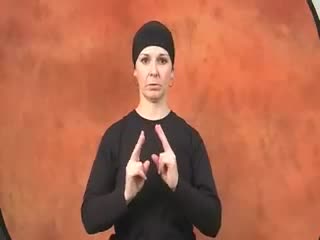
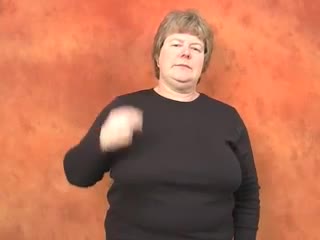
What Is the BSL Sign for "nippers"?
Thinking about those delightful little people who bring so much energy into our lives, you might often use an affectionate term like "nippers." When you want to convey this idea in British Sign Language, you'll discover a sign that beautifully captures the essence of small children. This particular BSL sign for nippers isn't just about the word itself; it represents a concept of smallness and often affection, central to how we communicate about young ones in the Deaf community. Learning the sign for nippers in British Sign Language unlocks another layer of expressive connection for anyone keen to converse about families or youth.
How to Sign "nippers" in British Sign Language - Step-by-Step
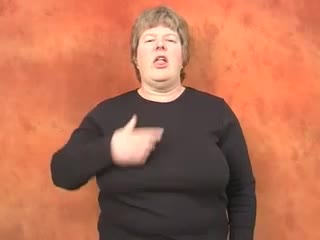
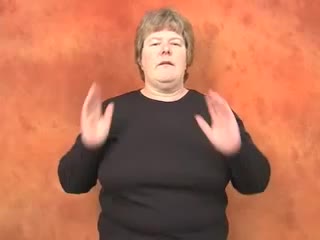
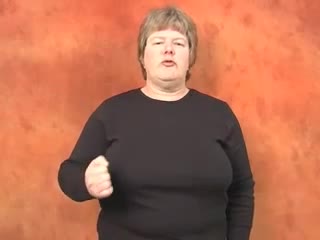
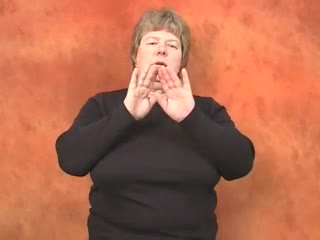
Mastering this sign involves a graceful coordination of your hand, placement, and expression, creating a vivid image of childhood.
Step 1: Handshape
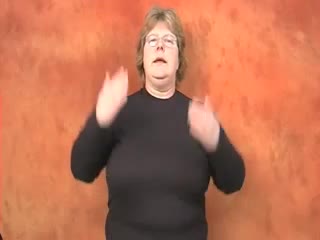
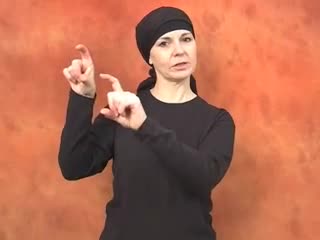
Begin by forming a 'B' handshape with your dominant hand. This means you'll have all four fingers held together straight, while your thumb rests across your palm, tucked beneath your fingers. Ensure your hand remains flat and firm, like a gentle paddle, with no fingers splayed or curled.
Step 2: Hand Placement and Location
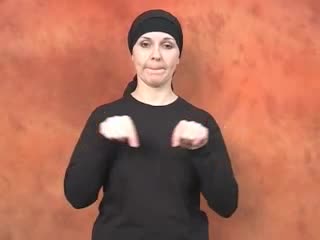
Position your dominant hand, maintaining that 'B' handshape, in front of your body at approximately waist height. Your palm should face downwards, generally pointing towards the floor. This spatial placement naturally indicates a lower stature, immediately suggesting something small or young.
Step 3: Movement
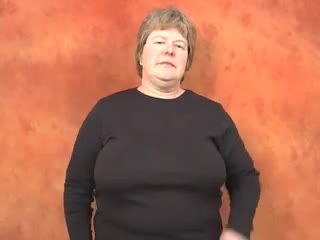
From this waist-level position, execute a short, gentle, and repeated downward patting motion. Imagine you're lightly tapping the air a couple of times, moving your hand down slightly then returning to the starting point, before repeating the small downward tap. The movement is subtle, not forceful, and typically involves two or three small, distinct pats.
Step 4: Facial Expression and Mouthing
A soft, warm smile often accompanies the sign for nippers, reflecting the affection usually associated with young children. Simultaneously, you should mouth the English word "nippers" clearly, without vocalisation. Non-manual features like this facial expression and mouthing are absolutely integral to BSL grammar, providing crucial context and emotional tone that clarifies the sign's meaning and intent.
Step 5: Palm Orientation
Throughout the entire execution of the sign, your palm consistently faces downwards. This orientation is significant because it reinforces the idea of indicating height or directing attention towards something low to the ground, reinforcing the concept of smallness intrinsic to "nippers."
"nippers" in BSL - Quick Reference Snapshot
- Handshape: Flat 'B' hand, fingers together, thumb tucked.
- Location: Dominant hand at waist height.
- Movement: Gentle, repeated small downward patting.
- Facial Expression: Soft, affectionate smile.
- Dominant Hand: Used throughout the sign.
- Palm Orientation: Consistently facing downwards.
5 Memorisation Tricks for the BSL Sign "nippers"
- **Visual Mnemonic:** Picture yourself gently patting the head of a small child who comes up to your waist. The flat handshape and the downward patting motion perfectly mimic this affectionate gesture, firmly embedding the sign in your visual memory.
- **Muscle-Memory Drill:** Stand in front of a mirror and practise making the sign while lowering your body slightly as if you are interacting with someone much shorter. This physical engagement will help your muscles remember the specific hand height and movement, making the sign feel more natural over time.
- **Meaning Connection:** Relate the sign's downward movement to the idea of "little ones" or "short people." The repeated patting implies plurality or a general reference to children, directly linking the physical sign to the meaning of nippers.
- **Common-Confusion Tip:** Be mindful not to make the movement too large or too firm; an exaggerated or harsh motion could alter the meaning or tone. Always remember the gentle, small patting indicates affection and small stature, distinguishing it from other similar flat-hand signs.
- **Daily-Life Practice:** When you see a group of children playing in a park or hear someone mention "the kids," mentally sign "nippers" to yourself. Integrating the sign into your everyday observations of the world reinforces its context and helps it become a natural part of your BSL vocabulary.
Real-Life Situations to Use the BSL Sign for "nippers"
- Imagine you're at a family gathering and someone asks about your relatives; you could sign, "MY BROTHER, HE HAS TWO NIPPERS" (MY BROTHER TWO NIPPERS HAVE). The sign fits perfectly here for referring to young children.
- Perhaps you're discussing childcare arrangements with a friend; you might sign, "DO YOU LIKE LOOK-AFTER NIPPERS?" (YOU NIPPERS LOOK-AFTER LIKE-QUESTION?). This frames a direct question about enjoying caring for children.
- If you're describing a busy day, you might mention, "TODAY, HOME NIPPERS ALL DAY CHAOS!" (TODAY HOME NIPPERS ALL-DAY CHAOS!). Here, "nippers" clearly indicates the source of the day's energetic activity.
- When talking about a new playground, you could sign, "NEW PARK, NIPPERS WILL LOVE!" (NEW PARK NIPPERS LOVE WILL). The sign effortlessly conveys the intended beneficiaries of the new facility.
Top 3 Mistakes Learners Make Signing "nippers" in BSL
- **Incorrect Handshape:** Many beginners mistakenly use a '5' handshape (fingers spread) or a 'C' handshape, rather than the flat 'B' handshape. This error changes the visual meaning significantly; always ensure your fingers are held together straight and flat, with your thumb tucked across your palm, to correctly form the 'B' hand for "nippers."
- **Exaggerated Movement:** Learners sometimes make the patting movement too large or too vigorous, or they move the hand horizontally instead of downwards. The correct sign involves small, gentle, repeated downward pats at waist height, directly conveying smallness and affection, so keep the motion restrained and precise.
- **Missing Facial Expression:** Forgetting to include the soft, affectionate smile is a common oversight. While the handshape and movement are visually important, the accompanying warm facial expression is crucial for conveying the positive and gentle connotation of "nippers," distinguishing it from other neutral references to groups of people.
Fascinating Facts About the BSL Sign for "nippers"
- The iconic nature of this sign, visually representing the height and often gentle interaction with small children, makes it quite intuitive for learners to grasp. Its form directly mirrors the concept of "little ones."
- Interestingly, while "nippers" itself is a somewhat informal term, its BSL equivalent is widely understood and used across the BSL-using community, transcending some of the regional linguistic variations you might find in spoken English. It's a stable and recognised sign.
- This sign stands apart from finger-spelling, which would spell out N-I-P-P-E-R-S; instead, it uses a rich, established BSL lexical sign, demonstrating the language's capacity for conceptual representation beyond individual letters.
- The repeated, small downward movement is a linguistic feature that often implies plurality or a collective group of individuals, making it highly efficient for signifying multiple children rather than just one.
- In some variations, particularly when referring to a very young child or baby, the sign might be performed slightly lower or with a gentler touch, highlighting the adaptability of BSL signs to convey nuances of meaning.
"nippers" in Deaf Culture - Community and Identity
Children hold a truly special place within the Deaf community, representing the future and the continuation of Deaf culture and language. The sign for "nippers" becomes a warm, inclusive way to refer to these young members, whether they are hearing children of Deaf parents (CODAs) or Deaf children themselves. When Deaf people refer to their "nippers," there's often an underlying sense of shared experience, perhaps of teaching BSL from an early age or navigating a hearing-dominant world together. It's a term of endearment that reflects the strong familial bonds and the collective commitment to nurturing the next generation, ensuring they grow up proud of their identity and fluent in their language. This sign isn't just about kids; it's about community, heritage, and hope.
Example Conversations Using "nippers" in BSL
English: Are your nippers coming to the party tonight? - BSL structure: YOUR NIPPERS PARTY TONIGHT COME-QUESTION?
English: My nippers absolutely love going to the park. - BSL structure: MY NIPPERS PARK GO LOVE STRONG.
English: We need to pick up the nippers from school soon. - BSL structure: NIPPERS SCHOOL PICK-UP SOON NEED.
English: The nippers are very energetic today, aren't they? - BSL structure: NIPPERS ENERGY TODAY MUCH, YES?
English: He's taking his nippers on a holiday next month. - BSL structure: HE NIPPERS HOLIDAY NEXT-MONTH TAKE.
Frequently Asked Questions: The BSL Sign for "nippers"
Is the BSL sign for nippers universally understood across the UK?
Yes, the sign for "nippers" is largely consistent and widely understood throughout the BSL-using regions of the UK. While minor stylistic differences or local nuances might exist for some signs, this particular sign remains quite stable, ensuring clear communication about children wherever British Sign Language is used. You'll find it a reliable part of your vocabulary.
Are there similar signs in BSL I should avoid confusing with nippers?
Absolutely; you'll want to avoid confusing "nippers" with signs like 'FLAT' or 'SMALL' if the movement or context is altered. For instance, the sign for "small" uses a 'C' handshape that closes, and "flat" typically involves a single, sustained flat hand. Always remember the specific 'B' handshape and the repeated downward patting for "nippers."
Is the BSL sign for nippers suitable for beginners?
Indeed, the BSL sign for "nippers" is an excellent sign for beginners! Its iconic nature, directly representing the concept of small children, makes it relatively easy to learn and remember. Mastering this sign early on gives you a practical term for everyday conversations.
Can I use the BSL sign for nippers when talking to actual children?
You certainly can use the BSL sign for "nippers" when communicating with children, especially if they are BSL users themselves. It’s a gentle and common sign that they will understand, and seeing you use it correctly will also reinforce their own sign language learning.
How does the BSL sign for nippers compare to the equivalent in another sign language?
The BSL sign for "nippers" is quite distinct from signs used in other sign languages for "children" or "kids." For instance, in American Sign Language (ASL), the sign for "children" typically involves patting the heads of two imaginary children with flat hands, a more direct depiction of individual children rather than BSL's more conceptual patting motion representing small stature.
Signs That Pair Naturally with "nippers" in BSL
- **FAMILY:** This sign naturally connects with "nippers" as children are core to many family units. Learning it helps you describe familial relationships comprehensively.
- **SCHOOL:** Nippers often attend school, so combining these signs allows you to discuss their education and daily routines. It builds a contextual vocabulary.
- **PLAY:** Children love to play, making this an obvious companion sign for talking about activities and recreation involving nippers. You'll use them together often.
- **BIRTHDAY:** Discussing birthdays is common when talking about children; pairing "nippers" with "birthday" enables you to share celebratory plans. It's a natural social link.
- **TEACH:** If you're talking about educating or guiding young ones, "teach" goes hand-in-hand with "nippers," allowing you to describe adult-child interactions.
- **LOVE:** Expressing affection for children is universal, so the sign for "love" is a wonderful and frequent pairing with "nippers" in many conversations.
Building Fluency: How to Practise "nippers" in BSL
To truly embed the BSL sign for "nippers" into your active vocabulary, dedicate some time to focused practice. Try standing in front of a mirror, not just to watch your handshape, but to observe your facial expression, ensuring that gentle smile genuinely conveys affection. Integrate the sign into your daily thought process; whenever you think of children or hear someone mention "kids," mentally rehearse the sign, picturing its exact movement and location. Consider filming yourself signing a short sentence incorporating "nippers," then review it critically, comparing your execution to the detailed steps provided here. As your confidence grows, seek out opportunities to use the sign in actual conversations with a Deaf person or within a BSL learning group, as this real-world application truly cements your fluency. Keep practising consistently over several days, and you'll find this lovely sign becoming a natural, expressive part of your BSL communication.