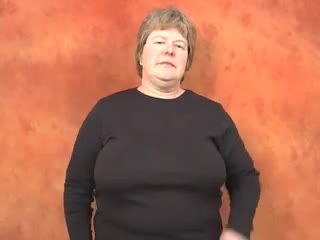
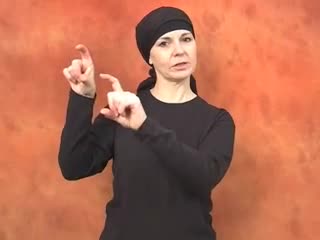
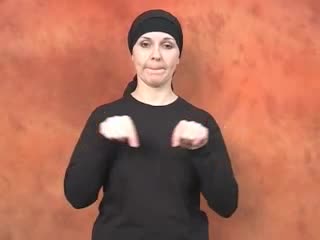
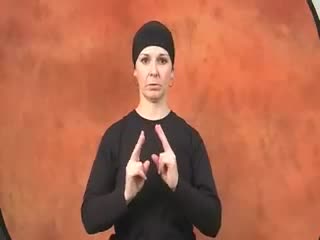
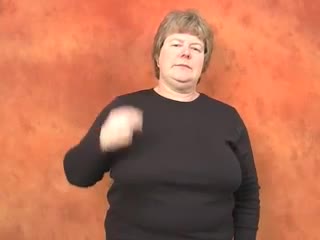
What Is the BSL Sign for "lining paper"?
Welcome to SignDeaf.com, your ultimate resource for mastering British Sign Language! Today, we're diving deep into the BSL sign for "lining paper," an essential term for anyone discussing home improvements, DIY projects, or the practicalities of decorating. Understanding the BSL sign for lining paper not only expands your vocabulary but also enables smoother, more detailed conversations within the Deaf community about everyday life. Whether you're Deaf yourself, a hearing person learning BSL, or simply curious about how to sign lining paper in BSL, this comprehensive guide will equip you with all the knowledge you need, ensuring you can confidently use the British Sign Language lining paper sign in any context.
How to Sign "lining paper" in British Sign Language - Step-by-Step Guide
Learning the BSL sign for "lining paper" is straightforward once you break it down into its core components. Follow these steps precisely to master this useful sign.
Step 1: Handshape
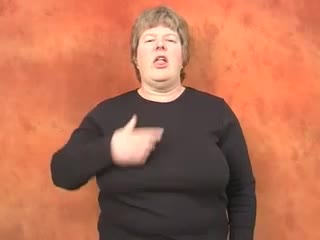
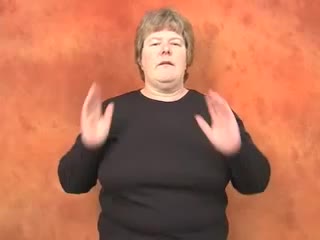
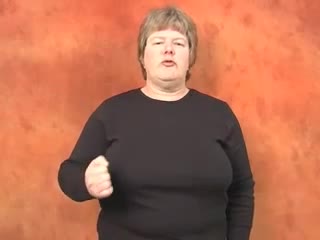
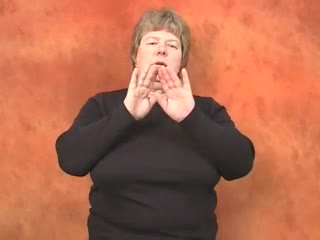
For the BSL sign for lining paper, your dominant hand will adopt a flat 'B' handshape. This means all your fingers are held together and straight, extending upwards, with your thumb tucked against your palm or alongside your index finger. Imagine your hand becoming a flat, rigid surface, much like a sheet of paper itself. Your non-dominant hand will also form a flat 'B' handshape, mirroring your dominant hand: all fingers together and straight, thumb tucked. This hand will serve as the 'wall' or surface upon which the lining paper is applied, providing a crucial visual context for the sign.
Step 2: Hand Position and Location
Begin by positioning your non-dominant hand in front of your chest, slightly to the side of your body's midline. The palm of your non-dominant hand should face outwards, away from your body, or slightly downwards, with your fingers pointing generally forward. This stationary hand represents the wall or surface where the lining paper will be applied. Your dominant hand, in its flat 'B' handshape, should start positioned just above and touching the palm of your non-dominant hand. Your dominant palm should face inwards, towards your non-dominant palm, with your dominant fingers pointing upwards or slightly forward, ready to initiate the 'smoothing' motion.
Step 3: Movement
The movement for the British Sign Language lining paper sign is both descriptive and iconic, mimicking the act of applying and smoothing paper onto a surface. From its starting position, your dominant hand, while maintaining contact with the non-dominant palm, moves smoothly downwards along the length of your non-dominant hand. This motion represents the action of unrolling or smoothing a piece of lining paper down a wall. After reaching the fingertips of your non-dominant hand, lift your dominant hand slightly and return it to the starting position above the non-dominant hand. Repeat this downward, smoothing motion once more. The movement should be deliberate and controlled, conveying the careful application of the paper.
Step 4: Non-Manual Features (Facial Expression & Mouthing)
Non-manual features (NMFs) are an absolutely vital grammatical component of BSL, just as important as handshapes and movements. For the BSL lining paper sign, a subtle but appropriate facial expression enhances clarity and meaning. Typically, you would adopt a neutral or slightly thoughtful expression. Crucially, you should mouth the word "lining paper" or simply "paper" as you perform the sign. This mouthing helps to clarify the specific item being referred to, especially for homophonous signs or for those who lip-read. A slight compression of the lips, indicating a flat or smooth surface, can also accompany the mouthing, subtly reinforcing the visual aspect of the sign.
Step 5: Palm Orientation
Throughout the sign for lining paper, the palm orientation remains consistent and plays a key role in conveying the visual meaning. Your non-dominant hand's palm should maintain its outward or slightly downward orientation, representing the flat surface of a wall. Your dominant hand's palm, which starts facing the non-dominant palm, will maintain this orientation as it moves downwards. This ensures that the 'flat sheet' of your dominant hand remains parallel to the 'wall' of your non-dominant hand, clearly depicting the application of lining paper.
Quick Reference: "lining paper" BSL Sign at a Glance
- Handshape: Both hands are flat 'B' handshapes (fingers together, straight, thumb tucked).
- Location: Non-dominant hand in front of chest (representing a wall), dominant hand starting above it.
- Movement: Dominant hand moves smoothly downwards along the non-dominant palm, repeating the motion.
- Facial Expression: Neutral or slightly thoughtful, accompanied by mouthing "lining paper" or "paper" (with slight lip compression).
- Dominant Hand: Used for the active 'smoothing' motion, while non-dominant hand provides the 'surface'.
5 Tips to Learn the BSL Sign for "lining paper" Quickly
Learning new BSL signs, including how to sign lining paper in BSL, can be made much easier with effective strategies. Here are five tips to help you master this sign quickly and retain it long-term.
- Visualise the Action: Connect the sign directly to the physical act of applying lining paper. Imagine holding a roll and smoothly unrolling and pressing it onto a wall. This iconic representation makes the BSL lining paper sign highly memorable; the flat hands represent the paper, and the downward motion is the application.
- Practice Handshapes Separately: Before combining the movement, spend a few minutes just forming the flat 'B' handshape with both hands. Ensure your fingers are straight and together, and your thumb is tucked. Perfecting the foundational handshapes makes the overall sign feel more natural and fluid, and helps avoid awkwardness when you add the movement.
- Use Mnemonics and Associations: Think of the non-dominant hand as the "wall" and the dominant hand as the "paper." The action is literally "papering the wall." This simple mental image reinforces the meaning and helps you recall the correct hand positions and movement for the lining paper sign language.
- Incorporate Mouthing from the Start: Don't just focus on the hands; integrate the mouthing of "lining paper" or "paper" from your very first practice session. Non-manual features are integral to BSL, and practising them together with the manual sign helps build muscle memory for both, making your communication clearer and more natural.
- Contextualise Your Practice: Instead of just signing "lining paper" in isolation, try to think of sentences where you would use it. For example, "I need to buy lining paper" or "The lining paper is very thick." This helps you understand the practical application of the British Sign Language lining paper and improves your overall BSL fluency by connecting signs to real-world scenarios.
When and How to Use the BSL Sign for "lining paper"
The BSL sign for "lining paper" is primarily used in contexts related to home decoration, DIY, construction, and materials. It's a practical sign that often comes up in conversations about renovating, furnishing, or maintaining a home. Here are a few scenarios:
- Discussing Home Renovation Projects: You might use this sign when explaining what materials are needed for a room refurbishment. For instance, "First, we need to put up the lining paper before painting."
- Shopping for Decorating Supplies: When at a hardware store or speaking with a decorator, you could use the sign to specifically request or inquire about lining paper. "Do you have any heavy-duty lining paper?"
- Giving Instructions or Advice: If you're explaining a decorating process to someone, the BSL sign for lining paper would be crucial. "Remember to let the lining paper dry completely before applying wallpaper."
- Comparing Materials: In a discussion about different wall preparations, you might use the sign to differentiate it from other types of wallpaper or wall treatments. "This is not just wallpaper; it’s lining paper for preparation."
Grammatically, the sign for lining paper typically functions as a noun within a BSL sentence structure. BSL often uses a Topic-Comment structure, so you might sign "ROOM WALL PREPARE, NEED
LINING PAPER." The sign itself remains consistent whether it's part of a question, a statement, or a negation; context and non-manual features (like raised eyebrows for a question) convey the sentence type.
Common Mistakes When Signing "lining paper" in BSL - And How to Fix Them
Learning any new language involves making mistakes, and BSL is no exception. When you learn lining paper BSL, there are a few common pitfalls that beginners often encounter. Recognising these and knowing how to correct them will significantly improve your signing accuracy and clarity.
- Incorrect Handshape:
- Error: Some learners might use a '5' handshape (fingers spread) or a 'C' handshape instead of the flat 'B' handshape. This can make the sign unclear, potentially looking like "sheet" or "cup."
- Why it happens: Inexperience with specific BSL handshapes or rushing the sign.
- Correction: Focus intensely on keeping all fingers together and straight, with the thumb tucked, for both the dominant and non-dominant hands. Practice the flat 'B' handshape in isolation until it feels natural. Remember, the flatness is key to representing the paper.
- Lack of Non-Dominant Hand Stability:
- Error: The non-dominant hand, which represents the wall, might move or change orientation during the sign, or it might not be present at all.
- Why it happens: Forgetting the role of the non-dominant hand in providing context or focusing too much on the dominant hand's movement.
- Correction: Ensure your non-dominant hand remains steady and firm in its 'wall' position throughout the entire sign. It acts as a stable reference point for the dominant hand's action. Think of it as the canvas for the paper.
- Incomplete or Jagged Movement:
- Error: The dominant hand's downward movement might be too short, too fast, or not smooth, making it look like a chop rather than a deliberate smoothing action.
- Why it happens: Rushing the sign or not fully understanding the iconic representation of applying paper.
- Correction: Emphasise a full, smooth, and controlled downward motion along the length of the non-dominant hand. Imagine physically smoothing out a wrinkle in paper. Repeat the motion once or twice to reinforce the continuous application. The smoothness is paramount for clear communication when you sign lining paper in BSL.
"lining paper" in BSL - Fun Facts and History
The BSL sign for "lining paper," while seemingly straightforward, carries with it interesting linguistic and cultural nuances that make learning it even more engaging.
- Iconic Representation: Many BSL signs are iconic, meaning they visually represent the object or action they describe. The BSL sign for lining paper is a prime example, directly mimicking the action of applying a flat sheet of material to a surface. This makes it intuitive and relatively easy for new learners to grasp.
- Evolution of DIY Signs: As DIY culture and home improvement trends have grown in the UK, so too has the need for specific signs related to these activities. Signs like "lining paper" reflect the evolving vocabulary of BSL to accommodate modern daily life and popular hobbies, ensuring the language remains dynamic and relevant.
- Regional Consistency (Mostly): While some BSL signs have significant regional variations across the UK (e.g., between London, Manchester, or Scotland), the sign for "lining paper" tends to be fairly consistent. Its iconic nature likely contributes to this stability, as the action of applying paper is universally understood. However, slight stylistic differences in the speed or repetition of the movement might exist.
- Connection to "Paper" and "Wall": The sign for lining paper naturally builds upon existing BSL concepts. The flat handshape is often used in signs related to 'paper' or 'sheet,' while the non-dominant hand acting as a surface is common in signs like 'wall' or 'table.' Understanding these foundational elements helps to contextualise and remember the specific sign for lining paper.
- Practicality in Deaf Households: For Deaf individuals and families, home renovation and decorating are as common as in hearing households. Having a clear and concise BSL sign for lining paper facilitates discussions with contractors, decorators, and family members, ensuring everyone is on the same page regarding materials and processes.
"lining paper" in Deaf Culture and BSL Community
In the vibrant Deaf culture of the UK, communication about everyday practicalities, such as home maintenance and decoration, is vital. The BSL sign for "lining paper" fits seamlessly into these conversations, embodying the practical, hands-on spirit often found within the community. Whether it's discussing plans with a Deaf decorator, sharing tips with friends about a recent DIY project, or simply explaining materials needed for a home refresh, this sign ensures clarity and understanding. It highlights how BSL, far from being a mere translation of English, provides a complete and nuanced way to interact with the world, reflecting shared experiences and common interests. The ability to articulate specific items like "lining paper" with precision enriches dialogue and strengthens the bonds within the BSL community, fostering a sense of shared reality and collective identity around the everyday aspects of life.
Example Sentences Using "lining paper" in BSL
Here are five practical example sentences demonstrating how to use the BSL sign for "lining paper" in context, along with notes on BSL grammatical structure.
English sentence: We need to buy some lining paper for the bedroom walls. - BSL structure: BEDROOM WALL, NEED BUY LINING PAPER.
English sentence: Have you put up the lining paper yet? - BSL structure: LINING PAPER ALREADY UP? (with raised eyebrows for question).
English sentence: The lining paper helps to make the wall smooth before painting. - BSL structure: LINING PAPER HELPS WALL SMOOTH BEFORE PAINT.
English sentence: This lining paper is very thick and good quality. - BSL structure: LINING PAPER THIS, VERY THICK, GOOD QUALITY.
English sentence: Don't forget to let the lining paper dry completely. - BSL structure: DON'T FORGET LINING PAPER DRY COMPLETE.
Frequently Asked Questions About the BSL Sign for "lining paper"
Is this sign the same everywhere in the UK?
While BSL does have regional variations for many signs, the sign for "lining paper" is largely consistent across the UK. Its iconic nature, directly representing the action of applying paper, makes it quite universally understood. However, slight differences in the emphasis or speed of the movement might be observed.
How is this sign different from similar signs?
The key differentiator for "lining paper" is the specific two-handed action of smoothing a flat surface onto another flat surface, often repeated. It differs from a general sign for "paper" (often a single flat hand moved downwards) or "wallpaper" (which might involve patterns or specific application motions). The non-dominant hand acting as the 'wall' is crucial for "lining paper."
Is this suitable for beginners?
Absolutely! The BSL sign for lining paper is an excellent sign for beginners. Its iconic and descriptive nature makes it relatively easy to learn and remember, especially if you visualise the action. Mastering this sign builds a strong foundation for understanding how BSL uses visual representation.
Can I use this sign with Deaf children?
Yes, this sign is perfectly suitable for use with Deaf children. It's a clear, concrete concept that can be easily demonstrated and understood. Using it in context, perhaps while playing with paper or talking about decorating, will help children grasp its meaning and incorporate it into their vocabulary.
Where can I practise this sign?
You can practice the BSL sign for lining paper in front of a mirror, by filming yourself, or ideally, with other BSL learners or Deaf individuals. Websites like SignDeaf.com provide resources, and local Deaf clubs or BSL classes offer invaluable opportunities for real-life practice and feedback. Don't be afraid to use it in conversation!
Related BSL Signs to Learn Alongside "lining paper"
To build a robust BSL vocabulary around home improvement and materials, learning the sign for "lining paper" alongside related terms is highly beneficial. This creates natural clusters of knowledge that aid memory and fluency.
- WALL: Often signed by placing a flat 'B' handshape vertically in front of you, moving it slightly from side to side to indicate a flat, broad surface. This is directly complementary as lining paper is applied to a wall.
- PAINT: Typically shown with a flat 'B' handshape moving up and down as if painting a surface, or a 'Y' handshape (thumb and pinky extended) mimicking a paint roller. Learning this helps discuss the next step after lining paper.
- BRUSH: Often signed with a 'F' handshape (index and thumb touching) moving as if holding and applying a brush. This is a common tool used with lining paper.
- DRY: Usually involves a '1' handshape (index finger extended) moving downwards from the corner of the mouth, indicating moisture evaporating. Essential for discussing the drying time of lining paper.
- PAPER: A general sign for paper, often a flat 'B' handshape sweeping downwards across the non-dominant palm, or a 'P' handshape tapping the non-dominant palm. This helps differentiate "lining paper" from generic paper.
- HOME/HOUSE: Signed by bringing fingertips of both hands together to form the shape of a roof. Many lining paper discussions happen in the context of one's home.
How to Practise the BSL Sign for "lining paper" Effectively
Consistent and thoughtful practice is key to mastering any BSL sign, including the BSL sign for lining paper. Start by practising in front of a mirror, paying close attention to your handshapes, movement, and non-manual features to ensure they match the description. Filming yourself can also provide objective feedback, allowing you to identify and correct any inconsistencies. The most effective way to solidify your learning is to practise with a Deaf person or an experienced BSL user who can provide immediate, constructive feedback and help you refine your technique. Don't just sign in isolation; try to integrate "lining paper" into simple sentences and real-life scenarios to build conversational fluency. Daily repetition, even for just a few minutes, will help embed the sign into your long-term memory, making you feel confident and natural when you communicate about lining paper in British Sign Language.