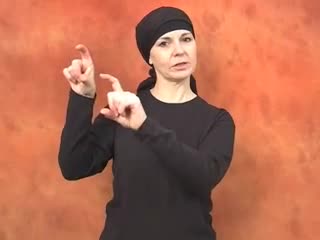
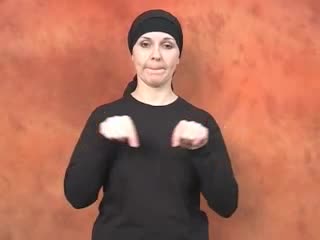
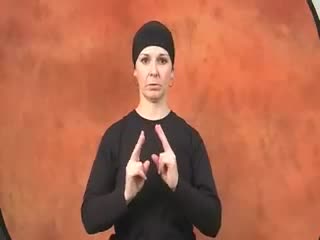
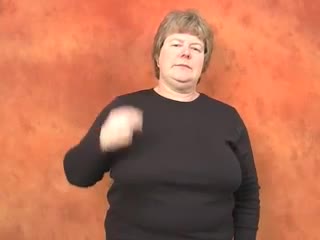
What Is the BSL Sign for "iron"?
You know, it's fascinating how everyday objects translate into the visual world of British Sign Language. When we talk about the BSL sign for "iron," we're usually referring to that indispensable household appliance used for smoothing creases from fabric, or the action of using it. This particular sign perfectly illustrates the iconic nature of much of our communication in BSL, where the movement often directly mirrors the concept it represents. Understanding this specific sign will unlock a whole new dimension of talking about domestic life and personal care within British Sign Language iron conversations. This sign plays a practical, clear role, allowing for direct communication about a common household task that many of us engage with regularly.
How to Sign "iron" in British Sign Language - Step-by-Step
Mastering the BSL sign for "iron" involves combining a specific handshape with a familiar, descriptive movement, making it quite intuitive once you break it down.
Step 1: Handshape
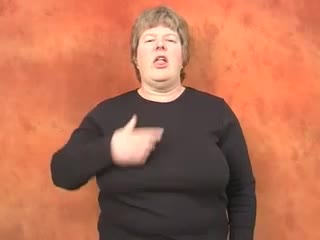
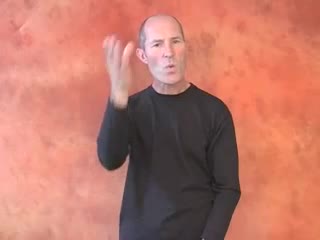
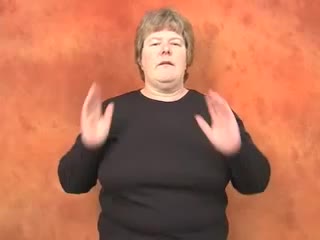
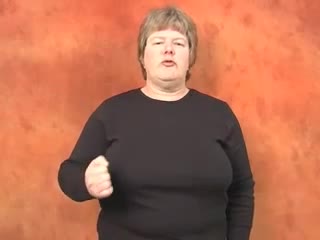
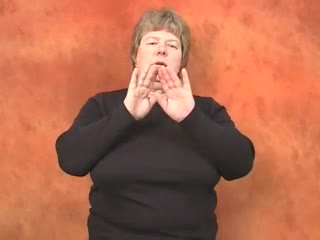
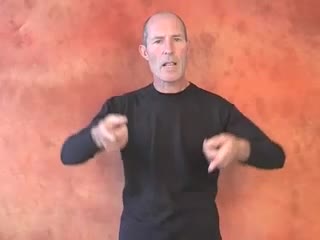
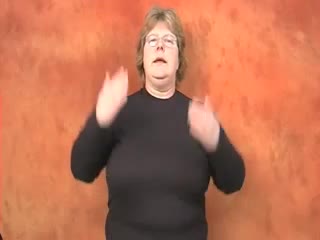
For this sign, you'll begin by forming a flattened 'A' or 'S' handshape with your dominant hand. Imagine you're holding the handle of an actual iron; your fingers should be together, extended forward but slightly curved, with your thumb tucked in alongside the palm or resting against your index finger. The important thing is that your hand creates a smooth, flat surface on the underside, ready to glide. This compact shape truly embodies the base of the appliance, ready for action.
Step 2: Hand Placement and Location
Position your dominant hand at around mid-chest or stomach level, slightly to the side of your body, as if you're hovering it just above an imaginary ironing board. Your non-dominant hand typically isn't involved in this particular sign, remaining relaxed at your side or in a neutral resting position. The signing space for "iron" remains comfortably within your personal communication zone, keeping the action visually contained and clear for your conversation partner.
Step 3: Movement
Now comes the truly descriptive part: perform a smooth, repeated back-and-forth or gently circular motion with your dominant hand across the imaginary surface. Think about how a real iron moves across a shirt or trousers; you're miming that exact action. The movement should be deliberate, covering a small to medium range, perhaps two or three sweeps in quick succession, replicating the process of pressing out wrinkles. This dynamic element is what truly brings the sign to life, making it instantly recognisable.
Step 4: Facial Expression and Mouthing
While the sign itself is quite clear, adding the correct non-manual features enhances its meaning and provides crucial grammatical context in BSL. For "iron" (the appliance or action), a neutral facial expression is generally appropriate. You might also mouth the English word "iron" simultaneously. This mouthing isn't just speaking; it's an integral linguistic component, providing additional clarity and ensuring that your communication is fully understood, particularly for concepts that might have homonyms in BSL or English.
Step 5: Palm Orientation
Maintain your dominant hand with its palm facing downwards throughout the entire signing process. This specific orientation is crucial because it visually represents the flat, heated surface of the iron pressing down onto clothing. If your palm were facing upwards or to the side, it would completely change the visual metaphor and potentially confuse the meaning, suggesting a different object or action entirely. The consistent downward palm orientation unequivocally communicates the pressing motion associated with ironing.
"iron" in BSL - Quick Reference Snapshot
- Handshape: Flattened 'A' or 'S' hand, fingers together, thumb tucked in.
- Location: Mid-chest to stomach level, slightly to dominant side.
- Movement: Repeated back-and-forth or gentle circular motion.
- Facial Expression: Neutral, often accompanied by mouthing "iron."
- Dominant Hand: Used alone for this sign.
- Palm Orientation: Palm consistently faces downwards.
5 Memorisation Tricks for the BSL Sign "iron"
- **Visual Mnemonic of the Appliance:** Picture your dominant hand *as* the iron itself. Imagine its flat base and the handle you're 'holding' as you form the handshape. This direct visual connection helps cement the hand's form and its purpose instantly in your mind.
- **Muscle-Memory "Ironing" Drill:** Find a smooth surface, like a tabletop, and practice the signing movement without actually touching it. Repeat the back-and-forth motion a dozen times, focusing on the smooth glide and consistent palm orientation. Your muscles will quickly learn and remember the specific action required.
- **Connect to the Action's Purpose:** Think about *why* you iron: to make clothes smooth. As you sign, visualise a crumpled shirt becoming perfectly flat under your 'ironing' hand. This mental image reinforces the sign's meaning by linking it to its practical outcome.
- **Distinguishing from Similar Actions:** Be mindful that other 'smoothing' or 'wiping' signs exist in BSL. The key distinction for "iron" lies in its specific, consistent handshape and the flat, pressing-downward palm orientation. If your hand opens or changes shape too much, you might be signing something else, so focus on maintaining that solid, flat 'iron' form.
- **Integrate it into Your Daily Routine:** Whenever you see an iron, or someone mentions ironing, pause for a moment and physically sign the word. You could even sign it silently to yourself while you're actually doing laundry. This real-world application helps move the sign from abstract concept to practical, everyday vocabulary.
Real-Life Situations to Use the BSL Sign for "iron"
Using the sign for "iron" effectively in conversation demonstrates your growing fluency and understanding of BSL's grammatical nuances. Here are a few ways you might incorporate it:
- Asking about household chores: You might sign, "YOU SHIRT IRON FINISH?" (English: "Have you finished ironing your shirt?") Here, the raised eyebrows indicate a yes/no question, and "FINISH" often comes after the action.
- Expressing a need: Perhaps you'd sign, "I NEED IRON" (English: "I need an iron" or "I need to iron"). This simple statement directly conveys your requirement, often with a slight nod for affirmation.
- Making a suggestion or observation: You could point to a creased item and sign, "THAT SHIRT IRON NEED" (English: "That shirt needs ironing"). In this context, the sign is used as a verb, with "NEED" specifying the action required.
- Discussing preparations for an event: Someone might sign, "TOMORROW PARTY, CLOTHES IRON MUST" (English: "Tomorrow is the party, I must iron my clothes"). Here, "MUST" adds emphasis to the necessity of the task.
Top 3 Mistakes Learners Make Signing "iron" in BSL
Learning a new sign language naturally comes with a few common pitfalls, but recognising them is the first step towards accurate and clear communication. Let's tackle the top three errors learners sometimes make with the BSL sign for "iron":
- **Incorrect Handshape or Too Open a Hand:** Many beginners start with a hand that's too open, maybe a flat 'B' hand, or with fingers splayed. This happens because they're thinking of the flat surface but not the 'holding' aspect. The precise correction involves ensuring your fingers are truly together and slightly curved, with the thumb tucked, creating that compact, solid 'base' of the iron.
- **Lack of Consistent Downward Palm Orientation:** Sometimes, learners let their palm rotate upwards or to the side during the movement, losing the essential "pressing" visual. This error often stems from focusing solely on the back-and-forth motion without considering the plane of action. To fix this, consciously keep your palm aimed towards the imaginary surface you're 'ironing' throughout the entire sweep, ensuring the downward pressure is consistently communicated.
- **Insufficient or Unclear Movement:** A common mistake is a movement that's either too small, too jerky, or not clearly a repeated back-and-forth action. This can make the sign ambiguous, perhaps looking like a general 'rubbing' or 'wiping' motion. The precise correction is to make the movement deliberate, smooth, and repetitive, clearly mimicking the distinctive glide of an iron across fabric, extending over a noticeable but appropriate range in your signing space.
Fascinating Facts About the BSL Sign for "iron"
Dive a little deeper into the BSL sign for "iron," and you'll find some truly engaging insights that go beyond just the steps of its formation.
- Its iconic nature means the sign's form directly depicts its meaning; it's not arbitrary like a spoken word. This makes it wonderfully intuitive and often easier for new learners to pick up and remember than more abstract signs.
- While the core sign for the appliance/action of ironing is widely understood across the BSL-using community, subtle regional variations might appear in the speed or exact arc of the movement, though the fundamental handshape and palm orientation usually remain consistent.
- The sign specifically refers to the act of using the appliance to smooth clothes, rather than the metal element itself. If you needed to discuss the chemical element 'iron' (Fe), you would likely fingerspell it or use a different sign related to metals or strength, highlighting BSL's precision.
- This sign's simplicity and directness make it a fantastic example of BSL's efficiency. You communicate both the noun (the iron) and the verb (to iron) with a single, clear, mimetic gesture, often clarified further by context or mouthing.
- The very physical act involved in the sign contributes to its memorability, engaging muscle memory and visual association simultaneously. This multi-sensory approach is a powerful aspect of how BSL facilitates learning and recall.
"iron" in Deaf Culture - Community and Identity
Within Deaf culture, clear and efficient communication about everyday life, including household tasks, fosters a strong sense of community and shared experience. The sign for "iron" seamlessly integrates into this fabric of daily interaction. It's not just about removing wrinkles; it's about preparing for work, for social gatherings, or simply maintaining a tidy home, all common experiences across the community. Being able to effortlessly discuss chores, share tips, or ask for help with practical matters like ironing strengthens bonds and reinforces the collective understanding of daily routines. This sign, like countless others for common objects and actions, serves as a direct, unambiguous way for Deaf individuals to manage their lives and connect over shared responsibilities, affirming their identity within a visually communicative world where clarity is paramount. It bridges the gap between individual tasks and communal living, making mundane discussions accessible and natural.
Example Conversations Using "iron" in BSL
Understanding how to place a sign into a flowing conversation is crucial for true BSL fluency. Let's look at some practical examples using "iron."
English: I need to iron my work shirt tonight. - BSL structure: TONIGHT, WORK SHIRT, I IRON NEED.
English: Do you have an iron I could borrow? - BSL structure: YOU HAVE IRON? I BORROW CAN?
English: The iron is too hot, be careful! - BSL structure: IRON TOO HOT, CAREFUL! (with a warning facial expression)
English: Don't forget to iron your trousers before the meeting. - BSL structure: BEFORE MEETING, TROUSERS IRON FORGET DON'T. (with a slight headshake on "DON'T")
English: This dress needs a good iron to look presentable. - BSL structure: THIS DRESS, PRESENTABLE LOOK, IRON NEED.
Frequently Asked Questions: The BSL Sign for "iron"
Here are some common questions learners often have when they're getting to grips with the BSL sign for "iron."
Are there regional variations for the BSL sign for "iron"?
While the core handshape, location, and movement for "iron" are quite consistent and widely understood across the UK, you might encounter very minor differences in the exact speed or repetition of the motion depending on the region. However, the fundamental iconic representation of the action remains clear and universally recognisable within British Sign Language.
What signs might I confuse with the BSL sign for "iron"?
Learners sometimes confuse "iron" with other signs involving a flat hand moving across a surface, such as "CLEAN" (wiping motion) or "SMOOTH" (general smoothing gesture). The key distinction for "iron" is its specific, compact handshape mimicking the appliance and the consistent, deliberate back-and-forth pressing motion, which is much more focused and less expansive than a general cleaning action.
Is the BSL sign for "iron" easy for beginners to learn?
Absolutely! The sign for "iron" is generally considered quite straightforward for beginners because it's highly iconic, meaning it visually resembles the action it describes. This direct connection between the form of the sign and its meaning makes it intuitive to grasp and easier to remember than many more abstract BSL signs.
How can I teach the BSL sign for "iron" to a child?
When teaching "iron" to a child, make it fun and interactive! Have them pretend to "iron" their own clothes or a doll's clothes while you demonstrate the sign clearly and slowly. Use a toy iron for context if you have one. Emphasise the back-and-forth movement and the flat handshape, making it a playful, imitative activity.
Does the BSL sign for "iron" differentiate between the noun (appliance) and the verb (action)?
In BSL, the single sign for "iron" typically functions for both the noun (the appliance) and the verb (the action of ironing), with context providing the necessary clarification. This is a common linguistic feature in BSL where one sign can cover related concepts, making communication efficient. Mouthing the English word "iron" can sometimes add extra clarity, especially in ambiguous situations.
Signs That Pair Naturally with "iron" in BSL
Building your vocabulary effectively means understanding how signs cluster together conceptually. Here are some signs that naturally complement "iron" in BSL:
- CLOTHES: Obviously, you'll need clothes to iron! This sign sets the context for the action, making it a perfect partner.
- SHIRT: A specific type of clothing often associated with ironing, this sign allows for more precise communication about the task.
- WASH: You typically wash clothes before you iron them, so this sign logically follows in a sequence of laundry tasks.
- DRY: After washing, clothes need to dry, which often precedes the ironing step, linking these domestic actions together.
- FOLD: Once clothes are ironed, they're often folded, completing the cycle of garment care.
- CHORE: "Iron" falls under the umbrella of household chores, so this sign can be used to generalise or categorise the activity.
Building Fluency: How to Practise "iron" in BSL
To truly embed the BSL sign for "iron" into your active vocabulary, consistent and varied practice is absolutely key. Try standing in front of a mirror and signing "iron" repeatedly, focusing intently on your handshape, movement, and ensuring your palm orientation remains perfectly flat and downwards. Integrate it into your daily BSL conversations by creating sentences around the concept of laundry, asking others if they need to iron or mentioning your own plans. A fantastic way to refine your technique is to film yourself signing; watching playback allows you to spot subtle nuances in your execution that you might miss in the moment, helping you align with native signers. Most importantly, seek out opportunities to practise with a Deaf conversation partner; their feedback is invaluable for genuine fluency, helping you understand contextual usage and correct any lingering habits. Keep practising regularly, even just for a few minutes each day, and you'll find "iron" becomes a natural, effortless part of your BSL communication.