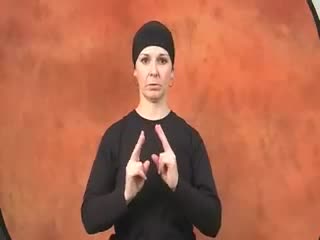
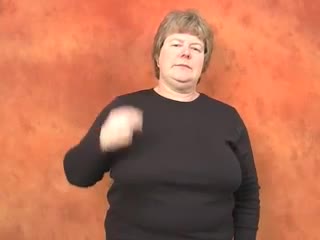
What Is the BSL Sign for "copper"?
Welcome to SignDeaf.com, your premier resource for mastering British Sign Language! Today, we're diving into the essential BSL sign for "copper." This versatile sign allows you to communicate about the reddish-brown metal, its distinct colour, and even the alloy often used in wiring and coins. Learning how to sign copper in BSL is a fantastic step towards building a richer vocabulary, whether you are Deaf and looking for a clear description or a hearing individual eager to connect with the Deaf community. By understanding the BSL sign for copper, you'll unlock new avenues for expressing descriptions, discussing materials, and engaging in everyday conversations with greater fluency and confidence in British Sign Language.
How to Sign "copper" in British Sign Language - Step-by-Step Guide
Learning the BSL copper sign is straightforward when broken down into its core components.
Step 1: Handshape
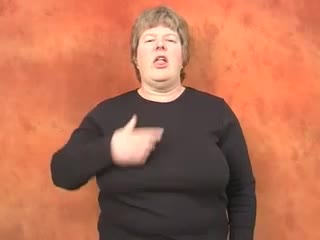
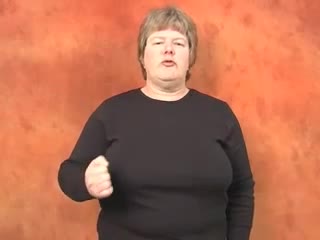
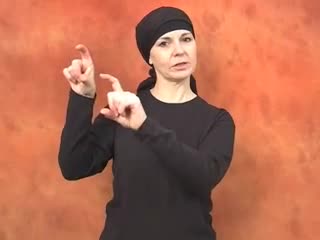
For the BSL sign for copper, your dominant hand will form a specific handshape. Begin by extending your index finger and thumb, curving them to create a clear 'C' shape. Imagine you're gently pinching a small, invisible sphere between your index finger and thumb. Your middle, ring, and pinky fingers should remain softly curled into your palm, resting comfortably. Ensure the 'C' shape is distinct and open enough to be clearly seen, as this handshape is foundational to many signs in British Sign Language.
Step 2: Hand Position and Location
Once your dominant hand is in the 'C' handshape, you will position it on your face. Bring your hand up so that the tips of your extended index finger and thumb lightly touch or are very close to your cheek, just below your eye and slightly forward. The 'C' shape should be facing slightly forward and down, with the opening of the 'C' generally pointing towards your mouth. This specific location near the cheek is important for distinguishing the BSL copper sign from other signs that might use a similar handshape elsewhere on the body.
Step 3: Movement
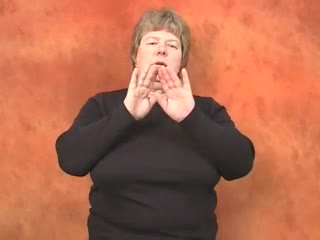
The movement for the BSL sign for copper is subtle but crucial. From its starting position at your cheek, gently move your hand slightly forward and downwards by a small amount – perhaps just a couple of inches. As you perform this forward and downward motion, simultaneously execute a small, gentle twist of your wrist, so your palm orientation shifts slightly. This combined movement and twist helps to convey the metallic quality or the specific reddish sheen associated with copper. The movement should be smooth and controlled, not abrupt.
Step 4: Non-Manual Features (Facial Expression & Mouthing)
Non-manual features are grammatically essential in British Sign Language and add significant meaning to your signs. When signing "copper," a neutral yet engaged facial expression is appropriate. Your eyebrows should be relaxed. Crucially, you should mouth the word "copper" clearly as you sign. Mouthing helps to clarify the specific English word being represented, especially for signs that might have multiple interpretations or for learners who are still building their BSL vocabulary. This mouthing pattern reinforces the meaning of the BSL copper sign and aids in comprehension for both Deaf and hearing individuals.
Step 5: Palm Orientation
At the beginning of the sign, when your hand is at your cheek, your palm will be oriented generally towards the side of your face, with the 'C' opening facing slightly forward and down. As you perform the slight forward and downward movement with the wrist twist, your palm orientation will subtly shift. It will move from facing slightly inwards towards your face to facing a little more outwards and downwards by the end of the movement. This small change in palm orientation is integral to the natural flow of the sign and helps to complete the visual representation of "copper" in British Sign Language.
Quick Reference: "copper" BSL Sign at a Glance
- Handshape: Dominant hand forms a 'C' shape (index finger and thumb extended and curved, other fingers curled).
- Location: Tips of 'C' handshape lightly touch or are close to the cheek, just below the eye.
- Movement: Small, gentle forward and downward motion, accompanied by a slight wrist twist.
- Facial Expression: Neutral, engaged expression with clear mouthing of "copper."
- Dominant Hand: Uses the dominant hand (right if right-handed, left if left-handed).
5 Tips to Learn the BSL Sign for "copper" Quickly
- Visual Connection & Mnemonics: Imagine the 'C' handshape representing the first letter of "copper." Then, think of the sign's location on the cheek as highlighting the reddish-brown colour often associated with copper, as if you're pointing out a hue on your skin. This visual and letter-based mnemonic can solidify the BSL sign for copper in your memory.
- Practice with Purpose: Don't just repeat the sign in isolation. Try to think of objects or contexts where copper is found (e.g., "copper wire," "copper coin") while you practice. This contextualisation helps embed the sign into meaningful scenarios, making it easier to recall how to sign copper in BSL when you need it in conversation.
- Focus on Non-Manual Features: Many beginners overlook mouthing and facial expression. Consciously practice mouthing "copper" clearly and maintaining a neutral, engaged expression as you sign. This integrates the non-manuals from the start, which is vital for correct and natural British Sign Language communication.
- Mirror Practice and Self-Correction: Stand in front of a mirror and sign "copper" repeatedly. Pay close attention to your handshape, position, movement, and non-manual features. Compare your execution to the detailed steps provided. Filming yourself can also provide valuable feedback, allowing you to refine your technique for the BSL copper sign.
- Build a Related Vocabulary Cluster: To truly learn copper BSL effectively, connect it with related signs. Practice "copper" alongside signs like "metal," "brown," "red," "coin," or "wire." Learning signs in thematic clusters strengthens your overall BSL vocabulary and helps you remember how signs relate to each other semantically.
When and How to Use the BSL Sign for "copper"
The BSL sign for copper is primarily used to refer to the metal itself, the colour, or objects made from it. It's a descriptive noun that can be integrated into various conversational contexts.
- Describing Materials: You might use the sign to specify the material of an object. For example, "This pipe is copper," or "The sculpture is made of copper."
- Referring to Colour: When describing a specific shade of reddish-brown, you can use the BSL copper sign to indicate that particular hue. For instance, "Her hair is a beautiful copper colour."
- Discussing Coins or Wiring: In discussions about currency or electrical components, the sign for copper can be used to specify the material. For example, "Old pennies used to be copper," or "We need copper wire for this project."
- Grammatical Considerations: In BSL, the sign typically functions as a noun or adjective. Its position in a sentence often follows BSL's topic-comment structure (e.g., "PIPE, COPPER," meaning "The pipe is copper"). There are no direct inflections on the sign itself for tense or number; these are conveyed through other BSL grammatical structures, such as time markers or numeral incorporation.
Common Mistakes When Signing "copper" in BSL - And How to Fix Them
-
Mistake: Incorrect Handshape. Many beginners might use a loose 'C' or extend too many fingers, confusing it with other signs.
Why it happens: Lack of precision in finger control or not fully understanding the exact shape.
Correction: Focus intensely on forming a tight, clear 'C' with only the index finger and thumb extended and curved. Practice holding this handshape perfectly before adding movement. Regularly check your handshape in a mirror to ensure accuracy for the BSL sign for copper.
-
Mistake: Wrong Location or No Movement. Placing the hand too far from the face, or signing with the hand static without the subtle forward/downward twist.
Why it happens: Overlooking the detailed instructions for placement and movement, or rushing the sign.
Correction: Ensure your 'C' handshape starts precisely at your cheek, just below the eye. Then, consciously execute the small, controlled forward-and-down motion coupled with the wrist twist. Remember, the movement is small but essential for the correct British Sign Language copper sign.
-
Mistake: Neglecting Non-Manual Features. Signing without mouthing "copper" or with an inappropriate facial expression.
Why it happens: Focusing solely on the hand movements and forgetting the critical role of non-manuals in BSL grammar and clarity.
Correction: Make mouthing "copper" a deliberate part of your practice from day one. Say the word clearly and naturally as you sign. Maintain a relaxed, neutral, and engaged facial expression, understanding that these elements are not optional but integral to fluent BSL communication.
"copper" in BSL - Fun Facts and History
- Iconic Connection: The BSL sign for copper, with its 'C' handshape near the cheek and slight movement, is often considered partially iconic. The 'C' directly references the English word "copper," while the placement and movement may evoke the specific colour or the way light reflects off metallic surfaces, making it a very descriptive sign.
- Regional Variations: While the 'C' handshape at the cheek is widely understood for the BSL copper sign across the UK, BSL is a vibrant language with regional variations. In some areas, you might encounter slight differences in the exact movement or location, or even an alternative sign that focuses more on the reddish-brown colour itself (e.g., signing "red" then "brown" or a specific colour sign). Always be open to learning local variations if you move between Deaf communities.
- Evolution of Signs: Many signs for materials and colours in BSL have evolved over time, sometimes influenced by their English counterparts or through iconic representation. The sign for copper likely developed to be clear and unambiguous, distinguishing it from other metals or colours, highlighting the importance of precision in how to sign copper in BSL.
- Manual Alphabet Link: The 'C' handshape used in the BSL copper sign is also the same handshape used for the letter 'C' in the British Sign Language manual alphabet (finger spelling). This connection can be a useful memory aid for learners, associating the sign directly with its initial letter, though it's important to remember that not all signs are initialised.
- Beyond the Metal: While "copper" primarily refers to the metal or colour, historically in UK slang, "copper" also refers to a police officer. It's crucial to note that the BSL sign described here is for the material/colour. The sign for "police" or "policeman" in BSL is distinct and typically involves a 'C' handshape at the chest or shoulder, or a 'P' handshape. This highlights the importance of context and distinct signs in British Sign Language.
"copper" in Deaf Culture and BSL Community
In Deaf culture and the BSL community, signs for everyday objects, materials, and colours like "copper" are fundamental for rich and expressive communication. While the sign itself might not carry deep cultural stories like signs for "Deaf" or "BSL," it enables Deaf individuals to participate fully in discussions about art, crafts, home renovations, and even the natural world. The ability to precisely describe a "copper kettle," "copper wiring," or a "copper sunset" contributes to the shared experience and understanding within the community. Learning the BSL sign for copper allows hearing learners to show respect for Deaf communication practices and participate more fully in conversations, fostering inclusion and breaking down communication barriers. It's a small but significant step in bridging worlds through the beauty of British Sign Language.
Example Sentences Using "copper" in BSL
English sentence: The wire is made of copper. - BSL structure: WIRE, COPPER. (Topic-comment structure, identifying the material of the wire.)
English sentence: She bought a beautiful copper kettle. - BSL structure: SHE BUY KETTLE, BEAUTIFUL, COPPER. (Describing the kettle's material and aesthetic, often signing "beautiful" before "copper" for emphasis.)
English sentence: What colour is that roof? It looks copper. - BSL structure: ROOF, COLOUR WHAT? LOOK COPPER. (Question followed by an observation, using "LOOK" to suggest similarity to copper.)
English sentence: I need some copper pipes for the plumbing. - BSL structure: I NEED PIPE, COPPER, FOR PLUMBING. (Stating a need, specifying the type of pipe required.)
English sentence: The artist uses a lot of copper in their sculptures. - BSL structure: ARTIST USE MUCH COPPER, THEIR SCULPTURES. (Explaining a preference or characteristic of an artist's work, emphasizing the quantity of copper used.)
Frequently Asked Questions About the BSL Sign for "copper"
Is this sign the same everywhere in the UK?
While the core elements of the BSL sign for copper (the 'C' handshape at the cheek) are widely recognised across the UK, BSL does have regional variations. You might find slight differences in the exact movement or a local alternative in some areas, but the described sign is a strong standard.
How is this sign different from similar signs?
The specific combination of the 'C' handshape, its precise location on the cheek, and the subtle forward-downward movement with a wrist twist are what differentiate the BSL copper sign. Other signs might use a 'C' handshape in a different location (e.g., "cheese" at the corner of the mouth, "police" at the chest) or a different handshape for a similar colour, making the details crucial.
Is this suitable for beginners?
Absolutely! The BSL sign for copper is an excellent sign for beginners to learn. It uses a clear handshape and a relatively simple movement, making it accessible. Mastering this sign helps build foundational skills in handshape precision and understanding the importance of non-manual features.
Can I use this sign with Deaf children?
Yes, this sign is perfectly suitable for use with Deaf children. It's a standard and clear sign for a common material and colour. Introducing the BSL sign for copper early on can enrich their vocabulary for describing the world around them, from art supplies to everyday objects.
Where can I practise this sign?
You can practise the BSL sign for copper in various ways! Mirror practice is highly effective for visual feedback. Filming yourself can also help you refine your technique. Ideally, seek opportunities to practise with a Deaf person or a BSL instructor for direct feedback and to use the sign in real conversational contexts, which is the best way to solidify your learning.
Related BSL Signs to Learn Alongside "copper"
Learning related signs in clusters can significantly boost your BSL fluency and understanding. Here are some signs that naturally complement the BSL sign for copper:
- METAL: Understanding "metal" (often a 'M' handshape moving across the non-dominant palm) provides a broader category for copper. Learning them together helps you classify materials.
- BROWN: Since copper is a reddish-brown colour, learning the sign for "brown" (often a 'B' handshape at the cheek, moving forward) is a natural next step. This helps you describe the colour aspect more generally.
- RED: Similarly, the sign for "red" (often an 'R' handshape moving down the lips) is closely associated with copper's hue. Knowing both "red" and "brown" allows for more nuanced colour descriptions.
- WIRE: The sign for "wire" (often two index fingers extended and curved, mimicking a coil or length of wire) is practical to learn with "copper," as copper is famously used for wiring.
- COIN: Learning the sign for "coin" (dominant hand 'C' handshape tapping the non-dominant palm, or mimicking flicking a coin) is useful because many coins are made of or appear copper-coloured.
- STATUE/SCULPTURE: If discussing copper in an artistic context, knowing the sign for "statue" or "sculpture" (often depicting shaping or forming) provides valuable contextual vocabulary.
How to Practise the BSL Sign for "copper" Effectively
To truly master the BSL sign for copper, consistent and varied practice is key. Start by regularly performing the sign in front of a mirror, paying meticulous attention to your handshape, precise location on the cheek, and the subtle, controlled movement with the wrist twist. Don't forget to consciously incorporate the mouthing of "copper" and a neutral facial expression from the very beginning. Filming yourself signing can provide an invaluable objective perspective, allowing you to identify and correct any discrepancies in your technique. Most importantly, seek opportunities to use the sign in real sentences and conversations, whether with a BSL tutor, a Deaf friend, or even by narrating your environment, describing objects you see that are copper-coloured or made of the metal. Daily repetition, even for just a few minutes, will build muscle memory and ensure that the British Sign Language copper sign becomes a natural and fluent part of your BSL vocabulary.