What This Sign Means in BSL
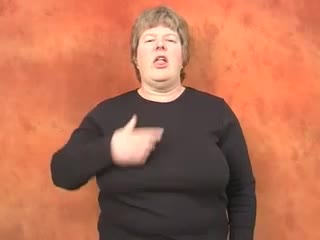
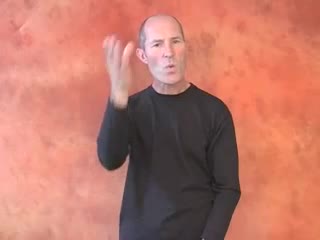
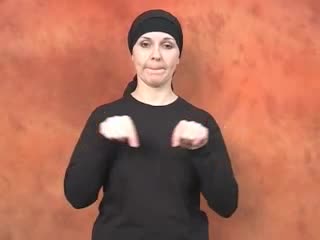
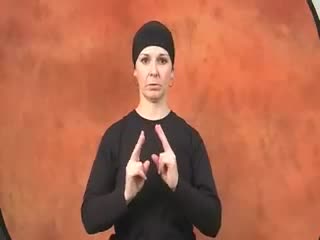
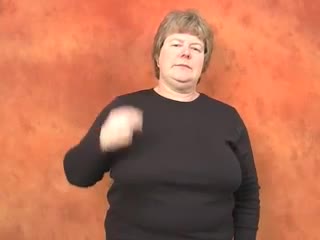
The BSL sign for construction engineer is a beautifully clear example of how British Sign Language often builds meaning through a combination of related concepts. When you perform this sign, you're literally showing two distinct ideas merging into one, creating a very specific professional identity. It’s not just any person who builds things, nor is it a generic engineer; it clearly points to the expert who designs, plans, and oversees the physical structures we live and work in.
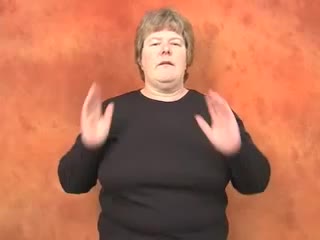
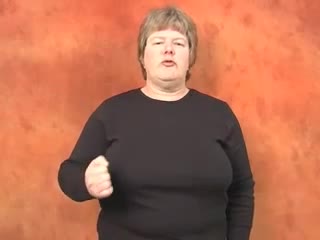
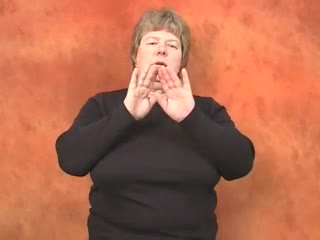
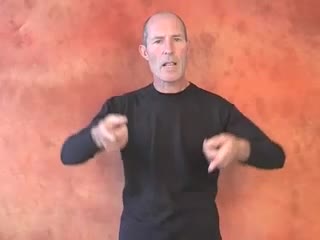
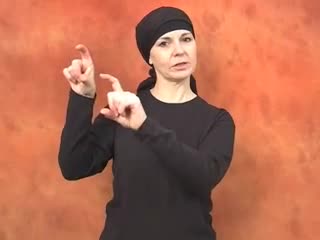
This sign is a compound, meaning it’s formed by combining two smaller, established signs: ‘BUILDING’ and ‘PERSON’. The first part, ‘BUILDING’, visually represents the creation of a structure, showing the incremental placing of materials or the raising of walls. This sets the scene, grounding the sign in the physical world of construction. Following this, the 'PERSON' element clearly identifies an individual in that specific professional role, transforming a general action into a precise noun representing a career.
Understanding this visual breakdown is key to appreciating the sign’s precision. It immediately conveys the essence of someone whose work is deeply tied to the physical environment and infrastructure. This directness makes the sign highly effective in conversation, painting a clear picture of the professional without needing extra explanation. It’s a testament to BSL's visual-spatial richness in defining complex roles.
When This Sign Feels Natural
You’ll find the BSL sign for construction engineer feels most natural when you're discussing specific professional roles within the building and infrastructure sectors. It's perfect for introductions, talking about someone's career, or describing who is responsible for a major construction project. Imagine introducing a friend at a social gathering, saying, "They are a construction engineer," or pointing out the expert behind a new city development.
This sign is well-suited for both formal and informal contexts across the UK Deaf community. Whether you're in a professional meeting discussing project teams or casually chatting about career paths, this sign holds its weight. It’s concise and widely understood, meaning you can confidently use it in most situations where clarity about this specific profession is needed.
However, it's useful to consider when you might *not* use this specific sign. If you’re talking about someone who simply builds things with their hands, like a general builder or a carpenter, this sign wouldn't be appropriate. Similarly, if you're referring to an engineer in a completely different field, like software or electrical engineering, you'd likely use a different sign or fingerspell. The 'construction' aspect is crucial here, making it a very precise label for a very precise role within the built environment.
What Learners Usually Miss
A common pitfall for learners is not clearly distinguishing the handshapes and movements between the 'BUILDING' and 'PERSON' components. For 'BUILDING', remember you're using B-hands (flat palms) with an alternating upward and downward motion, mimicking the stacking or rising of walls. Many learners rush this or use the wrong handshape, making it look less like construction and more like a generic 'up and down' movement. Ensure your palms are distinct and the alternating action is deliberate.
Following this, the 'PERSON' element must clearly transition to G-hands (index fingers extended) moving simultaneously downward. The mistake often lies in blurring this transition or not making the 'PERSON' part distinct enough. It shouldn't look like a continuation of the 'building' movement; it's a separate, albeit connected, action that signifies the individual. The rhythm is important: establish the 'BUILDING' clearly, then a distinct 'PERSON' sign, rather than a single fluid, undefined motion.
Another subtle point often missed is the overall clarity and conviction of the sign. Because it’s a compound, some learners might perform it tentatively, as if unsure of the connection. Practice making the two parts flow together confidently, yet distinctly. The 'PERSON' element should feel like the natural conclusion, solidifying the professional identity, rather than an afterthought. Also, pay attention to maintaining the sign's location around the mid-front body throughout; drifting too high or too low can make it less clear.
A Simple Way to Remember It
Thinking about the practical aspects of a construction engineer's job can really help cement this sign in your memory. Imagine them literally overseeing the building process, then stepping back to claim their professional identity. It’s a job where you shape the physical world around us, and the sign beautifully captures that essence.
- Visualise the 'Building': The alternating B-hands visually represent walls or structures being built up piece by piece. Think of bricks stacking or beams rising. This first part directly links to the core action of construction.
- Identify the 'Person': The G-hands moving downwards are a standard way to sign 'person' in BSL, indicating an individual. This distinct second part clearly identifies the who behind the construction, making it specific to a human professional.
- Connect Responsibility: Imagine the construction engineer being the person who ensures the 'building' is structurally sound and complete. The two parts together signify the individual responsible for bringing the building into existence.
Short Practice Situations
- My cousin works as a construction engineer on large infrastructure projects, designing new bridges.
- The company is looking for an experienced construction engineer to lead their latest skyscraper development.
- We met the construction engineer responsible for overseeing the safety and progress of the new hospital.
- Did you know that many construction engineers are involved in urban planning and sustainable development?
Signs to Learn Next
- BUILDING: This is a core component of "construction engineer," so understanding its nuances on its own will strengthen your ability to sign compound terms. It’s fundamental to all signs related to structures.
- ARCHITECT: Often working hand-in-hand with construction engineers, architects focus more on the aesthetic and functional design. Learning this sign helps differentiate roles within the design and build process.
- WORK / JOB: Understanding how to sign 'work' or 'job' will allow you to place "construction engineer" into broader conversational contexts, like "What is their job?" or "They work as a construction engineer."
- PLAN: Engineers are heavily involved in planning and strategising. Learning this sign will help you discuss the preparatory stages of any construction project, an essential part of an engineer's role.
- PROJECT: Construction engineers typically work on various 'projects'. Knowing this sign enables you to talk about the specific undertakings and initiatives they are involved with, giving more context to their profession.