What This Sign Means in BSL
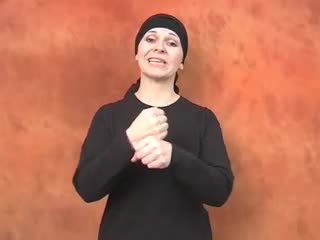
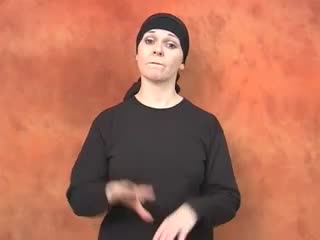
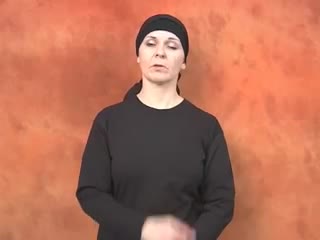
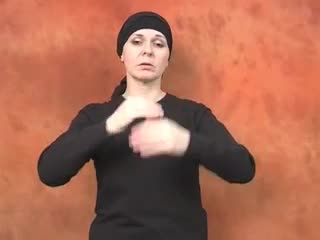
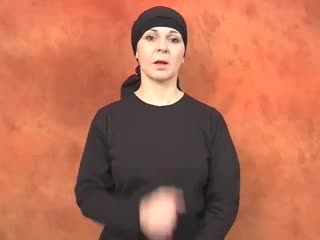
The BSL sign for hot is one of those wonderfully expressive signs that immediately makes sense even to someone new to BSL. It's a clear, adjective-class sign used to describe a sensation of heat, whether it's the weather, a drink, or an object you’ve just touched. You’re using an open 5-hand, fingers spread, with your thumb slightly bent, almost as if you’re about to blow on something to cool it down, or pushing away something uncomfortably warm.
This sign is direct and unambiguous. It vividly conveys the feeling of heat emanating or being expelled, starting near your mouth or chin and moving quickly outward. The visual metaphor is powerful: it's like you're blowing out a puff of hot air, or reacting to intense warmth that you want to push away. Mastering this sign means not just the handshape and movement, but also the subtle energy behind it – it’s a quick, almost reactive motion, rather than a slow, deliberate one.
When This Sign Feels Natural
This sign feels perfectly natural in countless everyday conversations. You’ll use it to describe the glorious summer weather, "The sun is so strong today, it’s really hot!" or perhaps to warn someone about a freshly brewed cup of tea, "Be careful, the mug is hot." It's a foundational sign, so it fits comfortably in both casual chats with friends and more formal exchanges, making it highly versatile. It’s a core vocabulary sign that you’ll find yourself reaching for constantly.
While the sign for "hot" primarily describes physical temperature, its natural usage extends to anything that literally feels warm to the touch or creates a sensation of heat. However, it’s important to remember that it doesn’t typically extend to metaphorical uses like a "hot topic" or someone being "hot" (attractive). For those concepts, BSL uses entirely different signs that capture the specific nuance. Stick to literal heat, and you’ll always be using this sign correctly and naturally.
What Learners Usually Miss
One of the most common things learners miss with the BSL sign for hot is the crucial role of facial expression. While the handshape and movement are correct, a flat or neutral face can dilute the sign's meaning. To truly convey "hot," your face needs to match the intensity. For a pleasant warmth, a relaxed, slightly smiling expression works. But for something uncomfortably, painfully hot, a slight grimace, raised eyebrows, or even a soft "ooh" face really sells the sensation and makes your signing much more natural and impactful.
Another subtle but vital element is the quickness of the movement. It’s not a slow, gentle push away. Think of it as a sudden, almost reflexive reaction to heat. Imagine touching a hot stove or taking a sip of scalding coffee – your reaction is instant. The hand moves quickly and decisively away from the mouth/chin area. Practising this sharp, rapid movement will significantly improve the authenticity of your sign.
Finally, pay close attention to the starting location and direction. The sign begins quite close to the mouth or chin, not directly touching but certainly in that proximity, and moves directly forward and outward. Sometimes learners start too far away, or move the hand in an arc rather than a direct line. Keeping it precise – a short, quick, outward movement from the mouth/chin region – ensures clarity and accuracy.
A Simple Way to Remember It
Think of the sign for "hot" as a direct physical representation of expelling heat or reacting to a burning sensation. It's like you're either blowing on something to cool it down, or quickly pushing away an intense wave of heat from your face. The handshape itself, with open fingers, can represent the heat radiating outwards, or the act of a quick, reactive push.
- The "Puff of Heat": Imagine you're trying to cool down a spoonful of hot soup by blowing on it. The hand moving quickly away from your mouth mimics that puff of air, or the heat being pushed away.
- The "Radiating Sensation": Your open hand, fingers spread, can visually represent the feeling of heat radiating outwards from a source, or the immediate spreading sensation when you feel something hot.
- The "Quick Reaction": The rapid outward movement captures the instant, almost involuntary way we react to sudden heat – a sharp intake of breath, a quick pull-away, or an immediate expulsion of air.
Short Practice Situations
- Describe the weather: "The weather today is really hot; I need to find some shade."
- Discuss drinks: "Be careful with that tea, it's very hot, give it a minute to cool."
- Talk about food: "Wow, this curry is incredibly hot, both in temperature and spice!"
- Warn someone about an object: "Don't touch the oven tray, it's still extremely hot from baking."
- Express personal discomfort: "I've been working in the garden all day, and now I feel incredibly hot and sweaty."
Signs to Learn Next
- COLD: This is the natural opposite of "hot" and understanding both helps you describe a full range of temperatures.
- WARM: While similar, "warm" offers a milder, often more pleasant temperature description, allowing for more nuanced conversations about heat.
- BURN: Learning "burn" is a logical next step as it describes the potential consequence of something being too hot, adding a layer of practical safety to your signing.
- SUN / SUNSHINE: The sun is a primary source of heat, so knowing this sign helps you explain *why* it's hot, especially when discussing weather.
- WEATHER: This broader category will give you the context to use "hot" within discussions about climate, seasons, and daily forecasts.