What Is the BSL Sign for "timber boarded house"?
Imagine a dwelling where every wall tells a story through its distinctive wooden planks; that's precisely the visual narrative conveyed by the British Sign Language sign for "timber boarded house." This unique gesture in our beautiful language paints a clear picture, allowing you to specifically reference homes constructed with this traditional material. Learning the BSL sign for timber boarded house isn't just about adding a word to your vocabulary; it’s about grasping a visually descriptive concept that enriches your ability to communicate nuanced architectural details within the Deaf community. It’s a sign that truly helps you visualise the structure, moving beyond just "house" to something much more specific.
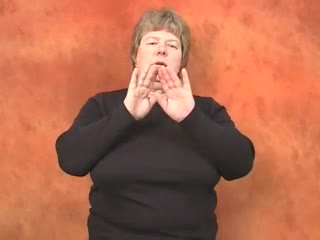
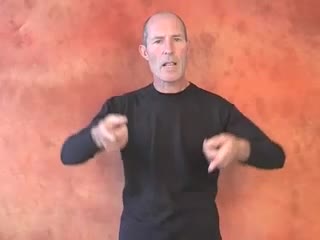
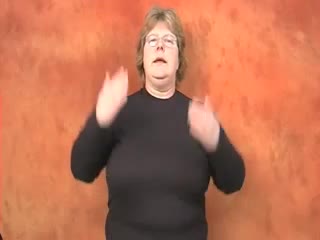
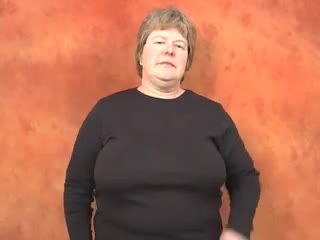
How to Sign "timber boarded house" in British Sign Language - Step-by-Step
Mastering the British Sign Language gesture for a timber boarded house involves a series of precise actions that together create a vivid representation of this distinct dwelling.
Step 1: Handshape
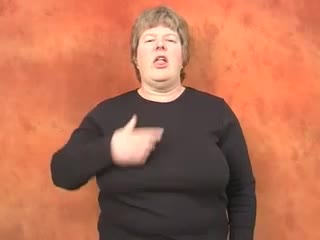
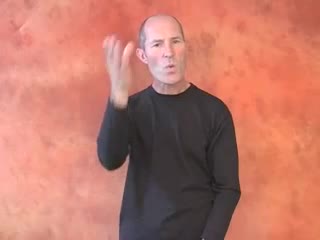
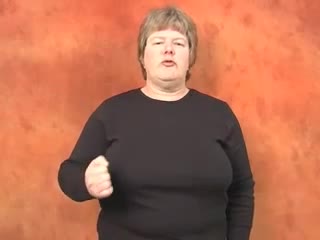
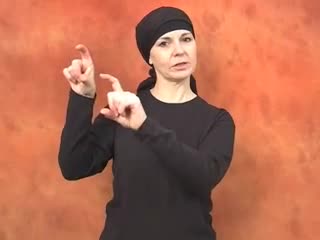
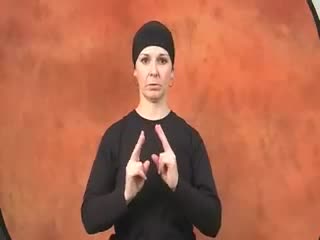
For this sign, you'll primarily use your dominant hand. Form what we call an "open B-hand" handshape: keep all four fingers straight, extended, and pressed tightly together, with your thumb tucked neatly alongside the palm. Picture your hand resembling a flat, sturdy board, ready to illustrate the material itself.
Step 2: Hand Placement and Location
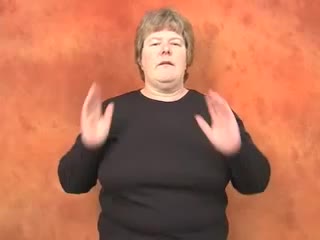
Next, position your non-dominant hand in a similar open B-hand shape, holding it upright in front of your body, roughly at chest height. This stationary hand acts as the foundational wall or structure of the house. Your dominant hand, in its 'board' shape, will start just above and slightly to the side of your non-dominant hand, with its palm facing the non-dominant hand's palm.
Step 3: Movement
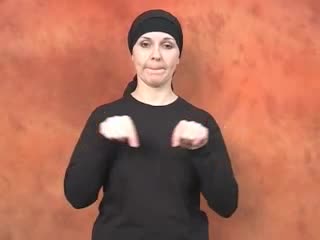
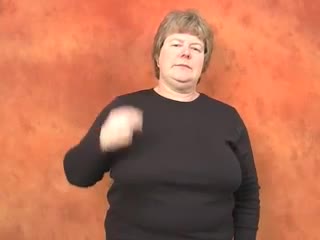
With your dominant hand, execute a clear, downward sweeping motion across the palm or fingers of your non-dominant hand. This movement should be smooth and deliberate, indicating a single plank of wood. Repeat this downward sweep two or three times, slightly shifting your dominant hand horizontally with each repetition to suggest multiple parallel boards forming a wall.
Step 4: Facial Expression and Mouthing
Non-manual features are absolutely crucial in British Sign Language, adding layers of grammatical information and context. For "timber boarded house," maintain a neutral or slightly descriptive facial expression, perhaps with a subtle brow furrow if you're detailing a rustic or old building. You might also mouth the English words "timber boarded house" or simply "house" to reinforce the lexical meaning, particularly when introducing the concept or for clarity in a new conversation.
Step 5: Palm Orientation
The palm of your dominant hand should begin facing the palm of your non-dominant hand, then it will maintain that orientation as it sweeps downwards. Your non-dominant hand's palm faces your dominant hand throughout the entire sign. This specific palm orientation is key because it clearly presents the "face" of the boards as if you are looking directly at the side of the house.
"timber boarded house" in BSL - Quick Reference Snapshot
- Handshape: Dominant hand open B-hand (flat, fingers together); Non-dominant hand open B-hand (stationary).
- Location: Dominant hand starts above non-dominant hand at chest height.
- Movement: Dominant hand sweeps downwards across non-dominant palm, repeated 2-3 times.
- Facial Expression: Neutral to slightly descriptive, possibly mouthing "timber boarded house."
- Dominant Hand: Performs the sweeping motion; non-dominant hand remains stationary.
- Palm Orientation: Dominant palm faces non-dominant palm, both facing inwards towards each other.
5 Memorisation Tricks for the BSL Sign "timber boarded house"
Getting this sign to stick in your memory can be a really fun process with a few clever tricks. Here are some ideas to help you truly master the BSL sign for timber boarded house:
- Visual Mnemonic: Picture your dominant hand as a single, flat wooden plank. When you sweep it down the stationary non-dominant hand, which represents the side of a building, you're literally "drawing" the vertical boards onto the house. This visual connection to building planks should make the movement immediately intuitive.
- Muscle-Memory Drill: Perform the sign silently and slowly, perhaps ten times in a row, focusing intensely on the feel of the handshapes and the trajectory of the movement. Then, close your eyes and try to replicate the precise muscle memory of the downward sweeps, imagining the boards appearing.
- Connect to the Word's Meaning: Think about the core meaning of "timber boarded house": it's a structure made of wood boards. The sign itself powerfully mimics the act of placing or seeing those vertical boards, making the connection between the visual sign and its meaning incredibly strong.
- Common-Confusion Tip: Be mindful not to confuse this sign with general "wood" or "building" signs. The specific repetition and the use of the non-dominant hand as a base distinguish it; "wood" might use a sawing motion, and "building" often involves stacking, so focus on the distinct vertical board action.
- Daily-Life Practice Idea: Every time you see a building with vertical wooden cladding or even a wooden fence, silently practise the sign for "timber boarded house." This real-world application will embed the sign deeply, linking it to your environment and making it a natural part of your visual vocabulary.
Real-Life Situations to Use the BSL Sign for "timber boarded house"
Being able to use the sign for timber boarded house in everyday conversations will significantly enhance your descriptive abilities in British Sign Language. Here are some practical scenarios where this specific sign would be incredibly useful:
- Imagine you're describing your holiday cottage to a Deaf friend; you might sign, "MY HOLIDAY HOUSE, IT TIMBER BOARDED HOUSE, VERY COSY." Here, the sign provides a precise detail about the structure.
- Perhaps you're discussing architecture with a group, and someone asks about different types of homes. You could sign, "DO YOU PREFER BRICK HOUSE, OR TIMBER BOARDED HOUSE?" This shows a direct comparison using clear options.
- When talking about visiting a historic village, you could comment, "YESTERDAY I SAW MANY OLD TIMBER BOARDED HOUSE, BEAUTIFUL." This sentence uses a quantifier and expresses an opinion within the BSL structure.
- If you're correcting a misunderstanding about a particular building, you might sign, "NO, THAT NOT BRICK HOUSE, IT TIMBER BOARDED HOUSE," using negation to clarify the material.
Top 3 Mistakes Learners Make Signing "timber boarded house" in BSL
Learning any new sign comes with its own little quirks, and "timber boarded house" is no exception. Here are the most common pitfalls learners encounter and how you can easily avoid them:
- Incorrect Handshape for the Boards: A frequent error is using a curved hand or separating the fingers on the dominant hand instead of keeping them perfectly straight and together. This can make the sign look like "wavy" or "uneven" wood rather than flat, uniform planks. To correct this, always double-check that your dominant hand's fingers are rigidly straight and pressed tightly side-by-side, embodying a smooth, flat board.
- Missing or Inconsistent Repetition of Movement: Some learners perform only one downward sweep or vary the direction of their sweeps, losing the visual impact. The sign requires 2-3 distinct, consistent downward sweeps to truly represent multiple boards. Ensure you repeat the exact same motion several times, maintaining a steady rhythm and direction, clearly showing a boarded surface.
- Improper Non-Dominant Hand Placement or Movement: Beginners sometimes let their non-dominant hand drift or move, or they position it too far away from the body, which weakens the sign's clarity. Your non-dominant hand should remain stationary and upright at chest height, acting as the solid, unmoving "canvas" for the dominant hand's 'boards'. Keep it steady, and ensure your dominant hand is sweeping directly across its palm or fingers.
Fascinating Facts About the BSL Sign for "timber boarded house"
Delving into the specifics of a sign like "timber boarded house" reveals some truly interesting aspects of British Sign Language itself. Here are some intriguing insights:
- The iconic nature of this sign is particularly strong; it directly mimics the visual appearance of vertical planks on a building, making it highly descriptive and often easily understood even by those new to the language.
- While the core handshape and movement for "timber boarded house" are widely understood across the UK, subtle regional variations might exist, particularly in the speed or number of repetitions. Some areas might use fewer sweeps for brevity, while others might emphasise a more detailed motion.
- This sign often serves as a compound sign, effectively combining elements of "wood" (material) and "house" (structure) into a single, cohesive visual concept, showcasing how BSL efficiently conveys complex ideas.
- Interestingly, the distinct, flat handshape for the boards likely derives from the foundational BSL sign for "wood" or "tree," which often involves a flat hand moving in a cutting or sawing motion, highlighting its material origin.
- The sign's clear distinction from a generic "house" sign, which typically involves outlining a roof or walls, demonstrates BSL's capacity for high specificity, allowing signers to differentiate between various construction types with precision.
"timber boarded house" in Deaf Culture - Community and Identity
The concept of a "timber boarded house" extends beyond mere architecture within Deaf culture; it often touches on themes of home, heritage, and belonging. While not inherently tied to specific Deaf cultural events, discussions about homes are universal, and the ability to describe one's living situation accurately fosters connection. When Deaf individuals discuss where they live, or perhaps reflect on family homes, the detailed visual of a timber boarded house sign can evoke a sense of warmth, history, or a particular aesthetic that resonates deeply. It's about sharing a part of one's world, and a sign like this allows for richer, more personal storytelling. This precision in description helps to build a shared understanding of environments and experiences, contributing to the communal fabric of the British Deaf community.
Example Conversations Using "timber boarded house" in BSL
Understanding how to integrate a new sign into full BSL sentences is vital for genuine communication. Here are five practical examples using the sign for "timber boarded house":
English: My grandmother lives in a charming timber boarded house by the sea. - BSL structure: MY GRANDMOTHER LIVE HOUSE, TIMBER BOARDED HOUSE, SEA NEARBY, CHARMING.
English: Are there many old timber boarded houses in that village? - BSL structure: THAT VILLAGE, OLD TIMBER BOARDED HOUSE, MANY THERE? (Question structure using facial expression).
English: We decided against buying the timber boarded house because it needed too much repair. - BSL structure: WE DECIDE NOT BUY TIMBER BOARDED HOUSE, REPAIR TOO MUCH NEED.
English: The artist's studio was a small, beautifully maintained timber boarded house. - BSL structure: ARTIST STUDIO, SMALL, TIMBER BOARDED HOUSE, BEAUTIFULLY MAINTAINED.
English: I prefer the modern brick houses to the traditional timber boarded ones. - BSL structure: I PREFER MODERN BRICK HOUSE, NOT LIKE TRADITIONAL TIMBER BOARDED HOUSE.
Frequently Asked Questions: The BSL Sign for "timber boarded house"
Is there a specific regional variant for the BSL sign for timber boarded house?
While the core handshape and movement for "timber boarded house" are largely consistent across the UK, you might occasionally observe slight differences in the number of downward sweeps or the exact angle of the dominant hand in various regions. These subtle modifications are usually minor and don't impede understanding, simply reflecting natural linguistic evolution within different local Deaf communities. The fundamental visual representation of vertical boards remains universally recognisable.
How is this sign different from just "house" or "wood"?
This sign offers much more specificity than either "house" or "wood" alone. The generic sign for "house" often involves outlining the shape of a roof and walls, while "wood" might use a handshape and movement suggesting a tree trunk or sawing. The sign for "timber boarded house" uniquely combines the material (wood represented by the flat hand) with a specific construction method (repeated downward sweeps indicating planks on a structure), creating a distinct and highly descriptive sign for a very particular type of dwelling.
Is the timber boarded house sign suitable for beginners?
Absolutely! The sign for "timber boarded house" is quite iconic and visually logical, making it an excellent sign for beginners to learn. Its clear handshapes and straightforward movement mean it's relatively easy to grasp and replicate accurately. Practising this sign early helps build a strong foundation in understanding how British Sign Language uses visual representation to convey detailed concepts, which is invaluable for new learners.
Can children easily learn the BSL sign for timber boarded house?
Yes, children typically pick up the sign for "timber boarded house" with great enthusiasm. Its visual nature, mimicking a house being built with planks, is very appealing and memorable for young learners. Encouraging children to sign it while looking at actual wooden buildings or in picture books helps them connect the sign directly to the real world, reinforcing their learning in a fun and engaging way.
What makes the BSL sign for timber boarded house distinct from general 'wooden building' concepts?
The sign for "timber boarded house" specifically conveys the idea of a structure clad in *boards*, typically implying vertical planks, which distinguishes it from a more general "wooden building." A "wooden building" might be constructed with logs, beams, or other forms of wood. This sign’s repeated downward sweeping motion explicitly highlights the individual, parallel planks, providing a level of detail that a broader "wooden building" sign wouldn't necessarily capture, showing BSL's capacity for fine semantic distinctions.
Signs That Pair Naturally with "timber boarded house" in BSL
Building your vocabulary in British Sign Language becomes much more efficient when you connect new signs with related concepts. Here are some signs that naturally complement "timber boarded house":
- HOUSE: This is the general term for a dwelling, providing the broader category into which "timber boarded house" fits, helping you discuss different types of homes.
- WOOD / TREE: Crucial for understanding the material aspect, as the flat handshape used in "timber boarded house" has strong iconic links to timber and forestry.
- BUILD: Useful for describing the construction process or the act of creating a structure, allowing you to explain how such a house comes to be.
- VILLAGE / TOWN: These signs provide the geographical context where you might encounter many timber boarded houses, enriching your descriptive storytelling.
- ROOF: An essential component of any house, this sign allows you to describe another part of the building, expanding on architectural details.
- BRICK: Learning "brick" alongside "timber boarded house" is excellent for making comparisons and discussing alternative building materials.
Building Fluency: How to Practise "timber boarded house" in BSL
Achieving fluency with any British Sign Language sign, including "timber boarded house," comes down to consistent, thoughtful practice. First, try using a mirror to watch yourself sign, paying close attention to your handshapes, placement, and movement; this visual feedback is invaluable for refining your technique. Next, consciously integrate "timber boarded house" into your daily inner monologue or practice conversations, making an effort to describe buildings you encounter throughout your day. A fantastic way to gauge your progress involves filming yourself signing, then reviewing the footage to identify areas for improvement, just as athletes watch their own performances. Ultimately, the most impactful practice comes from connecting with Deaf individuals; seeking out a Deaf conversation partner allows you to use the sign in real-world contexts and receive authentic feedback, truly embedding "timber boarded house" into your active BSL vocabulary. Keep practising, and you'll soon find this sign flowing naturally from your hands!