What Is the BSL Sign for "nail"?
Welcome to SignDeaf.com, your ultimate resource for mastering British Sign Language! Today, we're diving into the essential BSL sign for nail, a fundamental vocabulary item whether you're talking about the part of your finger or a construction material. Learning how to sign nail in BSL is incredibly valuable, as it helps you describe everyday objects, discuss personal care, or even talk about DIY projects. This comprehensive guide will ensure you confidently learn the British Sign Language nail sign, making your communication with the Deaf community more fluent and precise, whether you are Deaf yourself or a hearing person eager to connect.
How to Sign "nail" in British Sign Language - Step-by-Step Guide
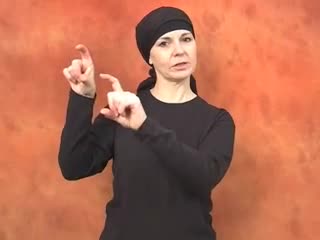
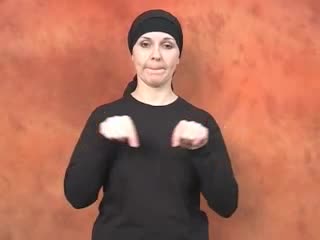
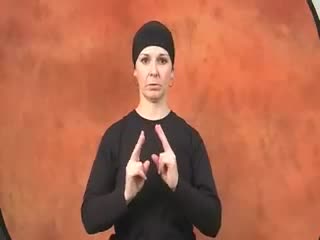
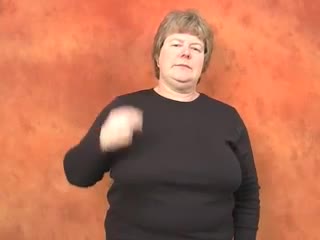
Mastering the BSL nail sign involves a precise combination of handshape, position, movement, and non-manual features. Follow these steps carefully to learn nail sign language accurately.
Step 1: Handshape
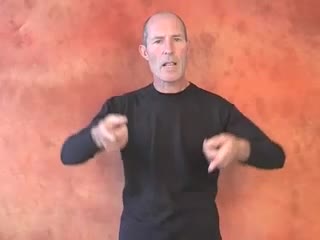
To form the BSL sign for nail, begin by extending your dominant hand. Your handshape should be a 'G' handshape, which means your index finger is extended straight out, and your thumb is extended parallel to it, resting slightly against the side of the index finger. Your middle, ring, and pinky fingers should be curled down into your palm, resting against the thumb or palm itself. Ensure the extended index finger is straight and firm, pointing forward.
Step 2: Hand Position and Location
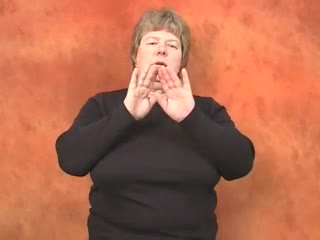
Once you have the correct handshape (the 'G' handshape with your dominant hand), position your hand. The sign for "nail" is performed in the neutral signing space in front of your body, generally around chest height. However, the movement will bring it into contact with your non-dominant hand. Your non-dominant hand should be open, palm facing upwards or slightly towards your dominant hand, with fingers extended and together, forming a flat surface. This flat non-dominant hand represents the surface onto which a nail might be hammered.
Step 3: Movement
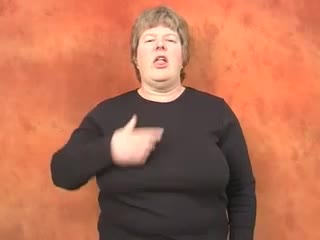
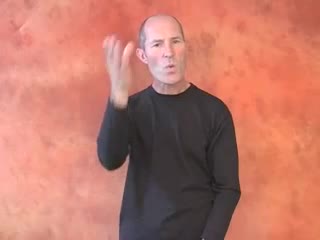
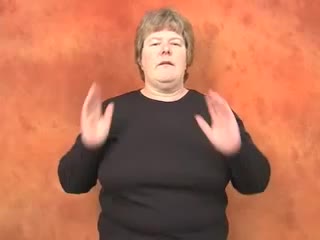
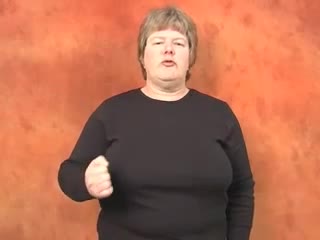
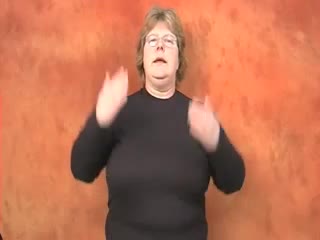
With your dominant hand in the 'G' handshape and your non-dominant hand flat, the movement for the BSL nail sign is crucial. You will take your dominant hand (the 'G' handshape) and make a distinct, sharp, downward striking motion towards the palm of your non-dominant hand. Imagine you are hammering a nail. The tip of your extended index finger (representing the nail) should tap or strike the palm of your non-dominant hand. This movement is usually performed once or twice sharply, mimicking the action of hammering. The movement should be controlled and deliberate, clearly indicating the impact.
Step 4: Non-Manual Features (Facial Expression & Mouthing)
Non-manual features are grammatically essential in BSL and add crucial context and meaning to signs. For the British Sign Language nail sign, a neutral facial expression is typically appropriate, reflecting the objective nature of the word. However, if you are signing about a broken nail or hammering your thumb, your expression would naturally adapt to convey pain or frustration. When discussing a "nail" (the object), mouthing the word "nail" silently or partially can help clarify for some Deaf signers, especially if there might be ambiguity with similar signs. This helps reinforce the English equivalent, though it's not always strictly necessary depending on the context.
Step 5: Palm Orientation
Throughout the BSL sign for nail, the palm orientation of your dominant hand (the 'G' handshape) will generally face downwards or slightly towards your non-dominant hand as you make the striking motion. The extended index finger, representing the nail, points towards the surface of your non-dominant palm. The palm of your non-dominant hand should be facing upwards, providing a stable, flat surface for the dominant hand to strike against.
Quick Reference: "nail" BSL Sign at a Glance
- Handshape: Dominant hand forms a 'G' shape (index finger and thumb extended, other fingers curled). Non-dominant hand is flat, palm up.
- Location: Dominant hand strikes the palm of the non-dominant hand in front of the body.
- Movement: Dominant 'G' hand makes one or two sharp downward striking motions onto the non-dominant palm.
- Facial Expression: Neutral, unless conveying pain or specific context. Mouthing "nail" is optional.
- Dominant Hand: Used for the 'G' handshape and striking movement.
5 Tips to Learn the BSL Sign for "nail" Quickly
Visualise the Action: Think of the sign as physically hammering a nail. The 'G' handshape with the extended index finger is the nail itself, and your non-dominant flat palm is the surface it's being hammered into. This strong visual connection makes it easier to remember the handshape, location, and movement of the BSL sign for nail.
Practise Handshape First: Before attempting the full movement, spend some time just forming the 'G' handshape correctly with your dominant hand. Ensure your index finger is straight and your thumb is positioned correctly. A strong foundation in handshape will make the rest of learn nail BSL much smoother.
Focus on the Strike: The sharp, deliberate downward movement is key. It's not a gentle tap, but a clear, impactful strike. Practise this motion repeatedly, ensuring your dominant hand makes firm contact with your non-dominant palm, just like a hammer hitting a nail.
Connect to Contexts: Think about different sentences where you might use the word "nail" and mentally rehearse the sign. This could be "I need a nail for this picture" or "My fingernail broke." Using the nail British Sign Language sign in various imagined contexts helps solidify its meaning and usage.
Mirror Practice: Stand in front of a mirror and practise the sign. Observe your handshape, movement, and facial expression. Compare what you see to instructional videos or descriptions. This self-correction technique is invaluable for refining your technique and ensuring you're signing the BSL nail sign correctly.
When and How to Use the BSL Sign for "nail"
The BSL sign for nail is versatile and can be used in many everyday situations. Understanding its context is crucial for effective communication within the Deaf community.
Discussing DIY and Construction: This is perhaps the most common context. You might use the sign when asking for a nail, describing a repair, or talking about building something. For example, "I need some nails for this shelf."
Talking about Fingernails/Toenails: While the primary sign often refers to the object, context usually clarifies if you mean a bodily nail. If you need to specify "fingernail," you might add a classifier or point to your finger. For example, "My fingernail is broken." The base BSL sign for nail is often enough, with context or further description disambiguating.
Referring to a Nail Salon: In the context of beauty or personal care, the sign for "nail" combined with other signs like "salon" or "paint" would clearly indicate a nail salon or getting a manicure. For instance, "I'm going to the nail salon."
Describing a "Nail-Biting" Situation: While BSL often uses descriptive or conceptual signs, you might use the nail sign language to establish the concept of a nail, then follow with signs for "bite" and "tense" or "exciting" to convey the idiom "nail-biting." BSL grammar is often topic-comment, so you might sign "FILM NAIL BITE, VERY TENSE" to convey a thrilling movie.
Common Mistakes When Signing "nail" in BSL - And How to Fix Them
Learning how to sign nail in BSL can come with a few common pitfalls for beginners. Don't worry, these are easily corrected with awareness and practice!
Incorrect Handshape: A frequent mistake is not forming the 'G' handshape precisely. Sometimes learners might extend the middle finger slightly, or not keep the other fingers fully curled. This can make the sign unclear or resemble another sign. Correction: Pay close attention to Step 1. Is your index finger perfectly straight? Are your middle, ring, and pinky fingers tucked in completely? Practice forming just the 'G' handshape repeatedly until it feels natural and correct.
Weak or Indecisive Movement: Another common error is a soft, hesitant, or unclear striking motion. If the movement isn't sharp and deliberate, the sign might look more like a gentle tap or a vague gesture. Correction: Remember the imagery of hammering. The movement for the BSL nail sign should be firm and impactful, clearly showing the action of driving a nail. Practise making a confident, controlled strike onto your non-dominant palm.
Ignoring the Non-Dominant Hand: Some beginners might try to sign "nail" with only one hand, or position the non-dominant hand incorrectly (e.g., pointing it away, or keeping it curled). The non-dominant hand provides the crucial "surface" for the nail to strike. Correction: Always remember that the non-dominant hand is an integral part of this two-handed sign. Ensure it is flat, stable, and correctly positioned with its palm facing upwards, ready to receive the "impact" of the dominant hand. This ensures the full meaning of the British Sign Language nail sign is conveyed.
"nail" in BSL - Fun Facts and History
Iconic Representation: The BSL sign for nail is highly iconic, meaning it visually resembles the action or object it represents. The 'G' handshape directly mimics the shape of a nail, and the striking movement clearly depicts hammering. This makes it a relatively easy sign for beginners to grasp and remember.
Historical Evolution: While precise historical records for every BSL sign are rare, iconic signs like "nail" are often very old and have likely retained a similar form for centuries. Their direct visual representation makes them less prone to drastic change compared to more abstract signs.
Regional Variations: Like many BSL signs, "nail" can have subtle regional variations across the UK. While the dominant 'G' handshape and striking motion are generally consistent, the exact height of the sign, the intensity of the strike, or even slight variations in the non-dominant hand's position might differ slightly between, say, London BSL and Scottish BSL. However, the core meaning of nail sign language remains universally understood.
Connection to Manual Alphabet: The 'G' handshape used in "nail" is also the handshape for the letter 'G' in the two-handed BSL manual alphabet. While the sign for "nail" is not part of fingerspelling, this shared handshape can sometimes be a helpful memory aid for those learning both the alphabet and vocabulary signs.
Versatility in Meaning: As mentioned, the sign for "nail" can refer to both the construction object and the part of the finger/toe. This versatility, clarified by context or additional signs, highlights the efficiency of BSL. The visual representation of the strike is strong enough to cover both concepts, with the context providing the disambiguation.
"nail" in Deaf Culture and BSL Community
The concept of "nail" might seem simple, but its usage within Deaf culture and the BSL community reflects practical aspects of daily life and communication. Whether it's discussing home improvements, personal grooming, or even metaphorical expressions, the BSL sign for nail is a commonplace sign. Deaf individuals, like hearing individuals, engage in DIY projects, visit nail salons, and talk about personal health, making this sign a regular part of their signed conversations. Learning and using signs like "nail" correctly demonstrates respect for BSL as a rich, living language and helps foster genuine connections within the Deaf community. It's not just about learning a word; it's about understanding its place in the broader tapestry of Deaf communication and life experiences in the UK.
Example Sentences Using "nail" in BSL
Here are five practical example sentences showing the BSL sign for nail in context, along with notes on BSL grammatical structure.
English sentence: I need a nail for this picture frame. - BSL structure: PICTURE FRAME, ME NEED NAIL.
English sentence: My fingernail broke yesterday. - BSL structure: YESTERDAY, MY FINGER-NAIL BREAK.
English sentence: Can you pass me the box of nails? - BSL structure: NAIL BOX, YOU PASS ME? (Question indicated by facial expression and body lean)
English sentence: She went to the nail salon. - BSL structure: SHE GO NAIL SALON. (The sign for "nail" followed by the sign for "salon")
English sentence: That movie was a real nail-biter! - BSL structure: THAT MOVIE, WOW, NAIL BITE, VERY TENSE! (The sign for "nail" followed by "bite" and other descriptive signs to convey the idiom)
Frequently Asked Questions About the BSL Sign for "nail"
Is this sign the same everywhere in the UK?
While the core BSL sign for nail (the 'G' handshape striking the palm) is widely understood and used across the UK, BSL does have regional variations. You might observe subtle differences in speed, emphasis, or the exact height of the sign depending on whether you are in Scotland, London, or other parts of the UK. However, the meaning will almost certainly remain clear.
How is this sign different from similar signs?
The precision of the 'G' handshape and the distinct striking movement help differentiate "nail" from other signs. For example, some signs use an extended index finger but might involve different movements or locations (e.g., "point" or "one"). The combination of the specific 'G' handshape, the non-dominant hand acting as a surface, and the hammering motion makes the BSL nail sign unique.
Is this suitable for beginners?
Absolutely! The BSL sign for nail is considered a beginner-friendly sign due to its iconic nature. It visually represents the action of hammering a nail, making it intuitive and easy to remember. It's a great sign to learn nail BSL early in your learning journey.
Can I use this sign with Deaf children?
Yes, this sign is perfectly suitable for use with Deaf children. Its clear visual representation makes it easy for young learners to grasp. When teaching children, you can even exaggerate the hammering motion slightly to make it more engaging and memorable. They will quickly learn nail BSL and incorporate it into their vocabulary.
Where can I practise this sign?
You can practise the British Sign Language nail sign in front of a mirror, by filming yourself, or ideally, with other BSL learners or a Deaf person. Online BSL communities and local Deaf clubs are excellent places to find practice partners and receive feedback. Consistent practice in varied contexts will build your fluency.
Related BSL Signs to Learn Alongside "nail"
Learning related signs in clusters can significantly boost your BSL vocabulary and fluency. Here are some signs that naturally complement the BSL sign for nail:
Hammer: Learning "hammer" alongside "nail" is logical as they are often used together in context. The sign for hammer typically involves both hands making a hammering motion as if holding a tool.
Wood: Nails are often used with wood. The sign for "wood" involves rubbing the side of your dominant hand along the back of your non-dominant hand, mimicking the texture of wood.
Picture: If you're hammering a nail to hang a picture, "picture" is a useful sign. It often involves outlining a square or rectangle in the air.
Break: If a nail breaks (either a construction nail or a fingernail), the sign for "break" (often two hands breaking apart) is highly relevant. This helps you describe common scenarios related to "nail."
Fix/Repair: When you're using nails for DIY, you're often fixing or repairing something. The sign for "fix" or "repair" (often hands twisting or coming together) is a natural extension to your vocabulary.
Paint: In the context of fingernails, "paint" (often dominant index finger tracing across the non-dominant palm as if painting) is essential for discussing manicures or nail polish.
How to Practise the BSL Sign for "nail" Effectively
To truly master the BSL sign for nail, consistent and varied practice is key. Start by using a mirror to observe your handshape, movement, and non-manual features; this allows for immediate self-correction. Next, try filming yourself; watching playback helps you spot nuances you might miss in real-time. Crucially, integrate the sign into full BSL sentences, rather than just isolated words, to build contextual fluency. Seek opportunities to practise with a Deaf person or experienced BSL user, as their feedback is invaluable for refining your signing. Finally, incorporate "nail" into your daily thoughts and conversations – imagine situations where you would use it, helping solidify it in your long-term memory.