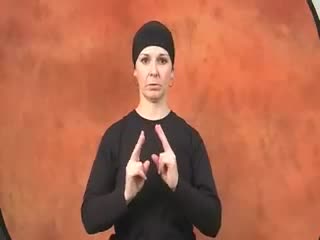
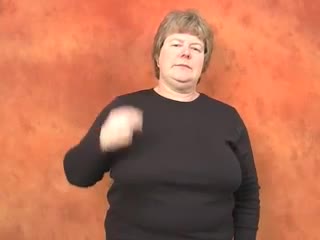
What Is the BSL Sign for "angle iron"?
Welcome, future BSL communicators and members of our vibrant Deaf community! On SignDeaf.com, we're dedicated to helping you master the richness of British Sign Language. Today, we're delving into a specific, yet important, term often encountered in practical contexts: "angle iron." The BSL sign for angle iron is a wonderfully descriptive sign that visually represents the unique L-shaped profile of this common construction material. Understanding how to sign angle iron in BSL allows you to discuss everything from DIY projects and engineering specifics to architectural details with clarity and precision, fostering more inclusive and effective communication within the Deaf community and beyond. Whether you're Deaf yourself or learning British Sign Language angle iron for the first time, you're in the right place to learn this essential sign.
How to Sign "angle iron" in British Sign Language - Step-by-Step Guide
Let's break down the BSL angle iron sign into easy-to-follow steps, ensuring you can learn angle iron BSL accurately and confidently.
Step 1: Handshape
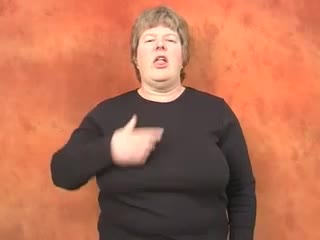
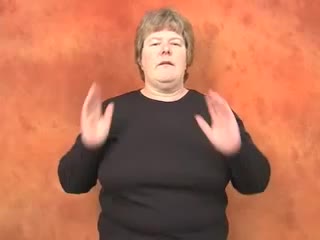
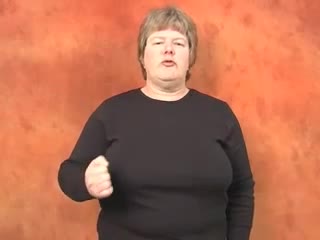
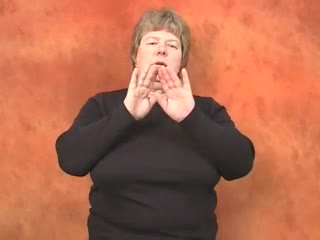
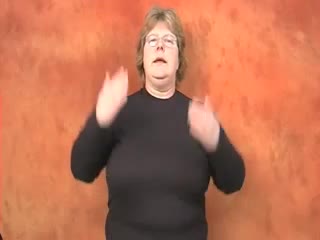
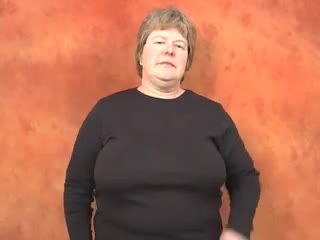
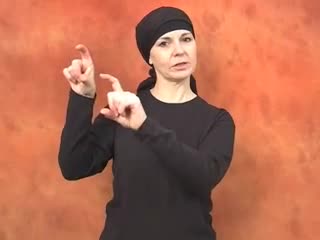
For the BSL sign for angle iron, you will use your dominant hand. Form your hand into a specific shape that visually represents the "angle" component. Extend your index finger straight out, pointing forward. Then, extend your thumb outwards, positioning it at a right angle (90 degrees) to your extended index finger, so they form a clear 'L' shape. Your remaining fingers (middle, ring, and pinky) should be curled firmly into your palm, keeping them out of the way. This precise handshape is crucial as it directly mimics the cross-section of an angle iron.
Step 2: Hand Position and Location
Begin with your dominant hand, holding the 'L' handshape you've just formed. Position your hand in the neutral signing space directly in front of your chest, slightly to the side of your dominant shoulder. Ensure your hand is comfortable and visible, not too close to your body or too far away. Your elbow should be relaxed, allowing for a natural and clear movement in the next step. The location is important for the visibility and clarity of the sign within a conversation.
Step 3: Movement
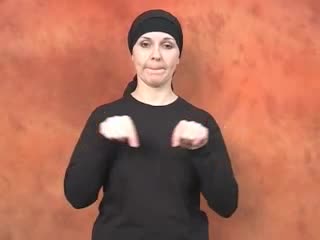
Once your hand is in position, perform a short, firm, and deliberate downward movement. Start with your handshape slightly raised, then move it downwards by about 5-8 centimetres (2-3 inches). The movement should be a single, controlled drop, not a gentle sway or a repeated action. This firm downward motion helps to convey the concept of a sturdy, structural piece of "iron" or metal being placed or its inherent strength. The movement should be quick but not rushed, emphasizing the solidity of the material.
Step 4: Non-Manual Features (Facial Expression & Mouthing)
Non-manual features are absolutely essential in BSL, adding grammatical information and conveying tone, just like intonation in spoken English. For the BSL sign for angle iron, a neutral and focused facial expression is typically used, reflecting the objective nature of the object. Your head should remain upright. Crucially, you should mouth the word "angle iron" clearly as you perform the sign. Mouthing helps to provide clarity and distinguish the sign from potentially similar visual signs, especially for those who lip-read or are learning to connect BSL signs with their English equivalents. This is a common practice in BSL, even for Deaf signers.
Step 5: Palm Orientation
Throughout the sign for "angle iron," your palm orientation will remain relatively consistent. As you form the 'L' handshape and begin the sign, your palm should be facing generally forward or slightly towards your non-dominant side, allowing the 'L' shape formed by your index finger and thumb to be clearly visible to your conversational partner. As you perform the downward movement, the palm may naturally rotate slightly downwards, but the primary orientation of the 'L' shape remains clear and directed towards the receiver.
Quick Reference: "angle iron" BSL Sign at a Glance
- Handshape: Dominant hand, index finger extended, thumb extended at right angle (forming 'L'), other fingers curled.
- Location: Neutral signing space, in front of dominant shoulder.
- Movement: Short, firm, deliberate downward movement (approx. 5-8 cm).
- Facial Expression: Neutral, focused; mouthing "angle iron."
- Dominant Hand: Used for the sign.
5 Tips to Learn the BSL Sign for "angle iron" Quickly
- Visual Connection & Mnemonics: The beauty of the BSL sign for angle iron lies in its iconicity. To remember the handshape, always visualize the actual L-shaped cross-section of an angle iron. Think of your index finger as one leg of the 'L' and your thumb as the other, perfectly forming that distinctive corner. This strong visual link will make remembering the specific handshape much easier and more intuitive.
- Practice the 'L' Handshape Separately: Before combining all elements, spend some time just practicing forming the 'L' handshape with your dominant hand until it feels natural and comfortable. Ensure your index finger and thumb are truly at a right angle. This foundational practice will make the overall sign much smoother and more accurate when you add movement and location.
- Emphasize the "Iron" Movement: The short, firm downward movement isn't just arbitrary; it conveys the solidity and weight of "iron." As you practice the movement, mentally associate it with the idea of something heavy, strong, and structural. This conceptual connection will help you remember the precise nature and intention behind the movement, making your sign more expressive and correct.
- Utilize Mouthing for Reinforcement: Always remember to mouth "angle iron" clearly as you sign. This not only aids in communication but also serves as a powerful memory aid. The simultaneous auditory (for spoken language learners) and visual input reinforces the connection between the English word and the BSL sign, helping you to internalize learn angle iron BSL more effectively.
- Integrate into Contextual Sentences: Don't just practice the sign in isolation. Once you feel comfortable with the mechanics, try to think of simple sentences where you might use British Sign Language angle iron. For example, "I need some angle iron for the shelf," or "The engineer used strong angle iron." Practicing in context helps cement the sign in your active vocabulary and prepares you for real-life conversations.
When and How to Use the BSL Sign for "angle iron"
The BSL sign for angle iron is incredibly useful in practical, construction, and engineering contexts. It allows for clear communication about materials and structures. Here are a few scenarios where you might use this sign:
- Construction Site Discussions: When discussing building plans or materials with Deaf colleagues or contractors, you might sign "We need more angle iron for the frame." This specifies the exact type of structural support required.
- DIY and Home Improvement: If you're explaining a home project to a Deaf friend, you could sign "I'm going to use angle iron to reinforce this workbench." It clearly conveys the material choice.
- Technical Explanations: In an educational setting or a technical presentation, you might use the sign to illustrate the components of a structure. For example, "This bridge uses angle iron for its cross-bracing," accompanied by appropriate spatial grammar to show the placement.
- Grammatical Considerations: In BSL, the sign itself does not change for plural (e.g., "angle irons"). You would typically sign "angle iron" and then indicate quantity separately if needed, or the context would make the plural clear. For questions, your non-manual features (e.g., raised eyebrows for a 'yes/no' question) would adapt, but the sign for angle iron itself would remain consistent.
Common Mistakes When Signing "angle iron" in BSL - And How to Fix Them
Learning any new sign can present challenges, and the BSL angle iron sign is no exception. Here are three common errors beginners make and how to correct them, ensuring your British Sign Language angle iron is always clear and accurate.
-
Mistake 1: Incorrect Handshape for the 'L' Angle.
Error: Often, learners might not form a crisp 90-degree angle with their index finger and thumb, or they might let other fingers extend slightly. This can make the sign look like a 'G' or just a generally open hand, losing the crucial "angle" representation. The 'L' might be too wide, too narrow, or simply not defined enough.
Fix: Focus intently on isolating your index finger and thumb. Practice in front of a mirror, ensuring your index finger is straight and your thumb is precisely at a right angle to it. Curl your other fingers tightly into your palm. This precision is key to conveying the specific meaning of "angle iron sign language." Think of it as drawing the perfect corner with your hand.
-
Mistake 2: Vague or Absent Movement.
Error: Some learners might forget the downward movement entirely, or perform it too subtly, making the sign look like just a static handshape. Alternatively, the movement might be too long, too fast, or repeated, which can change its meaning or make it unclear.
Fix: Remember that the firm, short downward movement signifies the "iron" or structural quality of the material. Practice making this movement deliberate and controlled, about 5-8 centimetres (2-3 inches). It should be a single, confident drop. Imagine the weight and solidity of angle iron as you perform the movement; this mental association will help you execute it correctly every time.
-
Mistake 3: Neglecting Non-Manual Features (NMFs).
Error: A common oversight for beginners is signing the handshape and movement correctly but forgetting to mouth the word "angle iron" or to maintain a neutral, focused facial expression. Without these NMFs, the sign can appear incomplete or less precise, potentially causing confusion.
Fix: Make mouthing an integral part of your practice. Every time you perform the BSL sign for angle iron, consciously mouth "angle iron" clearly. Also, be mindful of your facial expression – keep it neutral and attentive. NMFs are not optional; they are vital grammatical and contextual components of BSL, making your communication clearer and more natural within the Deaf community.
"angle iron" in BSL - Fun Facts and History
- Iconic Representation: The BSL sign for angle iron is a prime example of an iconic sign, meaning it visually resembles the object it represents. The clear 'L' shape directly mirrors the cross-section of angle iron, making it relatively intuitive to learn and understand even for those new to the sign. This visual clarity is a hallmark of many BSL signs for concrete objects.
- Evolution of Technical Signs: While the core concept of "iron" (metal, strength) has long been represented in BSL through various signs involving strong handshapes or movements, the specific sign for "angle iron" likely evolved as a descriptive compound sign to precisely identify this particular material as its usage became more common in industry and construction. Many technical terms in BSL are created through descriptive or compounding methods.
- Regional Variations (Likely Minimal): For highly iconic and descriptive signs like "angle iron," significant regional variations across the UK (e.g., between London BSL, Manchester BSL, or Scottish BSL) are less common than for more abstract concepts or common words. The visual representation of the 'L' shape and the concept of 'iron' is fairly universal. However, slight differences in the exact degree of movement or hand location might exist, but the core elements would remain recognizable.
- Connection to Manual Alphabet: The handshape used for the 'L' in "angle iron" is distinct from the BSL Manual Alphabet 'L' (which uses the index finger and thumb extended, but with the palm facing forward and the index finger horizontal). The angle iron sign emphasizes the structural 'L' from a different perspective, showcasing how BSL uses similar handshapes for different iconic purposes.
- Deaf Professionals and Trades: The existence and clarity of signs like "angle iron" highlight the active participation of Deaf individuals in various trades and professions, including construction, engineering, and manufacturing. These specific signs are crucial tools that enable Deaf professionals to communicate effectively in technical environments, underscoring BSL's comprehensive vocabulary.
"angle iron" in Deaf Culture and BSL Community
The BSL sign for angle iron, while seemingly a technical term, holds a subtle yet significant place within Deaf culture and the BSL community. Its clarity and iconicity reflect the practical, direct, and often visual nature of BSL communication. For Deaf people working in trades, construction, or even just engaging in DIY projects, having a precise sign like this empowers them to discuss specific materials and plans without ambiguity. It fosters independence and full participation in areas that hearing people often take for granted. The ability to articulate complex technical details, such as the need for specific types of angle iron, reinforces Deaf identity and shows the adaptability and richness of British Sign Language. It's not just about conveying a word; it's about enabling a Deaf person to fully engage in their work, their hobbies, and their community with the same level of detail and understanding as anyone else. This sign, like many others, bridges the gap between the material world and effective BSL communication, strengthening connections within the community.
Example Sentences Using "angle iron" in BSL
English sentence: We need to cut the angle iron to fit the frame. - BSL structure: FRAME FIT, ANGLE IRON, CUT WE NEED.
English sentence: The shelf is supported by strong angle iron brackets. - BSL structure: SHELF SUPPORT, STRONG ANGLE IRON BRACKET.
English sentence: Do you have any spare angle iron for this project? - BSL structure: THIS PROJECT, ANGLE IRON SPARE, YOU HAVE? (with raised eyebrows for question)
English sentence: He built the workbench using thick angle iron for durability. - BSL structure: WORKBENCH HE BUILD, THICK ANGLE IRON USE, DURABLE.
English sentence: Make sure the angle iron is securely fastened to the wall. - BSL structure: ANGLE IRON WALL SECURELY FASTEN, MAKE SURE.
Frequently Asked Questions About the BSL Sign for "angle iron"
Is this sign the same everywhere in the UK?
For highly iconic and descriptive signs like the BSL sign for angle iron, major regional variations are less common. The visual representation of the 'L' shape and the concept of 'iron' is quite universal. While subtle stylistic differences in movement or exact hand placement might occur between regions like London, Manchester, or Scotland, the core elements of the sign would generally be understood across the UK.
How is this sign different from similar signs?
The BSL sign for angle iron is quite specific due to its unique handshape representing the 'L' profile. It differs from general signs for "metal" or "iron" (which might involve a tapping motion on the chest or forearm to denote strength/material) by specifically incorporating the "angle" shape. It also differs from signs for "corner" (which might use two index fingers meeting) by emphasizing the material and structural aspect with the downward movement and specific 'L' handshape.
Is this suitable for beginners?
Absolutely! The BSL angle iron sign is an excellent sign for beginners to learn. Its iconic nature makes the handshape easy to grasp, and the movement is straightforward. Practicing this sign helps build foundational BSL skills, including precise handshape formation, clear movement, and the integration of essential non-manual features like mouthing.
Can I use this sign with Deaf children?
Yes, you can certainly use the BSL sign for angle iron with Deaf children, especially if they are learning about construction, building, or specific materials. It's a clear and descriptive sign that can enrich their vocabulary related to the physical world. When signing with children, ensure your movements are clear and slightly exaggerated if needed, and always encourage them to mouth the word alongside you.
Where can I practise this sign?
SignDeaf.com is a fantastic starting point! You can practice by watching videos (if available on our site), using a mirror to check your handshape and movement, and signing with friends or family. The best practice, however, comes from engaging with the Deaf community, either online or in person, where you can use the sign in real conversations and receive valuable feedback.
Related BSL Signs to Learn Alongside "angle iron"
Learning signs in clusters can significantly boost your BSL fluency and understanding of contextual communication. Here are some related signs that naturally complement the BSL angle iron sign:
- METAL: Often signed by tapping the side of a fist against the temple or cheek, signifying hardness. Learning this helps distinguish "angle iron" as a specific type of metal.
- BEAM: Typically represented by one or two flat hands moving horizontally in front of the body, indicating a long, structural piece. This helps you discuss general structural components.
- SCREW: Involves a dominant hand with index finger extended, twisting as if screwing something in. Essential for discussing how angle iron is fastened.
- WELD: Often shown by bringing two 'V' handshapes (index and middle fingers extended) together and moving them along a seam, indicating joining metal. Useful for describing fabrication.
- RULER / MEASURE: Involves extending the dominant index finger and moving it along the non-dominant palm, as if measuring. Crucial for planning and cutting angle iron.
- BUILD / CONSTRUCT: Usually shown by stacking two 'C' handshapes or fists on top of each other, signifying erection or creation. This provides the broader context for using angle iron.
How to Practise the BSL Sign for "angle iron" Effectively
To truly master the BSL sign for angle iron, consistent and varied practice is key. Start by using a mirror: carefully watch your dominant hand as you form the 'L' handshape, ensuring your index finger and thumb are at a precise right angle and your other fingers are curled away. Practice the short, firm downward movement, focusing on its deliberate nature and associating it with the strength of iron. A great technique is to film yourself signing; this allows you to objectively review your handshape, movement, and crucial non-manual features like mouthing "angle iron," helping you spot and correct any inconsistencies. Don't just sign in isolation; try to integrate "angle iron" into simple English sentences you might use daily, translating them into BSL in your head. Most importantly, seek opportunities to practice with a Deaf person or an experienced BSL user; their feedback is invaluable for refining your sign and making it truly natural and clear. Daily repetition, even for a few minutes, will cement this sign into your long-term BSL vocabulary.