What Is the BSL Sign for "cement"?
Welcome to SignDeaf.com, your ultimate guide to mastering British Sign Language! Today, we're delving into the essential vocabulary of construction and building materials by exploring the BSL sign for "cement." This foundational sign represents the vital binding agent used in concrete and mortar, making it incredibly useful for discussing everything from home renovations to major infrastructure projects. Whether you're a Deaf person communicating about a building project or a hearing learner eager to expand your BSL vocabulary, understanding how to sign "cement" in BSL is a practical step towards more comprehensive communication within the Deaf community. Learning the British Sign Language cement sign will not only enrich your signing skills but also connect you more deeply with everyday conversations.
How to Sign "cement" in British Sign Language - Step-by-Step Guide
Mastering the BSL sign for "cement" is straightforward once you break it down into its core components. Follow these detailed steps to accurately perform the sign.
Step 1: Handshape
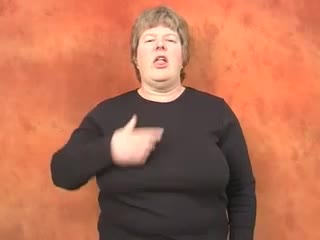
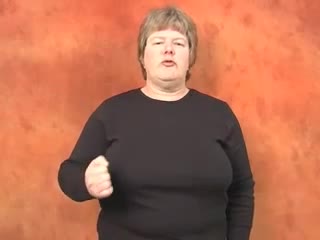
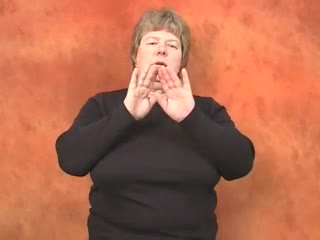
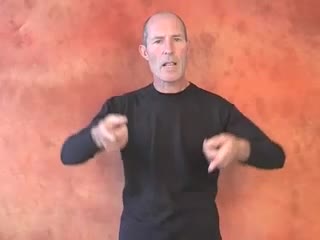
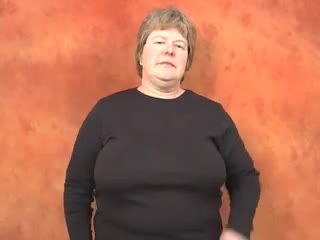
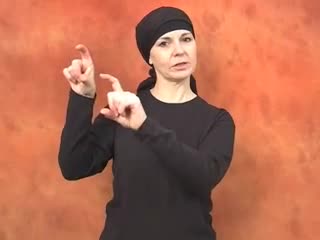
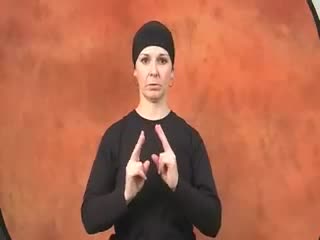
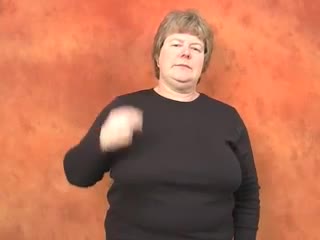
Begin by forming a dominant hand into a loose 'S' handshape, which is essentially a fist where your thumb rests across the front of your curled fingers. Imagine you are holding a small, somewhat heavy, granular object firmly in your hand. Your knuckles should be slightly bent, and the entire hand should feel compact and ready for a purposeful movement. This handshape is critical for representing the solid, yet workable, nature of cement before it sets.
Step 2: Hand Position and Location
Position your dominant hand, in the 'S' handshape, near the centre of your chest, slightly to the side of your dominant hand. The palm should be facing downwards or slightly towards your body. This central location often signifies a material or substance that is being handled or is foundational. Your non-dominant hand remains relaxed at your side, not participating in the sign's formation. The sign for "cement" is primarily a one-handed sign, making it relatively accessible for new learners.
Step 3: Movement
From the starting position near your chest, move your dominant hand downwards in a controlled, slightly arcing motion, as if you are patting or pressing something down. The movement should be deliberate and firm, suggesting the action of compacting or applying cement. Repeat this downward patting motion two to three times. The entire movement should convey a sense of purposeful application, as one would do when working with mortar or concrete, reinforcing the meaning of the British Sign Language cement sign.
Step 4: Non-Manual Features (Facial Expression & Mouthing)
Non-manual features are grammatically essential in BSL, adding crucial context and meaning to your signs. When signing "cement," a neutral yet focused facial expression is appropriate, perhaps with a slight furrow of the brow to indicate concentration, much like someone would have when working with the material. Accompany this with mouthing the word "cement" clearly. Mouthing helps to distinguish signs that might look similar and provides additional clarity, especially for those who lip-read. Ensure your head remains upright and still, conveying attention to the task at hand.
Step 5: Palm Orientation
Throughout the sign for "cement," your dominant hand's palm should primarily face downwards. As you perform the downward patting motion, the palm orientation remains consistent, maintaining its downward angle. This consistent palm orientation reinforces the idea of applying or pressing a substance onto a surface, which is fundamentally what cement does when it's used in construction. There are no significant changes in palm orientation during the movement of the BSL cement sign.
Quick Reference: "cement" BSL Sign at a Glance
- Handshape: Dominant hand in a loose 'S' handshape (fist), thumb across fingers.
- Location: Near the centre of the chest, slightly to the dominant side.
- Movement: Repeated downward, slightly arcing patting motion (2-3 times).
- Facial Expression: Neutral, focused, with clear mouthing of "cement."
- Dominant Hand: Used alone, non-dominant hand relaxed.
5 Tips to Learn the BSL Sign for "cement" Quickly
- Visualise the Action: Connect the BSL sign for "cement" directly to the physical act of working with cement. Imagine mixing it, scooping it, or patting it down to create a smooth surface. This visual-motor link will help solidify the sign in your memory, making it easier to recall how to sign cement in BSL when needed.
- Practise with Purpose: Don't just sign the word in isolation. Try to incorporate the British Sign Language cement sign into short phrases or sentences. For example, imagine signing "I need cement" or "The wall needs cement." This contextual practice helps you understand its practical application and improves your fluency.
- Utilise Non-Manual Features: Remember that mouthing "cement" and having a focused facial expression are integral parts of the sign. Consistently including these non-manual features from the beginning will ensure you learn the sign correctly and avoid developing habits that might make your signing unclear.
- Connect to Related Concepts: Think about other construction-related signs you might know or want to learn. Linking "cement" to signs like "build," "house," "wall," or "concrete" can create a mental cluster of vocabulary, making the learning process more efficient and helping you to learn cement BSL more effectively.
- Regular Short Bursts of Practice: Instead of long, infrequent study sessions, aim for short, daily practice. Five minutes a day focusing on this sign and a few others will be more effective for long-term retention than one long session once a week. Repetition builds muscle memory and confidence in your BSL cement sign.
When and How to Use the BSL Sign for "cement"
The BSL sign for "cement" is incredibly versatile and can be used in a variety of everyday and technical contexts. Here are a few scenarios where you might employ this sign:
- Discussing Construction or DIY Projects: When talking about building a new wall, repairing a patio, or any home improvement task, you would use this sign to refer to the material itself. For example, you might sign, "WE NEED CEMENT FOR BRICK WALL" (WE NEED CEMENT BRICK WALL).
- In a Work Environment: If you work in construction, architecture, or a related field, this sign is essential for communicating about materials, supplies, and processes. You could sign, "ORDER MORE CEMENT ARRIVE TOMORROW" (ORDER MORE CEMENT ARRIVE TOMORROW).
- Explaining Materials: When describing the components of concrete or mortar, the sign for "cement" would be used to specify one of the key ingredients. You might sign, "CONCRETE MIX SAND STONE CEMENT WATER" (CONCRETE MIX SAND STONE CEMENT WATER).
- Grammatical Considerations: In BSL, the word order often follows a Topic-Comment structure. So, if you want to ask "Do we have cement?", you might sign "CEMENT WE HAVE?" with a questioning facial expression. The sign itself doesn't change for questions or negation, but the non-manual features (like a head shake for negation) would convey that aspect. For example, "CEMENT NO HAVE" (CEMENT NOT HAVE) would indicate a lack of cement.
Common Mistakes When Signing "cement" in BSL - And How to Fix Them
Even experienced learners can sometimes make small errors. Here are a few common mistakes when signing "cement" in BSL and how to ensure you're signing it correctly.
- Incorrect Handshape:
The Error: Using an open palm or a 'C' handshape instead of the specific loose 'S' handshape. This can lead to confusion with other signs that involve open hands or different letter forms. For example, an open palm might be mistaken for "flat" or "surface."
The Fix: Focus on forming a firm but relaxed fist, ensuring your thumb rests across your curled fingers. Practice forming this handshape repeatedly until it feels natural. Remember the 'S' handshape implies holding something compact and granular, which is central to the meaning of how to sign cement in BSL.
- Lack of Repetition in Movement:
The Error: Performing the downward patting motion only once, or making it too light and indistinct. A single, weak movement might not clearly convey the action associated with cement, potentially making the sign unclear or ambiguous.
The Fix: Ensure you repeat the downward, slightly arcing patting motion two to three times. The repetition is key to conveying the consistent application or compaction of cement. Make the movement deliberate and firm, reflecting the physical effort involved in working with the material, thereby perfecting your British Sign Language cement sign.
- Neglecting Non-Manual Features:
The Error: Signing "cement" without any accompanying facial expression or mouthing the word. This makes the sign less clear and can sometimes lead to misinterpretation, as non-manual features are vital for full understanding in BSL.
The Fix: Always remember to mouth "cement" clearly and maintain a focused, neutral facial expression. Practice in front of a mirror to ensure your facial features are complementing your hand movements. Integrating these elements from the start will make your BSL cement sign much more natural and understandable.
"cement" in BSL - Fun Facts and History
- Iconic Representation: The BSL sign for "cement" is largely iconic, meaning it visually represents the action or characteristic of the object. The repeated downward patting motion directly mimics the act of applying or compacting cement, making it relatively intuitive for learners.
- Historical Evolution: While specific historical records for every BSL sign are rare, signs for common materials like "cement" likely evolved from the practical actions associated with them. As building techniques developed, so too did the vocabulary to describe them within the Deaf community, leading to a consistent sign for "cement sign language."
- Regional Variations: Like many BSL signs, "cement" can have slight regional variations across the UK, though the core concept and movement often remain similar. In some areas, the handshape might vary slightly, or the location might be more specifically linked to the ground. However, the described sign is widely understood and accepted. It's always good to be aware that while learning cement BSL, you might encounter slight differences, but the core meaning will be clear.
- Connection to "Concrete": Often, the sign for "cement" can be slightly modified or combined with other signs to convey "concrete." For instance, signing "cement" followed by a sign indicating "hard" or "set" can effectively communicate "concrete," highlighting its role as a binding agent.
- Linguistic Feature - Compound Signs: The concept of "cement" can form part of compound signs. For example, "CEMENT MIXER" might involve the sign for "cement" followed by a sign indicating "mixing" or "machine," demonstrating how BSL builds vocabulary.
"cement" in Deaf Culture and BSL Community
In Deaf culture and the BSL community, signs like "cement" are not just isolated vocabulary words; they are threads in the rich tapestry of everyday life and communication. Discussions about building, construction, and home improvements are common, and having a clear sign for "cement" facilitates these conversations effortlessly. Whether it's discussing community building projects, sharing experiences about personal home renovations, or simply talking about the world around us, this sign allows Deaf individuals to fully participate and express themselves. It underscores the practical, descriptive nature of BSL, where signs often reflect the physical world and human interaction with it. The ability to articulate concepts like "cement" ensures that Deaf people have access to precise language for all aspects of life, fostering independence and robust communication within and beyond the community.
Example Sentences Using "cement" in BSL
Here are some practical example sentences demonstrating the BSL sign for "cement" in various contexts:
English sentence: We need to buy more cement for the new patio. - BSL structure: NEW PATIO, CEMENT, MORE, BUY, WE.
English sentence: The cement needs to dry completely before we walk on it. - BSL structure: CEMENT, DRY FINISH, BEFORE WALK, MUST.
English sentence: Do you know where they store the cement bags? - BSL structure: CEMENT BAGS, STORE, WHERE, KNOW YOU?
English sentence: This type of cement sets very quickly. - BSL structure: CEMENT, THIS TYPE, SET QUICKLY.
English sentence: The builders used a strong cement for the foundation. - BSL structure: BUILDERS, FOUNDATION, CEMENT STRONG, USED.
Frequently Asked Questions About the BSL Sign for "cement"
Is this sign the same everywhere in the UK?
While the core concept and movement for the BSL sign for "cement" are widely understood across the UK, slight regional variations can exist. The described sign is a generally accepted and common form. It's always beneficial to observe how Deaf people in your local area might sign it, but this version will be widely recognised.
How is this sign different from similar signs?
The 'S' handshape and specific downward patting movement distinguish "cement" from similar-looking signs. For instance, signs for "mix" or "stir" might involve a circular motion, while signs for other materials would use different handshapes or locations. The precision of the handshape, location, and movement ensures that how to sign cement in BSL remains distinct.
Is this suitable for beginners?
Absolutely! The BSL sign for "cement" is a relatively straightforward sign with an iconic movement, making it very suitable for beginners. Its clear handshape and repetitive motion make it easy to learn and remember, making it a great addition to your early BSL vocabulary.
Can I use this sign with Deaf children?
Yes, this sign is perfectly suitable for use with Deaf children. Introducing vocabulary like "cement" in practical contexts, such as pointing it out during a walk or while looking at construction sites, can help children build their BSL vocabulary naturally and understand the world around them.
Where can I practise this sign?
You can practise the British Sign Language cement sign in front of a mirror, film yourself, or even better, with a Deaf friend or BSL tutor who can provide feedback. Online BSL communities and local Deaf clubs are also excellent places to practise and integrate new signs into your conversational flow.
Related BSL Signs to Learn Alongside "cement"
- BRICK: Often used with cement, this sign typically involves showing the shape of a brick with flat hands. Learning "brick" and "cement" together enhances your ability to discuss building materials.
- WALL: Usually signed by outlining the shape of a wall with flat hands, this sign naturally follows "cement" and "brick" in construction discussions.
- BUILD: A common sign depicting the stacking action of building, which is highly relevant when you're discussing the use of cement in construction.
- HOUSE: A fundamental sign often involving outlining a roof and walls, providing a broader context for why materials like cement are used.
- CONCRETE: While sometimes conveyed by "cement" and "hard," there can be specific signs for "concrete" that involve a spreading or mixing motion, differentiating it from the raw material.
- MIX: A useful action sign, often depicted with hands circling each other, which is essential when discussing mixing cement with water and aggregates.
How to Practise the BSL Sign for "cement" Effectively
To truly embed the BSL sign for "cement" into your active vocabulary, consistent and varied practice is key. Start by practising the sign in front of a mirror, paying close attention to your handshape, movement, and especially your non-manual features like mouthing "cement." Don't hesitate to film yourself; watching your own signing can highlight areas for improvement that you might otherwise miss. Once you feel comfortable, try to use the sign in real or imagined sentences, integrating it into conversational scenarios. The goal is to move beyond isolated signs and use them naturally within BSL grammar. Engaging with Deaf individuals or joining a BSL class offers invaluable opportunities for feedback and contextual practice. Daily repetition, even for just a few minutes, will build muscle memory and confidence, making the British Sign Language cement sign a natural part of your signing repertoire.