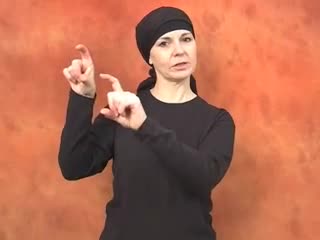
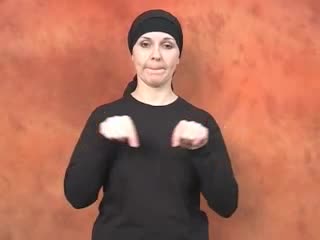
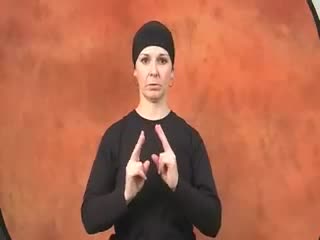
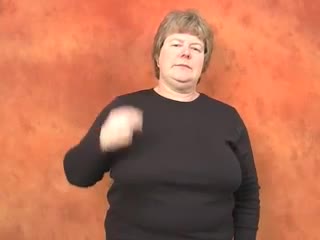
What Is the BSL Sign for "plastics floor covering"?
Imagine you're discussing home renovations or describing a room's interior; you'll definitely need to know the sign for "plastics floor covering." This particular sign in British Sign Language beautifully captures the essence of a flat, resilient material spread across a surface, an indispensable concept for talking about everyday environments. Understanding the BSL sign for plastics floor covering allows you to engage fully in conversations about interior design, maintenance, or simply describing a space, connecting you more deeply with the Deaf community. Knowing this specific British Sign Language plastics floor covering sign empowers you to articulate details about your home or workplace with confidence and precision.
How to Sign "plastics floor covering" in British Sign Language - Step-by-Step
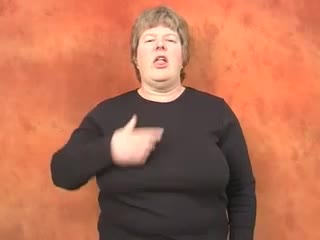
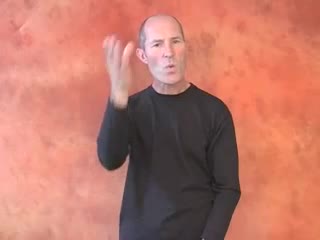
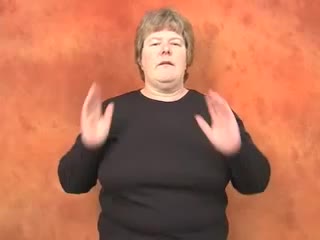
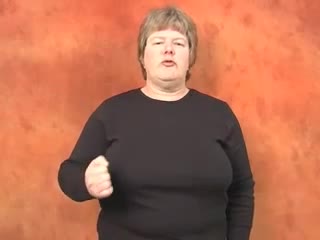
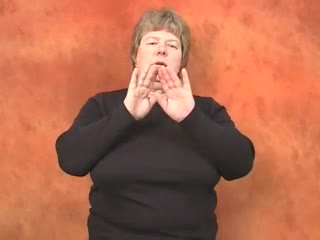
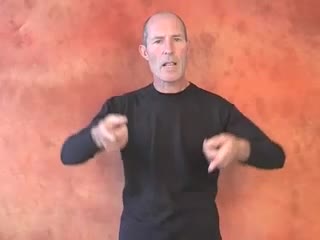
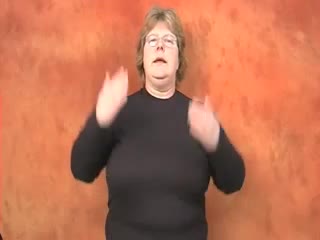
Mastering this sign involves a fluid motion that visually represents the act of laying down a smooth, flexible material on a surface.
Step 1: Handshape
For the dominant hand, you'll want to form a flat handshape: extend all four fingers straight and hold them tightly together, with your thumb tucked neatly alongside your palm. Your non-dominant hand also takes a flat handshape, extending all fingers together, with the thumb touching the side of the palm, but it will be positioned slightly cupped to create a surface.
Step 2: Hand Placement and Location
Position your non-dominant hand in front of your body, around waist height, with the palm facing upwards and your fingers pointing away from you, creating a flat plane that represents the "floor." Now, bring your dominant hand, in its flat handshape with the palm facing downwards, to hover just above the wrist area of your non-dominant hand.
Step 3: Movement
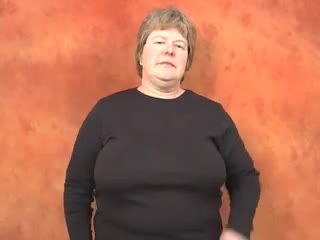
From this starting position, your dominant flat hand will sweep smoothly and deliberately across the surface of your non-dominant hand. Move it horizontally from the wrist towards the fingertips of your non-dominant hand, as if you are unrolling or carefully laying a sheet of material. The movement should be continuous and steady, covering the entire length of the non-dominant hand in one graceful motion.
Step 4: Facial Expression and Mouthing
Maintaining a neutral and attentive facial expression is perfectly suitable for this sign, though you might subtly mouth the words "plastics floor" or "covering" for initial clarity, especially when first introducing the term in a discussion. These non-manual features are often integral to full comprehension in British Sign Language, providing valuable context that complements the manual sign.
Step 5: Palm Orientation
Your dominant hand's palm begins facing slightly downwards and consistently maintains this downward orientation throughout the sweeping motion, effectively portraying the covering action. Meanwhile, the non-dominant hand's palm remains facing upwards, providing a stable visual representation of the surface being covered. This specific palm orientation clearly communicates the direction of the material being laid.
"plastics floor covering" in BSL - Quick Reference Snapshot
- Handshape: Both hands flat, fingers extended and together, thumbs alongside.
- Location: Dominant hand moves over non-dominant hand, held at waist height.
- Movement: Dominant hand sweeps horizontally from non-dominant wrist to fingertips.
- Facial Expression: Generally neutral, with optional mouthing of "plastics floor."
- Dominant Hand: Performs the sweeping action.
- Palm Orientation: Dominant palm down, non-dominant palm up.
5 Memorisation Tricks for the BSL Sign "plastics floor covering"
Here's how to remember the BSL plastics floor covering sign with greater ease:
- Visualise the Action: Picture yourself unrolling a large sheet of vinyl or linoleum across a floor; the sweeping motion of your dominant hand perfectly mimics this, helping you recall the specific movement. It's a highly iconic sign, making that visual connection incredibly strong.
- Engage Muscle Memory: Repeatedly perform the sweeping motion of your dominant flat hand over your non-dominant arm, even when you're not actively signing. This consistent physical practice helps ingrain the movement pattern, making it much easier for your body to recall the correct sign on demand.
- Connect to Meaning: Think about the core meaning of "plastics floor covering" – it's a material that *covers* a *floor*. Your non-dominant hand literally acts as the floor, and your dominant hand performs the action of covering it, forging a direct link between the sign's form and its definition.
- Distinguish from Similar Signs: A lot of people might confuse this with a generic "surface" sign or even "carpet." Remember, this sign specifically shows the *laying* or *spreading* of a *thin, flexible material*, distinguishing it from the fluffier texture implied by the sign for "carpet" which often involves tapping the fingers.
- Daily Life Integration: Whenever you see linoleum, vinyl, or any other type of plastics floor covering in your home, at a shop, or in a public building, mentally (or physically, if appropriate!) practice the sign. This constant reinforcement in relevant contexts strengthens your memory of how to sign plastics floor covering.
Real-Life Situations to Use the BSL Sign for "plastics floor covering"
You'll find many opportunities to employ this practical sign in everyday conversations, making your communication clearer and more dynamic.
- When describing a room, you might sign, "MY KITCHEN, PLASTICS FLOOR COVERING, EASY CLEAN," to convey its practical advantages.
- During a home renovation discussion, you could ask, "NEW BATHROOM, WANT PLASTICS FLOOR COVERING, YOU THINK GOOD?" incorporating a question mark expression.
- If you're expressing a preference, you might state, "THIS HOUSE, LIVING ROOM CARPET, BUT I PREFER PLASTICS FLOOR COVERING," using a contrastive structure common in BSL.
- You could give instructions, "INSTALL PLASTICS FLOOR COVERING HERE, CAREFUL," directing someone spatially with your gaze and the sign's location.
Top 3 Mistakes Learners Make Signing "plastics floor covering" in BSL
Even experienced learners sometimes stumble, but awareness is the first step to correction.
- Incorrect Handshape for the Material: A common error involves using a 'C' handshape or an open '5' handshape instead of the precise flat hand for the dominant hand. This happens because learners might be thinking of "plastic" as a general material or "covering" as a broader action. The correction is to ensure your fingers are held firmly together and extended straight, truly representing a flat sheet, which is crucial for the correct BSL plastics floor covering sign.
- Improper Movement Path: Beginners sometimes execute the sweep either too quickly, in a choppy motion, or in an arc rather than a straight horizontal line across the non-dominant hand. This often stems from a lack of conscious attention to the smooth, continuous action of laying the material. To fix this, practice slowing down the movement, focusing on a deliberate, even sweep from wrist to fingertips of your non-dominant hand, ensuring it looks like you're carefully spreading something.
- Neglecting Non-Dominant Hand Position: Occasionally, a learner might hold their non-dominant hand too close to their body, with the palm angled, or even omit it entirely. This diminishes the sign's iconic clarity, as the non-dominant hand serves as the essential 'floor' surface. Remember to keep your non-dominant hand flat, palm facing upwards, and extended out in front of you, giving your dominant hand a clear and stable surface to sweep over for the British Sign Language plastics floor covering sign.
Fascinating Facts About the BSL Sign for "plastics floor covering"
Delving into the nuances of this sign reveals some truly interesting aspects of BSL's linguistic structure.
- This sign is highly iconic, meaning its form directly resembles the action or object it represents; the sweeping motion over the hand vividly portrays the laying of a flat material.
- While "plastics floor covering" is a modern term, the underlying concept of "covering a surface" has roots in older BSL signs for materials like "linoleum" or "oilcloth," adapting to new terminology.
- Regional variations might influence the exact starting or ending point of the dominant hand's sweep, or even the slight cupping of the non-dominant hand, reflecting local signing preferences within the BSL-using community.
- Its clear visual representation means that even without mouthing, the sign is often easily understood, which is a testament to the effectiveness of BSL's visual grammar.
- The sign efficiently combines two concepts – the material (implied by the flat, smooth action) and the function (covering the floor) – into a single, compact movement, showcasing BSL's capacity for complex idea compression.
"plastics floor covering" in Deaf Culture - Community and Identity
Discussions about home and living spaces are incredibly important within the Deaf community, just as they are in any culture, and knowing how to sign "plastics floor covering" facilitates these personal conversations. Whether it's sharing renovation plans with friends, discussing the practicality of different materials with family, or simply describing the decor of a new flat, this sign connects people through shared experiences of domestic life. It helps to articulate preferences for accessible, easy-to-maintain flooring solutions, which can be particularly relevant for Deaf individuals who might have specific requirements for their living environments. The ability to express these details fluently strengthens bonds and allows for deeper, more meaningful exchanges about personal spaces and preferences within the community.
Example Conversations Using "plastics floor covering" in BSL
Here are some practical sentences showing how you might use this sign in various contexts.
English: We need to replace the old plastics floor covering in the bathroom. - BSL structure: BATHROOM, OLD PLASTICS FLOOR COVERING, WE NEED REPLACE.
English: Is this plastics floor covering durable for a busy kitchen? - BSL structure: THIS PLASTICS FLOOR COVERING, KITCHEN BUSY, DURABLE? (with raised eyebrows for the question).
English: I prefer wooden floors, but plastics floor covering is much easier to clean. - BSL structure: ME PREFER WOOD FLOOR, BUT PLASTICS FLOOR COVERING, CLEAN EASIER.
English: The new nursery will have soft plastics floor covering for the children. - BSL structure: NEW NURSERY, CHILDREN SOFT PLASTICS FLOOR COVERING WILL HAVE.
English: Where can I find a good quality plastics floor covering for our hallway? - BSL structure: HALLWAY, GOOD QUALITY PLASTICS FLOOR COVERING, WHERE FIND? (with question mark expression).
Frequently Asked Questions: The BSL Sign for "plastics floor covering"
Is the BSL sign for "plastics floor covering" the same across all regions of the UK?
While the core elements of the BSL sign for plastics floor covering remain largely consistent throughout the UK, you might encounter minor regional variations in the speed or precise angle of the dominant hand's sweep. These subtle differences usually don't impede understanding, but being aware of them helps you appreciate the rich diversity within British Sign Language.
Are there any similar BSL signs that beginners might confuse with "plastics floor covering"?
New learners sometimes confuse this sign with generic "flat surface" signs or even the BSL sign for "paper" or "sheet," which also involve a flat handshape. The key distinguishing feature for the BSL plastics floor covering sign is its specific movement, sweeping *over* a non-dominant hand representing the floor, indicating a covering action rather than just a flat object.
How difficult is the BSL plastics floor covering sign for a complete beginner?
This sign is generally quite accessible for beginners because it's highly iconic and the movement is relatively straightforward, directly mimicking the action of laying a material. The main challenge often lies in maintaining the correct, consistent handshapes and the smooth, continuous sweep, but with a little practice, you'll master it quickly.
Can children easily learn the British Sign Language plastics floor covering sign?
Absolutely, children often pick up this sign very quickly due to its visual nature and the clear connection between the signing action and the real-world concept of laying flooring. Encouraging them to practice while looking at actual floors in their environment makes the learning process even more engaging and memorable for young learners.
How does the BSL sign for "plastics floor covering" differ from the BSL sign for "carpet" or "wood flooring"?
The BSL sign for plastics floor covering distinctly features a smooth, flat hand sweeping to represent a seamless material. In contrast, the sign for "carpet" typically involves a 'B' handshape tapping against the non-dominant arm or chest, mimicking the texture of fabric, while "wood flooring" often combines the signs for "wood" (often tapping a 'W' handshape against the palm) with a sign for "floor" or "stripes," indicating planks.
Signs That Pair Naturally with "plastics floor covering" in BSL
Building your vocabulary systematically helps immensely, and these signs naturally complement "plastics floor covering."
- FLOOR: Often signed by drawing a flat hand horizontally across the body at waist height, this sign directly relates to the surface being covered.
- ROOM: Typically represented by forming a square or rectangle with both hands, this provides the architectural context where flooring is found.
- INSTALL: This sign, often involving placing a dominant hand onto a non-dominant surface, directly relates to the action of putting down the covering.
- CLEAN: Usually a wiping motion across the palm, it connects to the practical maintenance aspects of plastics floor covering.
- HOUSE: Formed by outlining a house shape, this provides the broader dwelling context for any type of flooring.
- RENOVATE: Often signed as 'change' or 'update' in a structural context, this is a common reason for needing new floor coverings.
Building Fluency: How to Practise "plastics floor covering" in BSL
Developing fluency with the BSL sign for plastics floor covering really comes down to focused, consistent practice. Start by standing in front of a mirror, carefully observing your dominant hand's handshape and the smoothness of its sweep over your non-dominant hand; this visual feedback is incredibly valuable for fine-tuning your movements. Try to integrate the sign into your daily BSL conversations, even if you're just mentally rehearsing sentences about your home or a friend's renovation plans. Filming yourself signing can provide an excellent opportunity for self-correction, allowing you to catch any subtle errors in handshape or movement that you might miss otherwise. Most importantly, seek out opportunities to engage with Deaf individuals or join a local BSL group; there's truly no substitute for practising with a native signer who can offer invaluable feedback and contextual usage. Remember to spaced repetition, practising the sign over several days rather than just once, to solidify it in your memory and move towards effortless signing.