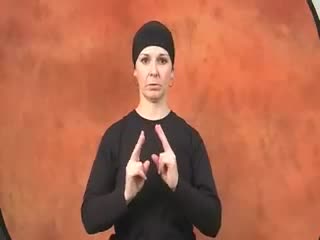
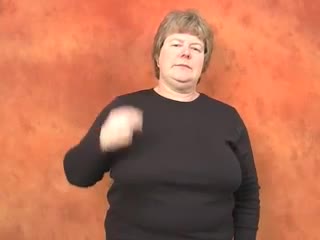
What Is the BSL Sign for "sand"?
Picture yourself walking barefoot along a beautiful coastline, feeling those tiny, gritty particles beneath your toes. That distinct sensation is precisely what the BSL sign for sand aims to capture, bringing the tactile experience of those minute grains to life within British Sign Language communication. Mastering this fundamental sign unlocks a host of descriptive possibilities, allowing you to discuss beaches, deserts, and everything in between with clarity and expression. Knowing how to sign "sand" in BSL effectively bridges a common conversational gap, especially when describing natural environments or holiday plans. You'll find this particular BSL sand sign intuitive and highly memorable, making it a great addition to your growing vocabulary.
How to Sign "sand" in British Sign Language - Step-by-Step
Let's break down the precise actions involved in forming the British Sign Language sand sign, ensuring you capture its essence perfectly.
Step 1: Handshape
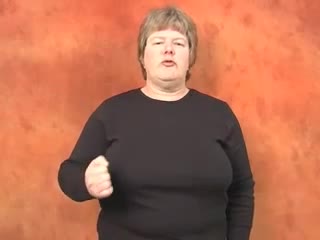
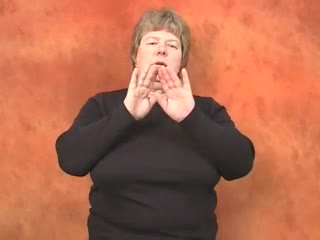
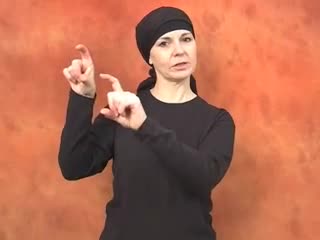
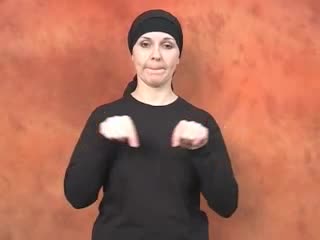
Begin by preparing your dominant hand; this is the hand you write with. Form an open handshape where all five fingers are slightly curved and relaxed, as if you're gently holding a very loose, ephemeral object. Your thumb should be extended, and the tips of your index, middle, ring, and pinky fingers should lightly touch the tip of your thumb. Imagine your fingertips are poised to feel something very fine and granular.
Step 2: Hand Placement and Location
Position your dominant hand in the neutral signing space, which is typically around your chest or upper abdomen area, slightly to your dominant side. There's no contact with your body or non-dominant hand for this particular sign; instead, the action occurs purely within the space in front of you. This allows the movement to be clearly visible and avoids any obstruction.
Step 3: Movement
Once your hand is in position, initiate a delicate, repetitive motion where your fingertips (index through pinky) gently brush and slightly separate from your thumb. This movement isn't a hard rub, but rather a soft, almost "sifting" or "sprinkling" action. Repeat this tiny, controlled rubbing and separating motion two or three times, as if you're demonstrating the individual grains of sand slipping between your fingers. The movement should be small, contained, and fluid.
Step 4: Facial Expression and Mouthing
Maintaining a neutral, relaxed facial expression is generally appropriate when signing "sand," unless the context demands a specific emotional nuance. Crucially, you'll want to mouth the English word "sand" clearly and naturally as you perform the sign. Mouthing, a non-manual feature, provides essential phonetic information in BSL, clarifying the specific English word associated with the sign and preventing potential misunderstandings. It's an integral part of BSL grammar, not just an optional extra.
Step 5: Palm Orientation
Throughout the sign for "sand," your dominant hand's palm should generally face slightly downwards and forward. This orientation naturally facilitates the "sifting" or "sprinkling" motion of your fingertips. The slight downward tilt visually reinforces the idea of something small and granular falling or being manipulated between your digits, contributing significantly to the sign's iconic meaning. Maintaining this orientation helps convey the specific texture and nature of sand.
"sand" in BSL - Quick Reference Snapshot
- Handshape: Dominant hand, open '5' with fingertips lightly touching thumb.
- Location: Neutral signing space, chest height, slightly to dominant side.
- Movement: Fingertips gently rub and separate from thumb, repeated 2-3 times.
- Facial Expression: Neutral, relaxed.
- Dominant Hand: The hand you typically write with.
- Palm Orientation: Slightly downwards and forward.
5 Memorisation Tricks for the BSL Sign "sand"
- Visual Mnemonic: Picture yourself on a beach, gently picking up a handful of sand. As you open your hand, imagine the tiny grains sifting and trickling through your fingers. This visual directly corresponds to the subtle rubbing and separating motion of your fingertips and thumb, making the action feel natural.
- Muscle-Memory Drill: Try closing your eyes and focusing solely on the sensation of your fingertips brushing your thumb. Perform the sign slowly, concentrating on the delicate contact and release, then gradually increase speed. This repetitive, tactile engagement helps embed the movement deeply into your muscle memory, making the sign automatic over time.
- Connection to Meaning: The iconic nature of this sign is its strength; it literally shows sand. Think of how fine sand feels when you rub it between your thumb and fingers; the BSL sign for sand visually replicates that very texture. Connecting the physical action to the sensory experience of sand itself will solidify its meaning for you.
- Common Confusion Tip: Be careful not to make the rubbing motion too vigorous or forceful, as that might mistakenly convey "rub" or "clean." Remember, sand is delicate and granular, so your movement should be light and subtle. Focus on the gentle separation of the fingertips, not a firm pressing or scrubbing action.
- Daily-Life Practice Idea: The next time you see sand-whether in a sandbox, a planter, or a photograph-practise the sign multiple times while mouthing the word. If you're out and about and spot a sandy area, subtly sign "sand" to yourself. Integrating the sign into observations of the real world helps reinforce its context and use.
Real-Life Situations to Use the BSL Sign for "sand"
Understanding the mechanics of a sign is just the beginning; knowing when and how to deploy it in actual conversation makes all the difference. Here are a few ways you might use the BSL sign for sand in everyday interactions:
- When planning a trip: You might sign, "WE GO BEACH, MUCH SAND, YES?" using a raised eyebrow for the question, then pointing spatially to indicate the beach's location if it's already established.
- Describing an environment: Perhaps you're discussing a desert, you could sign, "DESERT, HOT, ALL SAND, WHERE?" Here, "ALL SAND" would be signed emphatically, and "WHERE" would involve a furrowed brow and leaning forward.
- Talking about play: If you're discussing children, you might sign, "CHILDREN PLAY SAND, HAPPY," with a positive facial expression, signing "play" then "sand" to show the activity.
- Warning about something: Imagine advising caution about slippery terrain, you could sign, "BE CAREFUL, THAT ROAD SAND-Y," with a warning expression, modifying "sand" with a 'Y' ending concept to imply "sandy."
Top 3 Mistakes Learners Make Signing "sand" in BSL
Even experienced learners occasionally stumble, but identifying common pitfalls helps you avoid them altogether and refine your signing.
- Overly Vigorous Movement: A frequent error involves making the rubbing motion too firm or broad. Instead of the delicate, sifting action, learners sometimes perform a strong, almost scrubbing movement, which can change the meaning to something like "rub" or "clean." The correction is to soften your touch significantly, focusing on the light, intermittent contact and separation of your fingertips and thumb, truly emulating fine grains.
- Incorrect Handshape: Some beginners might use a closed 'S' handshape (a fist) or an open 'flat hand' without the precise thumb-to-fingertip contact. This alters the iconic representation of the granular texture. To correct this, ensure your dominant hand forms that specific 'open 5' shape, with all four fingertips gently meeting the thumb tip, ready to perform the delicate sifting.
- Forgetting Mouthing: Neglecting to mouth the word "sand" is a common oversight, particularly for new learners. While the sign itself is clear, the accompanying mouthing provides crucial linguistic clarity in BSL, distinguishing it from other signs that might share a similar movement but have a different specific meaning. Always remember to mouth "sand" naturally as you perform the physical sign.
Fascinating Facts About the BSL Sign for "sand"
Every sign has a story, and understanding these deeper layers enriches your learning journey.
- The BSL sign for "sand" is highly iconic, meaning its form directly resembles or acts out the concept it represents. This direct visual link to the physical act of sifting or feeling fine grains makes it one of the more intuitive signs for beginners to grasp.
- While the core handshape and movement are widely consistent across the UK, subtle regional variations in BSL might exist, such as slight differences in the exact degree of finger separation or the number of repetitions. These minor nuances are part of the natural linguistic diversity within the British Deaf community.
- This sign's form is motivated by a tactile experience, capturing the texture and movement of sand itself. It's not arbitrary; it draws on a universal human experience of interacting with this natural element, making it easily understood.
- Unlike some signs which might be derived from fingerspelling or have a direct etymological link to the manual alphabet, the sign for "sand" primarily stands on its own as a distinct, iconically motivated lexical item in BSL.
- The sign exemplifies how BSL efficiently conveys descriptive qualities. By visually representing the "grainy" nature, the sign for "sand" communicates not just the object but also its characteristic texture in a single, fluid motion.
"sand" in Deaf Culture - Community and Identity
The concept of "sand" isn't just about geology or geography within the Deaf community; it often evokes shared experiences and memories, particularly around holidays and gatherings. Many Deaf people will have fond recollections of family trips to the beach, where the tactile experience of sand, even without sound, created vivid sensory memories. Discussions about beaches, holidays, and the joy of children playing in the sand are common and resonate strongly, fostering a sense of shared cultural identity and connection. These conversations often involve rich visual descriptions facilitated by BSL, painting detailed pictures of seaside adventures. The sign becomes a gateway to collective narratives about relaxation, enjoyment, and the simple pleasures of being together, reinforcing community bonds.
Example Conversations Using "sand" in BSL
Here are five practical examples showing how the BSL sign for sand fits into everyday communication.
English: We went to the beach; the sand was lovely and soft. - BSL structure: (Time: PAST) WE GO BEACH, SAND SOFT, NICE.
English: Is there a lot of sand at that park? - BSL structure: PARK THAT, SAND MUCH, QUESTION-MARK (eyebrows raised)?
English: My child loves to play in the sandpit. - BSL structure: MY CHILD LOVE PLAY SAND-PIT.
English: Be careful, the path is covered in loose sand. - BSL structure: CAREFUL, PATH COVER SAND LOOSE.
English: We need to clean all the sand off our shoes. - BSL structure: SHOES OUR, SAND ALL OFF CLEAN MUST.
Frequently Asked Questions: The BSL Sign for "sand"
Is the BSL sign for "sand" the same across all regions of the UK?
While the core movement and handshape for the BSL sign for "sand" are generally consistent and widely understood across the UK, minor regional variations in BSL are a natural part of its linguistic diversity. You might notice subtle differences in the speed of the movement or the exact degree of finger separation, but the fundamental iconic action remains recognisable. It's always a good idea to observe local signers if you have the opportunity.
Are there any similar BSL signs I should avoid confusing with "sand"?
Yes, learners sometimes confuse "sand" with signs for "rub" or "clean" if the movement becomes too forceful or expansive. The key distinction lies in the subtlety and delicacy of "sand's" motion, which specifically mimics fine grains. Ensure your fingertips are lightly brushing and separating, rather than firmly pressing or scrubbing, to maintain clarity and avoid miscommunication.
Is the BSL sign for "sand" suitable for beginner learners?
Absolutely, the BSL sign for "sand" is an excellent sign for beginners! Its highly iconic nature, directly representing the action of sifting or feeling fine particles, makes it very intuitive and easy to remember. It doesn't require complex handshapes or movements, making it a confidence-building sign for those just starting their BSL journey.
Can children easily learn the BSL sign for "sand"?
Children typically pick up the BSL sign for "sand" very quickly because of its direct connection to a tangible, sensory experience they understand. The act of playing with sand is common for kids, and the sign's iconic movement resonates well with their natural curiosity and ability to imitate. It's a fun and easy sign to teach young learners, often leading to excited communication about playgrounds and beaches.
How does the BSL sign for "sand" compare to other sign languages' equivalents?
Comparing the BSL sign for "sand" to signs in other sign languages reveals fascinating linguistic differences. For example, American Sign Language (ASL) uses a different sign, often involving a dominant 'F' handshape (index finger and thumb touching) brushing against the non-dominant palm, again representing fine grains. While the underlying concept of representing granularity is shared, the specific handshapes and movements chosen by different sign languages vary, highlighting their unique developments.
Signs That Pair Naturally with "sand" in BSL
Building vocabulary effectively means learning signs in clusters, understanding how they relate and combine. Here are some signs that naturally complement the BSL sign for "sand."
- BEACH: This sign is a natural companion, as beaches are often defined by their sandy shores. Learning "beach" alongside "sand" helps you describe coastal environments comprehensively.
- SEA/OCEAN: Often found adjacent to sand, these signs allow you to talk about the full maritime landscape. They connect the granular texture of sand to the vastness of water.
- HOT: Deserts are hot and sandy. Learning "hot" expands your ability to describe sandy, arid environments, linking temperature to terrain.
- PLAY: Children frequently "play" in the "sand." This pairing is essential for discussing leisure activities, particularly for families and educators.
- DESERT: For expansive sandy landscapes, "desert" is a crucial sign. It expands your vocabulary to discuss different types of sandy environments beyond just beaches.
- CASTLE: What do you build with sand? Sandcastles! Learning "castle" with "sand" immediately opens up conversations about creative play and holiday fun.
Building Fluency: How to Practise "sand" in BSL
Consistent and varied practice is the secret to true fluency, and the sign for "sand" offers some great opportunities for reinforcement. Start by standing in front of a mirror and meticulously practising the handshape, placement, and movement for "sand," paying close attention to the delicate rubbing action. Film yourself performing the sign on your phone; watching it back provides invaluable feedback, helping you refine your technique and catch any subtle errors. Actively look for opportunities to integrate "sand" into your daily BSL conversations, even if it's just a mental rehearsal when you see a picture or mention the word in English. The best way to solidify your learning is to find a Deaf conversation partner or join a local BSL group; they can offer real-time feedback and contextual practice that's simply irreplaceable. Remember to space out your practice sessions over several days, revisiting the sign regularly, as this spaced repetition technique dramatically improves long-term retention. Keep practising, and you'll soon be signing "sand" with effortless confidence!