What Is the BSL Sign for "approved"?
Unlocking the vocabulary of British Sign Language always brings such a sense of accomplishment, doesn't it? Today, we're diving into a really useful concept: "approved." This essential BSL sign for approved conveys acceptance, permission, or a positive endorsement in your conversations. It’s a beautifully clear sign that helps you express agreement and confirmation, making it a cornerstone for many daily interactions. Learning how to sign approved in BSL will significantly enrich your ability to engage with others, whether you're navigating formal situations or simply confirming plans with friends in British Sign Language.
How to Sign "approved" in British Sign Language - Step-by-Step
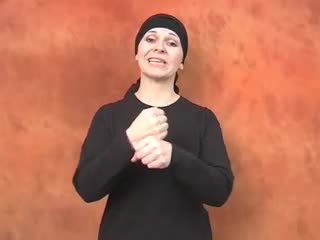
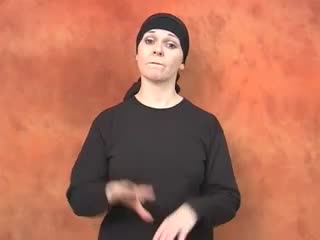
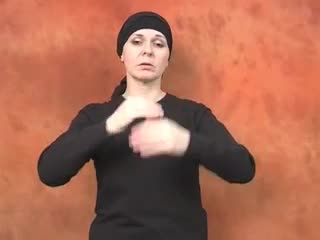
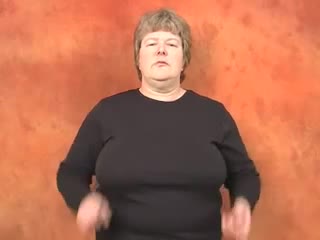
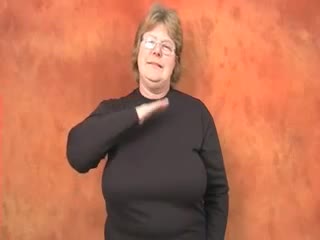
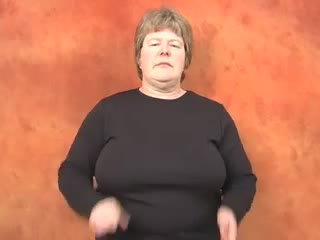
Mastering this sign involves a precise coordination of your hands, movement, and expression, creating a clear visual statement of acceptance.
Step 1: Handshape
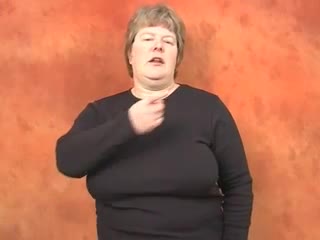
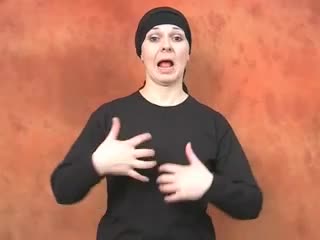
For the BSL sign for "approved," begin by forming an open, flat hand with your dominant hand. Ensure all your fingers are held together and extended straight, while your thumb rests comfortably alongside the index finger or is gently tucked in against the palm. This forms a neat, cohesive unit, ready for its decisive movement.
Step 2: Hand Placement and Location
You'll start with your dominant hand positioned just above the wrist of your non-dominant arm, or slightly in front of your dominant shoulder. Your non-dominant arm can rest comfortably with the palm facing upwards, creating a subtle base or reference point for the initial placement, though the dominant hand doesn't necessarily touch it. Imagine the area directly in front of your dominant upper chest, serving as the starting location for this expressive sign.
Step 3: Movement
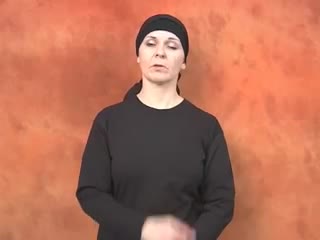
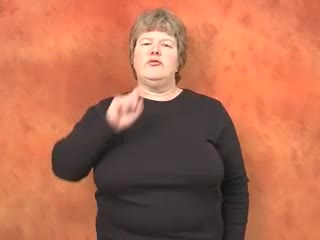
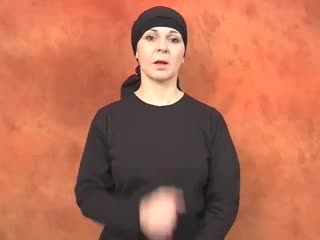
From its starting position, sweep your dominant flat hand forward and slightly upwards in a smooth, confident arc. The motion should be deliberate and firm, as if you're giving a definitive 'go-ahead' or making a clear affirmative statement. This single, outward trajectory signifies the granting of permission or confirmation, culminating in a clear, resolved posture.
Step 4: Facial Expression and Mouthing
Non-manual features are truly integral to BSL, providing crucial grammatical and emotional layers. When signing "approved," you'll naturally accompany the hand movement with a slight nod of your head and a gentle, affirming facial expression, perhaps a small smile or a look of satisfaction. Often, the mouthing of the English word "approved" occurs simultaneously, reinforcing the meaning and aiding comprehension, especially for those new to British Sign Language.
Step 5: Palm Orientation
As you begin the sign for "approved," your dominant hand's palm should face downwards or slightly towards your body, with your fingertips pointing forward. During the upward and outward sweeping motion, the palm subtly shifts to face more forward or slightly upwards, reflecting the open, accepting nature of the approval being conveyed. This subtle rotation enhances the visual clarity and impact of the sign, making its meaning undeniable.
"approved" in BSL - Quick Reference Snapshot
- Handshape: Dominant hand flat, fingers together, extended.
- Location: Starts near dominant shoulder/upper chest.
- Movement: Sweeps forward and slightly upward in a firm arc.
- Facial Expression: Affirmative nod, slight smile, or look of satisfaction.
- Dominant Hand: Active in the movement.
- Palm Orientation: Starts palm down/towards body, shifts to forward/upward.
5 Memorisation Tricks for the BSL Sign "approved"
Learning new signs can feel like a big challenge, but with a few clever tricks, you'll find "approved" sticks in your memory easily. Try these ideas!
- Visual Mnemonic: Picture your flat, open hand as a stamp, officially marking something as 'approved.' Imagine the upward sweep as the stamp coming down, then lifting with the approval granted, leaving a clear positive impression.
- Muscle-Memory Drill: Practice the sign repeatedly in front of a mirror, focusing on the firmness of the sweep. Really concentrate on the sensation of your hand moving decisively forward, as if you're pushing a decision through.
- Connection to Meaning: Think of the sign as physically pushing something forward into acceptance. It's a clear, unhesitating gesture that mirrors the definitive nature of approval itself, propelling an idea or request into reality.
- Common-Confusion Tip: Don't confuse this sign's firm, upward sweep with a simple 'YES' (which often involves a fist moving up and down) or 'PERMIT' (which can be a flat hand tapping the non-dominant palm). The distinct, singular arc of "approved" sets it apart.
- Daily-Life Practice: Each time you see or hear the word "approved" in your daily life – whether it's a planning application, a new recipe, or a friend's idea – pause and perform the sign. Consistently linking the sign to real-world contexts will solidify its place in your BSL vocabulary.
Real-Life Situations to Use the BSL Sign for "approved"
Understanding how to use "approved" within actual conversations helps bring the sign to life. Here are a few scenarios where this sign becomes incredibly useful.
- You might use it when a project proposal gets the green light from a manager: "The new project has been **approved**."
- Imagine asking for permission, then receiving it: "Can I go to the party? Yes, you are **approved**." Here, the sign would often be accompanied by a direct eye gaze, potentially with a question-mark facial expression changing to an affirmative one.
- When discussing official documents or applications, you could sign: "The visa application was finally **approved** yesterday." The sign would be delivered with a sense of relief or confirmation.
- Perhaps you're agreeing with a friend's choice of restaurant: "That restaurant? Yes, definitely **approved**!" In this context, the sign might have a more relaxed, enthusiastic facial expression.
Top 3 Mistakes Learners Make Signing "approved" in BSL
It's completely normal to make a few errors when you're first learning a new sign; that's just part of the journey. Let's look at some common pitfalls with "approved" and how you can easily correct them.
- Incorrect Handshape: Many beginners might use a 'thumbs-up' gesture or a 'V' handshape instead of the correct flat, open hand. This happens because those other gestures also convey positivity in English. The precise correction involves ensuring all fingers remain together and extended, creating a single, flat plane before the movement begins.
- Insufficient Movement: Sometimes, learners perform too small a movement, perhaps just a slight flick of the wrist, which lacks the definitive quality of "approved." The sign requires a clear, confident sweep forward and slightly upward, indicating a complete and decisive action. Ensure your whole arm, from the shoulder, participates in the firm, arcing motion for full clarity.
- Missing Facial Expression: Forgetting the crucial non-manual features is a frequent oversight. Without the accompanying nod or affirmative facial expression, the sign can appear less impactful or even ambiguous. Always remember to pair your physical sign with a clear visual expression of agreement or satisfaction; it truly completes the message in BSL.
Fascinating Facts About the BSL Sign for "approved"
Every sign in British Sign Language carries its own story and unique characteristics. Here are some interesting details about "approved" that you might not know.
- The iconic motivation for "approved" stems from the idea of pushing something forward into acceptance or stamping something with a seal of approval. This visual connection to action makes the sign highly intuitive.
- While the core sign remains consistent, you might observe slight regional variations in the exact starting point or the degree of the upward arc within the diverse BSL-using community across the UK. These subtle differences often reflect local signing styles rather than a change in meaning.
- Its clear, decisive movement highlights BSL's preference for direct communication, conveying a strong sense of finality and authority. There's no ambiguity in the gesture itself.
- Unlike some signs derived from the manual alphabet, "approved" is an independent, iconic sign, meaning its form directly represents its meaning rather than being finger-spelled. This makes it particularly memorable for new learners.
- The strength of the sign's movement can be modulated to convey different intensities of approval, from a gentle nod of acceptance to a very strong, emphatic endorsement, demonstrating BSL's expressive range.
"approved" in Deaf Culture - Community and Identity
The concept of approval resonates deeply within Deaf culture, often reflecting the collective experience of advocacy and validation. Historically, gaining 'approval' for BSL as a recognised language, or for Deaf people's rights, has been a long and ongoing journey, making the sign itself imbued with a sense of achievement and collective voice. When Deaf individuals sign "approved," it can carry the weight of shared understanding and a nod to mutual support within the community. It signifies not just a simple yes, but often a positive affirmation of identity, belonging, and the successful navigation of a hearing-dominated world. This sign, therefore, isn't merely a transactional gesture; it's a powerful statement of acceptance, both individually and collectively, fostering a strong sense of unity.
Example Conversations Using "approved" in BSL
Let's see "approved" in action within some practical BSL sentence structures. Notice how the sign fits into various contexts.
English: My holiday request was approved. - BSL structure: MY HOLIDAY REQUEST APPROVED.
English: Has the manager approved your idea? - BSL structure: MANAGER YOUR IDEA APPROVED? (with questioning facial expression)
English: We've finally approved the budget for next year. - BSL structure: NEXT YEAR BUDGET WE FINALLY APPROVED.
English: She approved of their decision. - BSL structure: THEIR DECISION SHE APPROVED.
English: Is this plan approved by everyone? - BSL structure: THIS PLAN EVERYONE APPROVED? (with general questioning facial expression and eye scan)
Frequently Asked Questions: The BSL Sign for "approved"
Learning any sign often brings up a few common questions. Here are some answers to help clarify things about the BSL sign for "approved."
Does the BSL sign for "approved" have regional variations within the UK?
Yes, like many signs in British Sign Language, "approved" can exhibit minor regional differences, particularly in the exact starting position or the angle of the hand. While the core handshape and outward movement remain consistent, you might notice subtle stylistic variations depending on where in the UK the signer is from. These variations are generally understood across the BSL community and don't typically impede comprehension.
Are there similar signs to "approved" in BSL that I should be careful not to confuse it with?
Absolutely, it's wise to be aware of signs that share similar components but carry distinct meanings. Be cautious not to confuse "approved" with signs like 'YES' (often a fist moving up and down) or 'PERMIT' (which might involve tapping a flat hand on the non-dominant palm). The key differentiator for "approved" lies in its singular, firm, outward-and-upward sweeping motion with the flat hand.
Is the BSL sign for "approved" suitable for beginners to learn?
Indeed, "approved" is an excellent sign for beginners to learn early on in their BSL journey. Its clear, iconic movement makes it relatively easy to grasp, and its utility in everyday conversations is very high. Mastering this sign provides a foundational piece of vocabulary that you'll use frequently, boosting your confidence in signing.
Can children easily learn and use the BSL sign for "approved"?
Children can absolutely learn and effectively use the BSL sign for "approved." Its clear visual nature and straightforward movement make it accessible even for young learners. Encouraging children to use this sign helps them express agreement, seek permission, and engage in basic communication, fostering their early language development in BSL.
How does the BSL sign for "approved" compare conceptually to gestures used in other visual-manual communication systems?
The BSL sign for "approved" relies on a definitive, forward-moving gesture with an open hand, signifying acceptance or a positive decision. While many visual-manual communication systems use an affirmative head nod or a 'thumbs up' gesture, the BSL sign specifically employs a distinct, sweeping hand movement. This action clearly conveys the idea of an official sanction or endorsement, making it a robust and unambiguous concept within BSL's linguistic structure.
Signs That Pair Naturally with "approved" in BSL
Building your vocabulary means understanding how signs connect. These signs often appear alongside "approved" in conversations, making them great to learn together.
- PERMIT: This sign often involves the dominant hand tapping the non-dominant palm. It pairs well with "approved" as both relate to granting permission or allowing something to happen.
- YES: A simple, common sign, typically a fist moving up and down. You'll frequently use "YES" to confirm an approval, making them natural conversational partners.
- PASS: Often involves sweeping the dominant hand across the non-dominant palm, signifying success or moving forward. It connects to "approved" when something successfully passes a review or test.
- ACCEPT: This sign might involve taking something towards oneself. It links to "approved" as acceptance is a core component of approval, indicating something has been taken on board.
- AGREE: Usually shown by two index fingers meeting. Agreement is often a prerequisite for approval, so these two concepts are closely intertwined in conversation.
- DECISION: Often involves a firm movement, perhaps with 'D' handshapes. An approval is frequently the outcome of a decision, making this a relevant sign to learn alongside.
Building Fluency: How to Practise "approved" in BSL
You've got the steps down, but real fluency comes with consistent, mindful practice. Here's how you can truly integrate the BSL sign for "approved" into your repertoire. Start by using a mirror to observe your handshape and movement; ensuring that flat hand and decisive sweep looks just right is key. Try incorporating "approved" into simple daily sentences you create for yourself, perhaps confirming your morning coffee choice or agreeing with a news headline. Recording yourself on your phone is an incredibly effective way to spot any inconsistencies or areas for improvement, letting you refine your technique with an objective eye. Most importantly, seek out opportunities to interact with Deaf people, as authentic conversations provide the best context for natural, responsive signing. Remember to revisit the sign over several days, spacing out your practice sessions to allow your muscle memory to truly solidify. Keep going, and you'll find yourself signing "approved" with confidence and natural ease!