What Is the BSL Sign for "small"?
Imagine a world where gestures speak volumes, where a flick of the wrist conveys an entire concept. That's the power of British Sign Language, and today we're delving into one of its most fundamental yet expressive signs: the BSL sign for small. This isn't just about indicating physical size; it's a versatile sign that helps you describe everything from a tiny creature to a brief moment in time. Mastering the British Sign Language small sign opens up countless possibilities for nuanced communication, allowing you to paint vivid pictures with your hands and expressions. You'll discover how a seemingly simple sign can carry significant weight and meaning within the Deaf community.
How to Sign "small" in British Sign Language - Step-by-Step
Let's break down this essential sign, guiding your hands and body through each precise movement, just as if we were together in a live class.
Step 1: Handshape
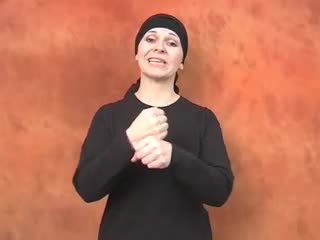
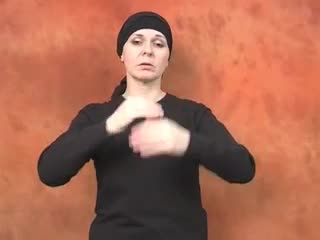
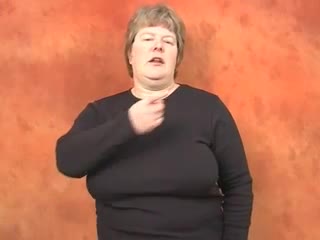
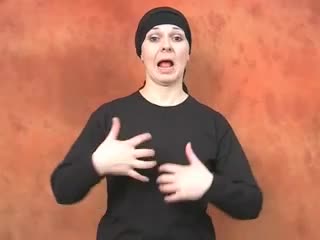
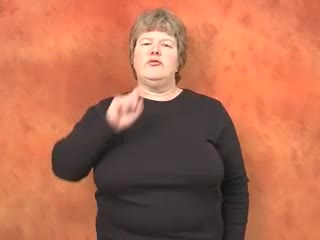
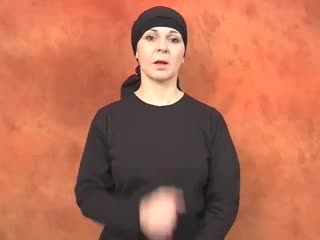
For this sign, you'll start by forming a specific handshape with your dominant hand. Bring your thumb, index finger, and middle finger together, touching their tips to create a small, tight "O" shape. Your ring finger and pinky finger should remain naturally curled into your palm, resting gently. Think of it as if you're holding a tiny, invisible pebble between your three fingertips.
Step 2: Hand Placement and Location
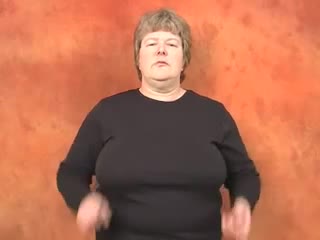
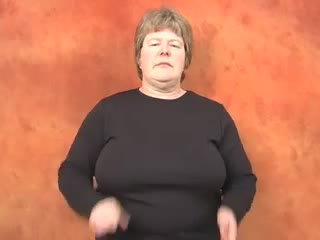
Position your dominant hand, holding that precise "O" shape, just in front of your body, usually at about chest height or slightly lower. There's no need to touch your body; allow your hand to float comfortably in the neutral signing space. This central placement ensures visibility and clarity for your conversation partner.
Step 3: Movement
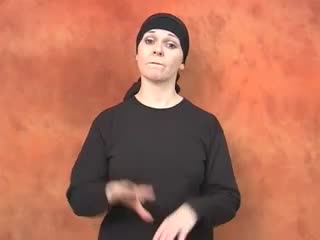
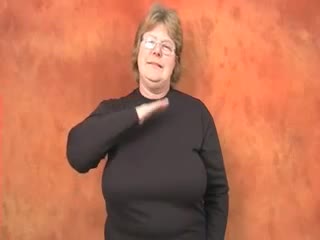
Now, here's the magic for how to sign small in BSL. Keeping your handshape consistent, you'll perform a very subtle, quick, repetitive movement. Gently move your hand downward a very short distance, perhaps an inch or two, then immediately bring it back up to its starting position. You should repeat this small, controlled down-and-up motion two or three times. The movement itself is compact, mirroring the concept of something diminutive.
Step 4: Facial Expression and Mouthing
Non-manual features are absolutely crucial when you learn small BSL. As you perform the hand movement, you'll need to mouth the word "small" clearly and naturally, without voice. Simultaneously, your facial expression should reflect the concept: perhaps a slight puckering of the lips, a narrowing of the eyes, or a general look that conveys diminutiveness. This combination of mouthing and expression adds grammatical and emotional weight to your sign.
Step 5: Palm Orientation
Throughout the sign for "small," your palm should primarily face inwards, towards your body. More specifically, the tips of your thumb, index, and middle fingers, forming that "O," will be directed forward, away from you, as if you're showing someone the tiny object you're holding. This orientation remains consistent, reinforcing the visual representation of something contained and compact.
"small" in BSL - Quick Reference Snapshot
- Handshape: Dominant hand, thumb, index, middle fingers touching to form a tight "O".
- Location: Neutral signing space, typically chest height.
- Movement: Small, quick, repetitive down-and-up motion (2-3 times).
- Facial Expression: Lips subtly puckered, eyes slightly narrowed, conveying diminutiveness.
- Dominant Hand: Used alone.
- Palm Orientation: Tips of "O" facing forward, palm generally inwards.
5 Memorisation Tricks for the BSL Sign "small"
Here are some clever ways to really embed the BSL small sign into your memory, helping it feel natural and effortless.
- Visualise the "Tiny Object": Picture yourself holding something genuinely tiny, like a single grain of rice or a ladybug, between your thumb, index, and middle fingers. This vivid image will help you recall the precise handshape and the delicate, contained movement.
- The "Measuring" Muscle Memory Drill: Stand in front of a mirror and imagine you're physically measuring a very small amount of something with your fingers. Do the down-and-up motion repeatedly, focusing on the subtle, controlled nature of the movement, which builds that crucial muscle memory for the gesture.
- Connect to "Compactness": Think about how the handshape itself is compact, and the movement is constrained to a small space. The entire sign visually represents the idea of "small" through its physical form, making the connection between the sign and its meaning incredibly strong.
- Avoid the "Big Circle" Confusion: A common mistake for new learners is making the "O" shape too large or moving the hand too broadly. Remember, the tighter the "O" and the smaller the movement, the clearer you're signing "small," not "round" or "circular."
- Daily Life "Mini-Reviews": Throughout your day, whenever you encounter something small, pause for a moment and silently sign "small" to yourself. Whether it's a small cup of tea, a tiny button, or a brief interruption, these quick mental connections will reinforce the sign in real-world contexts.
Real-Life Situations to Use the BSL Sign for "small"
Let's consider some practical scenarios where you'd naturally use the BSL sign for small, seeing how it fits into everyday British Sign Language conversations.
- When describing the size of an object: "I have a new *small* car" or "Look at that *small* bird over there."
- To talk about quantities: "Could I have a *small* amount of sugar?" or "There was only a *small* crowd at the event."
- Indicating duration or intensity: "I'll just be a *small* moment" (meaning a brief moment) or "I felt a *small* pain" (meaning a slight pain).
- In questions, perhaps asking about preference: "Do you want a *small* portion or a large one?" the sign would be accompanied by a raised eyebrow and leaning forward, characteristic of BSL question grammar.
Top 3 Mistakes Learners Make Signing "small" in BSL
It's completely normal to make a few errors when you're first learning a new sign; let's tackle the common pitfalls with "small" head-on.
- Overly Large Handshape: Many beginners make the "O" shape too wide with their fingers, sometimes even involving all four fingers. This often leads to confusion with other signs like "round" or can simply look unclear. The correction is to ensure only your thumb, index, and middle fingers are making contact, creating a very tight, compact "O" shape, as if you're pinching something tiny.
- Exaggerated Movement: Another frequent error is performing the downward movement too broadly or too forcefully. A large, sweeping motion detracts from the meaning of diminutiveness. To correct this, focus on a very subtle, controlled, and quick up-and-down motion, keeping it contained to just an inch or two of vertical travel, perfectly matching the concept of something small.
- Neglecting Facial Expression and Mouthing: Sometimes, learners focus solely on the handshape and movement, forgetting the vital non-manual features. Without the appropriate mouthing of "small" and the accompanying facial expression (like slightly puckered lips or narrowed eyes), the sign can lack its full grammatical and emotional impact. Always remember to integrate your facial expression and mouthing directly with the hand movement for complete communication.
Fascinating Facts About the BSL Sign for "small"
Let's uncover some intriguing details about this particular sign that illustrate the depth and richness of British Sign Language.
- The sign for "small" in BSL is highly iconic, meaning its form directly resembles its meaning. The compact handshape and tiny movement visually represent the concept of diminutiveness, making it quite intuitive for new learners.
- While the core handshape and movement are widely understood, you might notice subtle regional variations in the speed or repetition of the movement across different parts of the UK. These minor nuances reflect the natural evolution of sign language within local Deaf communities.
- Its clear iconic motivation means this sign is often one of the earliest signs taught to hearing parents of Deaf children, due to its ease of understanding and direct visual link to the concept.
- The sign for "small" can be modified in BSL to convey different *degrees* of smallness. For instance, a slightly more restrained or even slower movement, combined with a more intense facial expression, can indicate "tiny" or "minuscule," showcasing BSL's grammatical flexibility.
- Interestingly, the handshape used for "small" (the thumb, index, and middle fingers touching) is also a foundational component for many other signs in BSL, often representing precision, holding, or specific numerical concepts, highlighting its versatility.
"small" in Deaf Culture - Community and Identity
Understanding a sign in British Sign Language goes far beyond just its physical form; it's about connecting with the culture it belongs to. The sign for "small" might seem straightforward, yet its ubiquitous presence in everyday conversation underscores the importance of clear, descriptive communication within the Deaf community. In a culture rich with visual storytelling, the ability to precisely articulate size, whether a tiny detail in a narrative or a small amount of something shared amongst friends, is highly valued. The expressiveness that accompanies "small," particularly the non-manual features, is a beautiful example of how BSL users convey layers of meaning, emotion, and emphasis, contributing to a vibrant and deeply connected identity rooted in visual language.
Example Conversations Using "small" in BSL
Let's see "small" in action with some practical sentences, exploring its use in different grammatical contexts within BSL.
English: I bought a small coffee. - BSL structure: Topic-comment order, the object "coffee" often signed first, then "small" follows, describing it.
English: Is your dog small? - BSL structure: Question formation often uses raised eyebrows and a slight forward lean, with "small" accompanying the question about the dog.
English: We need a small amount of sugar. - BSL structure: "Small" describes the quantity of "sugar," often appearing before or immediately after the noun it modifies.
English: The baby's hands are so small. - BSL structure: "Baby" or "baby's hands" would be established first, then "small" is signed, perhaps with an extended, softer facial expression to convey tenderness.
English: I only have a small problem. - BSL structure: "Problem" signed, then "small" indicates its magnitude, often with a subtle head shake to imply it's not a major issue.
Frequently Asked Questions: The BSL Sign for "small"
Is the BSL sign for "small" the same everywhere in the UK?
While the core handshape and movement for "small" are widely recognised across the UK, you might encounter very minor regional variations in the speed or specific emphasis of the movement. These subtle differences are natural linguistic developments within BSL, but the meaning remains universally understood.
Are there other BSL signs that look similar to "small" that I should avoid confusing it with?
Yes, learners sometimes confuse it with signs like "round" (which uses a broader circular motion with a similar handshape) or even "number three" (which holds up three fingers without the 'O' shape). The key distinction for "small" is its tight "O" handshape and the specific, short, repetitive downward movement.
Is "small" an easy sign for BSL beginners to learn?
Absolutely, "small" is considered one of the more straightforward and accessible signs for BSL beginners. Its highly iconic nature, directly representing its meaning, makes it relatively easy to grasp the handshape, movement, and contextual use early in your learning journey.
Can children easily learn and use the BSL sign for "small"?
Children pick up the BSL sign for "small" very quickly, often due to its visual simplicity and direct connection to tangible objects in their world. It's a fantastic sign for young learners to practise describing toys, animals, or even portions of food, making it highly functional for them.
Does the BSL sign for "small" change if I'm talking about something very, very tiny?
Yes, BSL is incredibly expressive. To indicate something "very, very tiny" or "minuscule," you might sign "small" with a more exaggerated facial expression of diminutiveness, perhaps even a slight squint, and the hand movement might become even more precise, perhaps slower, or repeated with greater emphasis. This modification showcases BSL's rich linguistic depth.
Signs That Pair Naturally with "small" in BSL
Building your BSL vocabulary effectively means learning signs in clusters; here are some that naturally complement "small."
- LARGE: The direct opposite of "small," learning these two together helps reinforce the concept of size contrast.
- BIG: Another size descriptor, often used interchangeably with "large" or to add emphasis to "large."
- TINY: A more intense version of "small," which can be signed as a modified "small" or with a distinct sign for emphasis.
- LITTLE: Often used in similar contexts to "small," particularly for quantity or affection, offering a slightly different nuance.
- AMOUNT: Frequently used with "small" when discussing quantities, e.g., "small amount."
- BIT: Similar to "amount," indicating a small piece or portion of something, very common in everyday conversation.
Building Fluency: How to Practise "small" in BSL
Developing fluency in BSL comes through consistent, thoughtful practice, and "small" is a fantastic sign to hone your skills with. Grab a mirror and spend some time watching your handshape and movement; focus on making that 'O' truly compact and the movement precise and contained. Try integrating "small" into your daily BSL conversation practice by consciously describing things around you. Filming yourself signing "small" in various contexts can provide invaluable feedback, allowing you to review your handshape, movement, and crucial facial expressions with a critical eye. When you're ready, finding a Deaf conversation partner and using "small" naturally in your interactions is the best way to gain real-world confidence and refine your signing. Remember, consistent, spaced repetition over several days will help solidify this sign in your long-term memory, making it second nature for you.