What Is the BSL Sign for "soft"?
Picture this: you're reaching out to touch something wonderfully yielding, perhaps a fluffy cloud or a kitten's ear. That exact sensation is beautifully captured within the BSL sign for "soft," a foundational adjective in British Sign Language communication. This particular sign vividly conveys the tactile quality of something that isn't hard, firm, or rough. You'll discover mastering the British Sign Language soft sign opens up a world of descriptive possibilities, allowing you to articulate textures, personalities, and even sound levels with grace and precision. Understanding how to sign soft in BSL truly enriches your expressive vocabulary.
How to Sign "soft" in British Sign Language - Step-by-Step
Learning the motion for "soft" involves a gentle, deliberate action that perfectly mirrors its meaning, making it quite intuitive once you grasp the specifics.
Step 1: Handshape
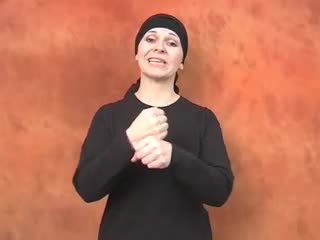
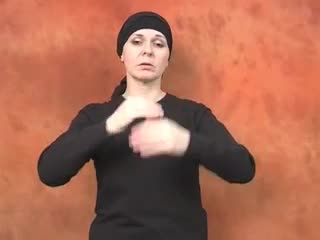
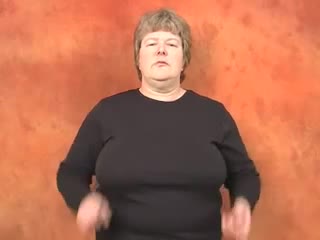
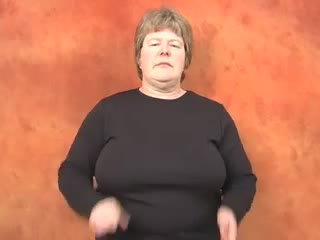
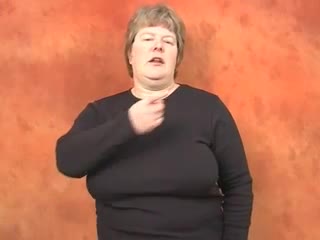
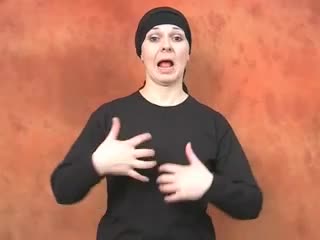
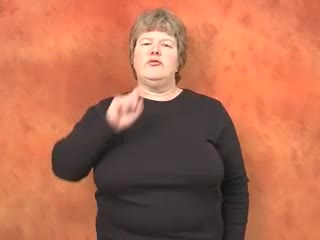
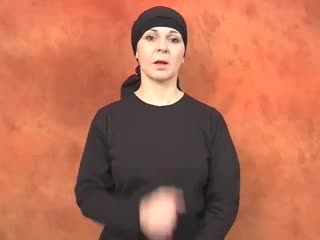
For this sign, your dominant hand forms a specific, relaxed shape. Imagine you're gently cupping a small, delicate object in your palm; your fingers will be slightly bent, not rigidly straight, with your thumb resting lightly alongside the index finger. There's no tension here; it’s a loose, open hand, ready to express a light touch. Meanwhile, your non-dominant hand will remain flat and open, with your palm facing upwards, providing a stable surface for the movement.
Step 2: Hand Placement and Location
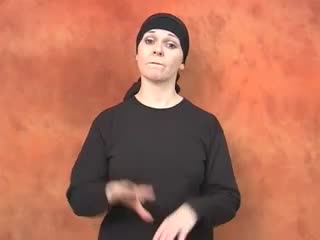
You'll position your dominant hand just above your non-dominant hand. Specifically, your dominant hand's fingertips should lightly rest upon the back of your non-dominant hand, which remains open and relaxed, perhaps slightly angled away from your body. This setup creates the perfect starting point for the tactile action, ensuring the sign is clear and visually distinct in your signing space. The action happens primarily in the neutral space in front of your body, keeping it visible and natural.
Step 3: Movement
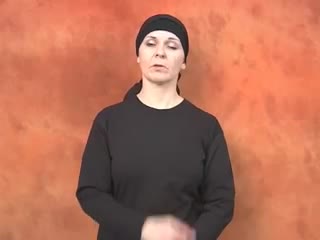
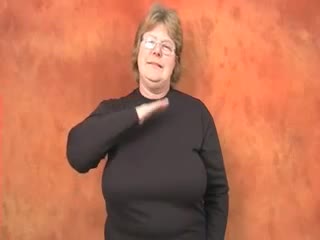
Now comes the essence of the sign: a delicate, downward brushing motion. With your dominant hand maintaining its gentle, slightly cupped shape, you'll lightly sweep its fingertips downwards along the back of your non-dominant hand. This movement is performed slowly and gently, often repeated once or twice to emphasise the quality of softness. There's no force behind it; the motion truly embodies the gentle sensation of touching something incredibly yielding, almost feather-light.
Step 4: Facial Expression and Mouthing
Non-manual features are absolutely vital in BSL, and for "soft," your facial expression should reflect the sensory experience. A relaxed, gentle, perhaps slightly thoughtful expression on your face complements the hand movement beautifully. Many BSL users naturally mouth the English word "soft" simultaneously with the sign; this mouthing provides crucial linguistic information and helps clarify the specific meaning, particularly for homonyms or similar-looking signs. Remember, your face tells as much of the story as your hands do!
Step 5: Palm Orientation
Throughout this sign, the palm of your dominant hand typically faces downwards, or perhaps slightly towards your body, allowing the fingertips to make contact. Conversely, your non-dominant hand’s palm remains facing upwards, presenting a clear surface for the dominant hand's action. This specific palm orientation is crucial because it helps establish the direction of the gentle brushing movement and visually reinforces the concept of a soft, yielding surface being felt.
"soft" in BSL - Quick Reference Snapshot
- Handshape: Dominant hand slightly cupped fingers, non-dominant hand flat and open.
- Location: Dominant hand's fingertips lightly brush the back of the non-dominant hand.
- Movement: Gentle, light downward brushing motion, often repeated.
- Facial Expression: Relaxed, gentle, thoughtful; mouthing "soft."
- Dominant Hand: Performs the active brushing movement.
- Palm Orientation: Dominant palm faces down/slightly in; non-dominant palm faces up.
5 Memorisation Tricks for the BSL Sign "soft"
- Visual Mnemonic: Picture yourself gently stroking the fur of a very fluffy cat or a soft velvet fabric. The handshape you use for the sign, with its slightly bent, relaxed fingers, perfectly mimics that delicate, tactile sensation. Focus on feeling the 'softness' as your dominant hand moves.
- Muscle-Memory Drill: Consciously practice the sign, paying close attention to the lightness of your touch. Don't press hard; let your fingertips barely graze the back of your non-dominant hand. Repeating this delicate movement many times will embed the "soft" feeling directly into your muscle memory, making it second nature.
- Connect to Meaning: Think about the core meaning of "soft" – something yielding, gentle, not rough. The BSL soft sign is beautifully iconic; its physical action directly represents the very quality it describes. When you sign it, actively recall that tactile experience, solidifying the link.
- Common-Confusion Tip: Be mindful not to confuse this sign with "smooth," which often involves a flatter hand sweeping across a surface, or "gentle," which typically has a different handshape and movement pattern. Pay close attention to the specific bent finger handshape for "soft" to avoid these common mix-ups.
- Daily-Life Practice: Integrate "soft" into your everyday observations. Whenever you encounter something truly soft-a cosy blanket, a plush toy, a baby's cheek-sign the word to yourself. This real-world application strengthens the connection between the object, the concept, and the sign.
Real-Life Situations to Use the BSL Sign for "soft"
You'll find the BSL sign for soft incredibly versatile in daily conversations, lending itself to various contexts.
- Imagine you're describing a new piece of furniture to a friend. You might sign, "SOFA, NEW, REALLY SOFT, YOU LIKE?" Here, "soft" qualifies the sofa, emphasising its comfort.
- Perhaps you're at a baby shower and holding a blanket. You could sign, "BLANKET, SO SOFT!" The sign directly expresses your sensory experience, often with an appreciative facial expression.
- When talking about someone's personality, you might say, "HEART, HIS, SOFT," conveying that the person is kind, gentle, or empathetic rather than literally soft to the touch. This shows how the sign can extend beyond physical attributes into more abstract concepts within British Sign Language.
- You could be discussing volume in a performance or conversation. You might sign, "VOICE, YOUR, SOFT," which advises someone to speak more quietly or gently, demonstrating the sign's application to sound qualities.
Top 3 Mistakes Learners Make Signing "soft" in BSL
- Using Too Much Force: Many beginners inadvertently press too hard or move their dominant hand too quickly during the brushing motion. This mistake can alter the meaning, making the sign look more like "rub" or "clean." The correction involves consciously relaxing your hand and ensuring the downward sweep is incredibly light and delicate, truly embodying the word's meaning.
- Incorrect Handshape: Sometimes, learners use a hand that's either too flat, resembling a 'B' handshape, or too clawed and tense. An overly flat hand can make it look like "smooth," while a tense, clawed hand loses the tactile suggestion of yielding softness. The precise correction is to maintain a gently cupped, relaxed handshape, with fingers slightly bent, as if you're holding something fragile.
- Wrong Placement or Direction: A common error involves signing "soft" against the chest, or with the dominant hand sweeping upwards instead of downwards. While regional variations exist, the standard BSL soft sign involves the dominant hand brushing *down* the back of the non-dominant hand. To fix this, always ensure your dominant hand initiates the motion from above and sweeps gently *downward* across the back of the non-dominant hand, maintaining proper spatial grammar.
Fascinating Facts About the BSL Sign for "soft"
- The BSL sign for soft is beautifully iconic, meaning its form directly resembles the concept it represents. The gentle brushing motion is a direct visual and tactile metaphor for the sensation of touching something yielding.
- While the hand-on-hand variant is widely taught, you'll find some regional variations within the BSL-using community. A notable alternative involves the dominant hand gently brushing downwards against the chest, which carries the same meaning but in a slightly different location. This highlights the rich diversity within British Sign Language.
- This sign's form subtly contrasts with its antonym, "HARD," which typically involves a much firmer, more direct impact. Understanding these paired opposites helps illuminate the linguistic motivations behind the sign choices in BSL.
- The nuanced expression of "soft" often extends beyond physical texture. It can metaphorically describe a "soft heart" (meaning kind or gentle), or a "soft sound" (meaning quiet), showcasing its semantic breadth in BSL. This flexibility demonstrates how sign languages convey abstract ideas through concrete imagery.
- Unlike some signs derived from the manual alphabet, the sign for "soft" does not directly relate to a specific letter of the BSL fingerspelling alphabet. Its origin is primarily gestural and iconic, stemming from the physical representation of the quality itself.
"soft" in Deaf Culture - Community and Identity
Within Deaf culture, clear and descriptive communication holds immense value, and signs like "soft" play a crucial role in painting vivid pictures without spoken words. This sign isn't merely about physical texture; it's often employed to describe qualities of character, much like in spoken English. Someone might describe a friend as having a "soft heart," conveying their kindness and empathy, thereby fostering a deeper connection within the community. The ability to articulate nuanced sensations and emotions with precision allows for richer storytelling and more profound shared experiences. It reinforces the cultural emphasis on direct, visual communication, where the feeling behind the word is as important as the word itself.
Example Conversations Using "soft" in BSL
English: Is this pillow very soft? - BSL structure: PILLOW, THIS, SOFT, VERY? (Topic-comment structure, question marked by eyebrow raise and slight forward head tilt.)
English: My new blanket feels incredibly soft. - BSL structure: BLANKET, NEW, MY, FEEL, SOFT, REALLY. (Statement order, "FEEL" can be implied or explicitly signed, "REALLY" emphasizes the quality.)
English: She speaks with a soft voice. - BSL structure: SHE, VOICE, SOFT. (Adjective modifying noun, context implies "speaks".)
English: You need to be soft with the baby. - BSL structure: BABY, YOU, NEED, GENTLE/SOFT. (Instruction, "gentle" or a modified "soft" can be used here to mean careful handling.)
English: He has a soft spot for animals. - BSL structure: HE, ANIMALS, HEART, SOFT, HAVE. (Metaphorical usage, literally "soft heart for animals" conveys affection and compassion.)
Frequently Asked Questions: The BSL Sign for "soft"
Does the BSL sign for "soft" have regional variations?
Yes, while the primary sign described (dominant hand brushing the back of the non-dominant hand) is widely understood and taught, some regional variations do exist within British Sign Language. For instance, you might occasionally see the dominant hand gently brush downwards against the chest to convey the same meaning. These differences are a normal and fascinating aspect of BSL's linguistic landscape.
Are there any similar signs in BSL I should avoid confusing with "soft"?
Absolutely, it's easy to mix up "soft" with signs like "SMOOTH," "GENTLE," or even "WEAK." "SMOOTH" typically uses a flat hand sweeping across a surface, lacking the bent fingers of "soft." "GENTLE" often involves a circular motion or a different handshape, conveying carefulness rather than texture. "WEAK" uses a drooping wrist motion. Pay close attention to the specific handshape and delicate movement of "soft" to differentiate it from these similar concepts.
Is the BSL sign for "soft" suitable for beginners?
Definitely! This sign is very accessible for beginners learning British Sign Language. Its iconic nature means the physical action directly represents the meaning, making it intuitive to grasp and remember. It's a fundamental adjective that will quickly become a valuable part of your early BSL vocabulary.
Can children easily learn and use the BSL sign for "soft"?
Children pick up the sign for "soft" with great ease because it's so tactile and visually engaging. The gentle brushing motion is something they can easily replicate and connect to their sensory experiences, like stroking a pet or touching a favourite toy. It's a wonderful sign for early language development in BSL.
How does the BSL sign for "soft" compare to the sign for "quiet" in BSL?
While both "soft" and "quiet" can refer to low intensity, their BSL signs are distinct. The sign for "soft" focuses on a tactile sensation, whereas "QUIET" (often a flattened O-handshape near the mouth, moving outwards) specifically relates to sound levels or silence. Though they share semantic fields in English, their visual representations in BSL are unique to avoid ambiguity.
Signs That Pair Naturally with "soft" in BSL
- GENTLE: This sign often accompanies "soft" when describing handling something delicate or a person's kind demeanor, linking physical softness with carefulness.
- SMOOTH: While distinct, "smooth" often describes a related tactile quality, and learning it alongside "soft" helps learners differentiate textures more effectively.
- CUSHION: You'll frequently use "soft" to describe the comfort of items like cushions, sofas, or beds, making this a practical pairing.
- BLANKET: Another everyday item commonly described as "soft," pairing these two signs helps build practical conversational vocabulary.
- DELICATE: This sign emphasizes fragility or fineness, a quality often associated with objects that are also soft to the touch.
- FLUFFY: For something like animal fur or a cloud, "fluffy" provides a more specific descriptor of a soft, light texture, enhancing your descriptive range.
Building Fluency: How to Practise "soft" in BSL
To truly embed the BSL sign for "soft" into your active vocabulary, consistent and varied practice is key. Start by using a mirror: watch your dominant hand's shape and ensure your brushing motion is light and unforced, just like you’re feeling for a feather. Then, challenge yourself to integrate "soft" into your daily BSL conversations, even if it's just signing to yourself about the texture of your clothes or the couch. A powerful technique involves filming yourself; reviewing your signs helps you spot any inconsistencies in handshape or movement that you might otherwise miss. Don't forget the immense value of connecting with a Deaf conversation partner, as they can offer invaluable feedback and real-world usage examples. Finally, spaced repetition over several days will solidify this sign in your long-term memory, ensuring you can recall and use it effortlessly whenever you need to describe something wonderfully yielding.